

How to Choose TMT Bars for High-Rise Buildings: Strength, Ductility and Performance
September 8, 2026
September 8, 2026
TMT bars are engineered reinforcement products, but their performance on a construction project depends on more than the manufacturing process alone.
Once reinforcement steel reaches a construction site, it becomes part of a larger workflow involving unloading, storage, identification, cutting, bending, fabrication and installation.
For projects across Gujarat, where construction activity continues through different seasons and project conditions, organised TMT storage can help contractors maintain material quality and improve reinforcement handling.
Whether the project is a residential development in Ahmedabad, an industrial facility in Sanand, a commercial project in Surat or a large infrastructure development elsewhere in Gujarat, the basic principle remains the same: reinforcement should be stored and handled in a way that keeps it organised, accessible and suitable for the intended application.
German TMT combines controlled manufacturing with reinforcement solutions designed for modern construction requirements. But proper site-level storage is an important part of ensuring that the material reaches the reinforcement stage in the condition expected by the project team.
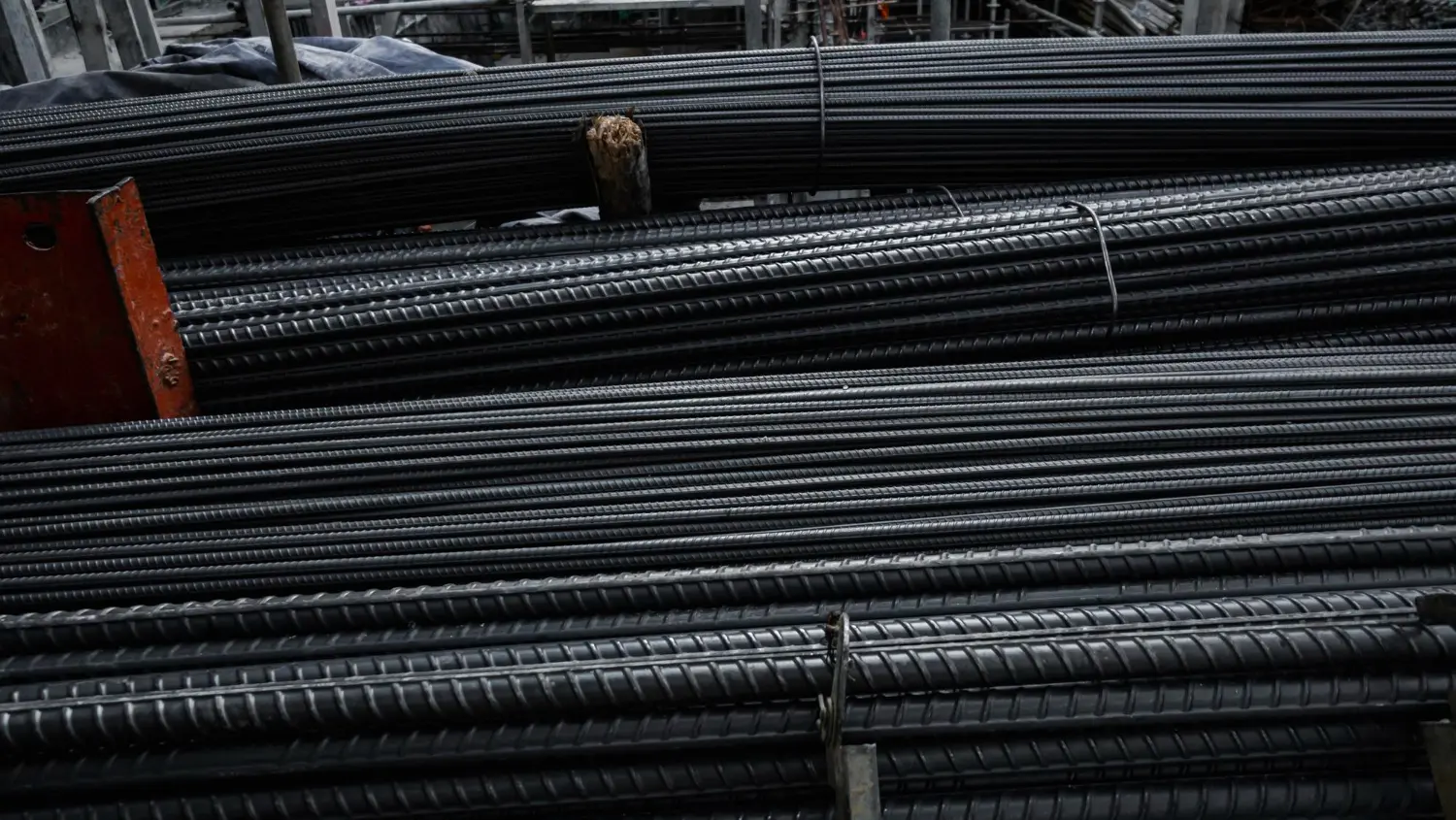
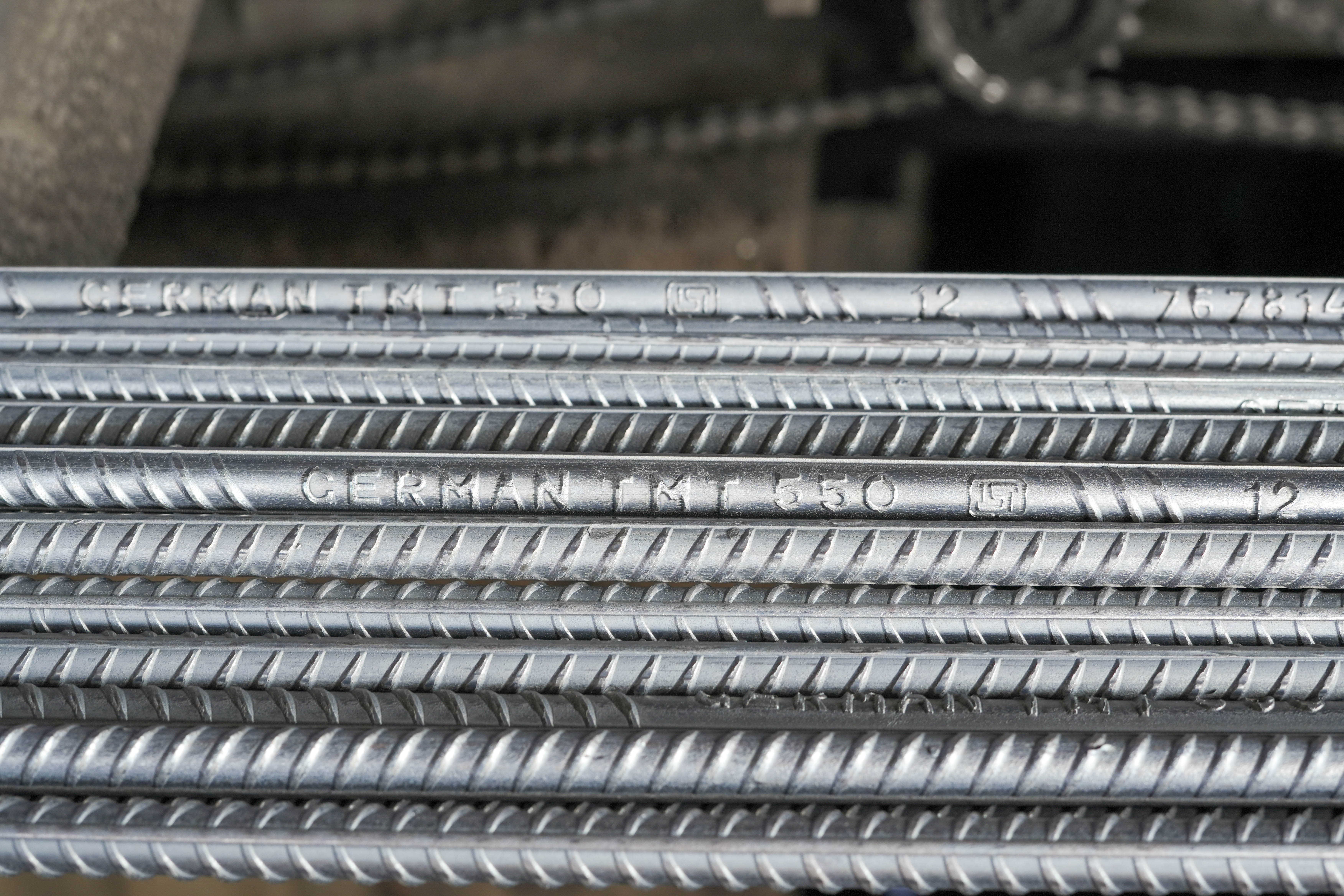
TMT bars are generally supplied in long lengths and in multiple diameters depending on the structural drawings.
A construction project may simultaneously require 8 mm, 10 mm, 12 mm, 16 mm, 20 mm, 25 mm, 32 mm or larger reinforcement, depending on the design.
Without organised storage, identifying and handling these different sizes can become unnecessarily difficult.
Good storage practices help contractors:
These benefits become particularly important on projects consuming large quantities of reinforcement.
German Steel's TMT Bars are manufactured for a wide range of reinforced concrete applications, giving project teams multiple reinforcement options according to structural requirements.
The objective of TMT storage is straightforward: keep reinforcement organised, accessible and protected from avoidable site-related exposure.
A well-planned storage area should ideally provide:
The exact storage arrangement will depend on the project size, available site area and material movement plan.
For large projects, TMT storage should be considered as part of the overall reinforcement planning process rather than as an afterthought.
German Steel has previously explored why reinforcement planning starts long before construction begins, highlighting the importance of coordinating reinforcement requirements with the broader construction schedule.
One of the simplest principles of reinforcement storage is to avoid unnecessary direct contact between the bars and the ground.
TMT bundles can be placed on suitable supports so that they remain separated from standing water, mud and other site materials.
The storage arrangement should allow water to drain away rather than collect around the reinforcement.
This is particularly relevant during Gujarat's monsoon season, when temporary water accumulation can become a site-management consideration.
A raised and organised storage arrangement also makes it easier for workers and equipment to access specific bar sizes when reinforcement fabrication begins.
The location of the reinforcement yard matters.
A suitable storage area should ideally be:
On large construction sites, the storage yard should be planned around material flow.
For example, if TMT bars will subsequently move to a Cut and Bend area, placing the reinforcement inventory near the processing zone can reduce unnecessary movement.
German Steel provides Cut and Bend reinforcement solutions, allowing project teams to incorporate precision reinforcement processing into their construction workflow.
A construction site can contain several TMT bar sizes at the same time.
Mixing them together can make identification unnecessarily difficult.
A more organised approach is to separate reinforcement according to:
Store different bar diameters separately wherever practical.
For example, 10 mm bars should have a clearly identifiable storage location separate from 16 mm or 20 mm bars.
Where multiple grades are being used, they should also be clearly identified.
The project team should be able to determine the grade and diameter of reinforcement without relying solely on visual estimation.
For large projects, material can also be organised around construction phases or structural requirements.
This can make subsequent reinforcement processing and installation more efficient.
Identification is particularly important when large quantities of reinforcement are delivered to a site.
Tags, markings or inventory records can help teams identify:
The exact documentation requirements will depend on the project's quality-control and procurement procedures.
For large construction projects, organised identification can also make material verification easier before reinforcement moves into fabrication.
Gujarat experiences seasonal rainfall, and construction sites may have to manage reinforcement inventory during wet-weather periods.
The objective is not to create unnecessary complexity but to ensure that the storage area remains organised and well drained.
During the monsoon, project teams should pay particular attention to:
A properly planned reinforcement yard makes these tasks easier.
This is especially relevant for projects in Ahmedabad and other rapidly developing parts of Gujarat where construction activity can continue across multiple seasons.
A common question at construction sites is whether every visible change in the appearance of reinforcement indicates a material-quality issue.
The answer depends on the nature and extent of the surface condition and the applicable project specifications.
TMT bars are steel products, and surface exposure can naturally affect their appearance over time. Project quality teams should evaluate reinforcement according to the applicable standards and project requirements rather than relying solely on visual appearance.
For projects where additional corrosion protection is specifically required, specialised reinforcement solutions can be considered.
German Steel's Epoxy Coated TMT Bars provide an additional corrosion-protection option for applications where the project specification calls for coated reinforcement.
German Steel also manufactures CRS Green Steel, providing another specialised reinforcement option within its product portfolio.
The appropriate reinforcement solution should always be selected according to the structural design and environmental requirements of the project.
Epoxy-coated reinforcement requires additional attention because the coating itself forms part of the corrosion-protection system.
Handling and storage should therefore follow the manufacturer's recommendations and project specifications.
Avoiding unnecessary mechanical damage during unloading, stacking and movement is particularly important for coated reinforcement.
For projects considering epoxy-coated reinforcement, German Steel's guide on epoxy-coated TMT bars and their applications in modern construction provides further information about where this type of reinforcement can be used.
TMT storage is closely connected to reinforcement processing.
Before bars are installed into foundations, columns, beams or slabs, they may need to be cut and bent according to reinforcement schedules.
This makes material accessibility important.
If bars are stored in a disorganised manner, workers may spend additional time locating the required diameter or moving unrelated bundles.
A planned storage and processing workflow can therefore improve the transition from:
TMT delivery → storage → identification → cutting and bending → reinforcement fabrication → installation
This is one reason modern construction projects increasingly consider reinforcement processing as part of the overall procurement strategy.
German Steel's article on precision reinforcement processing in modern infrastructure development explores this broader shift in construction practices.
Traditional reinforcement processing often involves cutting and bending bars at the construction site.
Modern projects can also use factory-based Cut and Bend reinforcement.
With this approach, reinforcement can be prepared according to project drawings and delivered in specified shapes and quantities.
This can help reduce the amount of reinforcement processing required at the construction site.
German Steel's Cut and Bend capability can support projects looking for more structured reinforcement preparation.
The benefits can extend beyond fabrication itself, because organised delivery and processing can also influence how reinforcement inventory is stored and managed on site.
The larger the project, the more important organised material management becomes.
An individual residential building may have a relatively simple reinforcement inventory.
A large residential township, industrial project, commercial development or infrastructure project may require:
In these situations, storage becomes part of project logistics.
The objective is to make sure that the right material can be identified and moved to the right processing or construction area when required.
This connects directly with broader questions around supply-chain reliability in modern construction projects.
Good storage practices cannot replace the importance of selecting a capable TMT manufacturer.
The quality of reinforcement begins at the manufacturing stage.
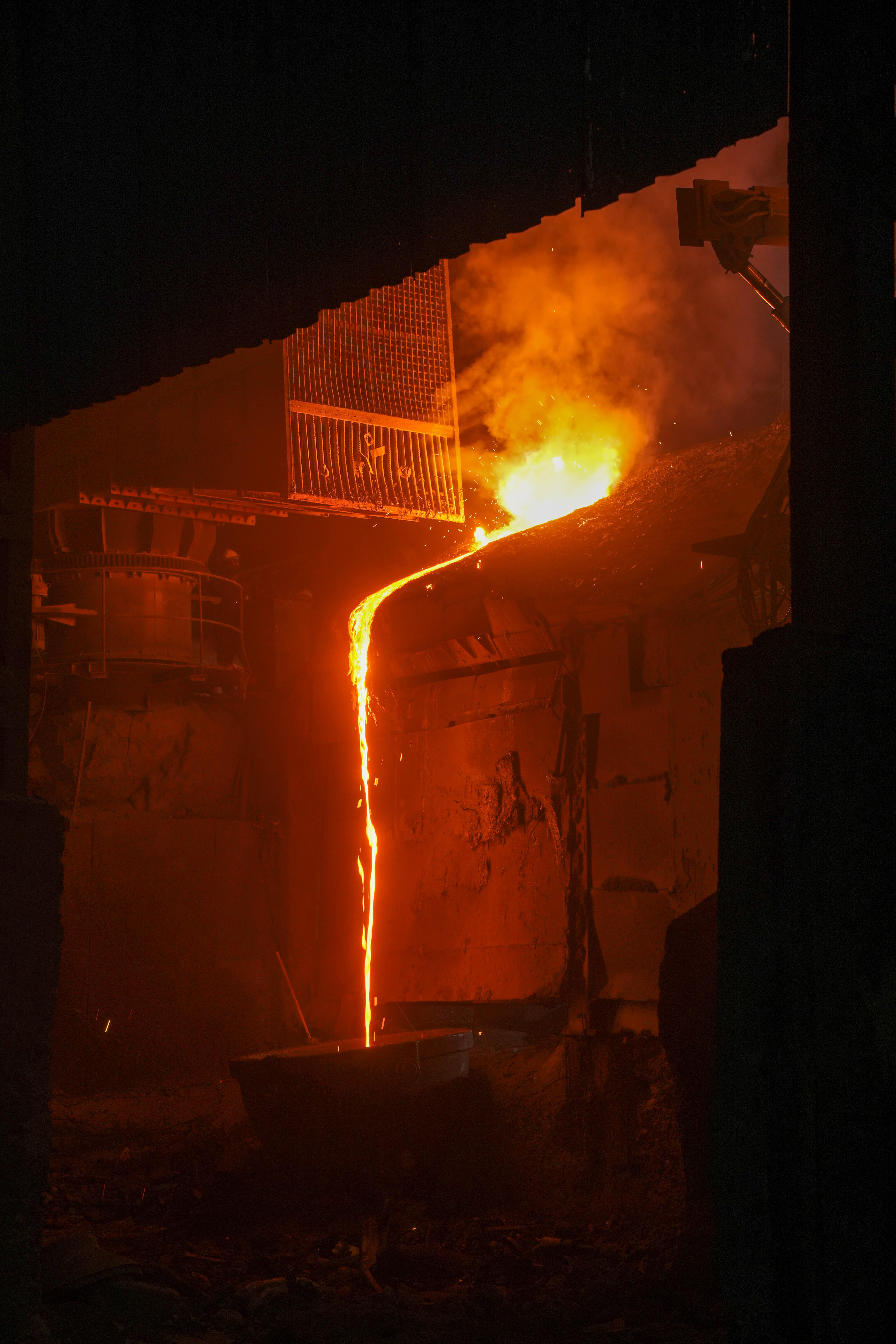
Steelmaking, billet production, rolling and thermo-mechanical treatment all influence the characteristics of the finished product.
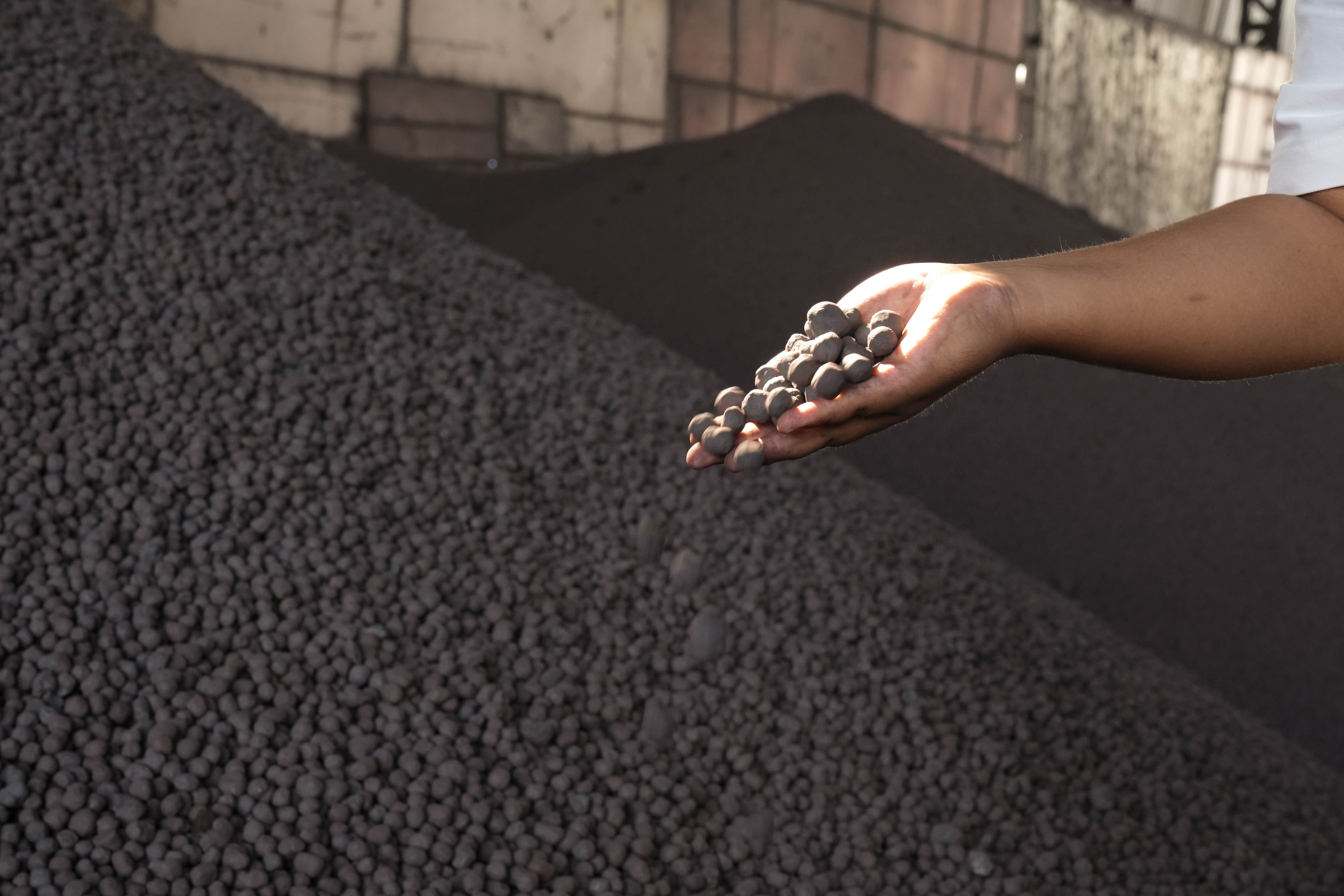
German Steel operates an integrated steel manufacturing ecosystem, with products including TMT reinforcement, billets and sponge iron.
Its MS Billets form part of the broader steel production portfolio.
The company's manufacturing approach is also supported by controlled thermo-mechanical processing and quality systems.
For procurement teams, this means TMT selection should consider both the finished product and the manufacturing capabilities behind it.
German Steel approaches reinforcement as part of a broader construction ecosystem.
Its portfolio includes:
This allows different project requirements to be addressed through a broader steel manufacturing and reinforcement-processing platform.
For construction teams in Gujarat, this combination of manufacturing capability and reinforcement solutions can be particularly relevant when projects require dependable material supply alongside structured processing.
German Steel's manufacturing operations in Gujarat also provide a strong regional foundation for projects across the state's construction and infrastructure markets.
Before storing a TMT delivery at a construction site, project teams can check the following:
Ensure the area is stable, accessible and appropriately drained.
Separate different diameters and grades wherever practical.
Use suitable supports to keep bundles away from standing water and muddy surfaces.
Maintain clear identification of grade, diameter, batch and delivery information.
Keep frequently required reinforcement accessible to the relevant processing or construction area.
Where possible, align storage and delivery sequences with the project's reinforcement requirements.
Follow manufacturer recommendations for epoxy-coated or other specialised reinforcement.
Keep the reinforcement yard clear of debris and unnecessary obstructions.
For factory-processed reinforcement, plan receiving and storage around the project's installation sequence.
Follow the project's inspection and quality-control procedures before reinforcement enters structural work.
TMT storage may appear to be a small part of a construction project, but organised reinforcement management can have a meaningful impact on day-to-day execution.
When material is easy to identify, access and process, reinforcement teams can work more systematically.
This supports better coordination between procurement, stores, reinforcement fabrication and structural execution.
For large projects, these small improvements become increasingly valuable because thousands of tonnes of reinforcement may move through the site over the course of construction.
Gujarat continues to see substantial activity across residential, commercial, industrial and infrastructure development.
For contractors and project teams, this creates an increasing need for reinforcement steel that can be procured, processed and managed efficiently.
German Steel brings together TMT manufacturing, specialised reinforcement solutions and processing capabilities to support these requirements.
From TMT Bars and CRS Green Steel to Epoxy Coated TMT Bars and Cut and Bend, the portfolio provides options for different structural and project requirements.
The manufacturing ecosystem behind these products is equally important. German Steel's approach to integrated steel manufacturing connects multiple stages of steel production and reinforces the importance of manufacturing control in delivering dependable reinforcement products.
Proper TMT storage is a simple but important part of construction material management.
The goal is to keep reinforcement organised, accessible and protected from avoidable site conditions while maintaining clear identification throughout the project.
For contractors, the best approach combines three elements:
Quality TMT manufacturing + organised site storage + efficient reinforcement processing.
When these work together, reinforcement can move more efficiently from the manufacturing plant to the construction site and finally into the structure.
For Gujarat construction projects, German TMT provides a broader reinforcement ecosystem designed to support this journey, from manufactured TMT bars to specialised corrosion-resistant solutions and precision Cut and Bend reinforcement.
TMT bars should ideally be stored in an organised, accessible and well-drained area, separated by diameter and grade and kept away from unnecessary direct contact with the ground.
TMT bars can be stored outdoors when the storage arrangement is properly planned. The area should have suitable drainage and the reinforcement should be organised and supported appropriately according to project requirements.
It is preferable to use suitable supports rather than placing reinforcement directly on the ground, particularly where water, mud or poor drainage could affect the storage area.
During the monsoon, construction teams should pay particular attention to drainage, water accumulation, accessibility, material identification and the condition of the storage area.
Different diameters should ideally be separated and clearly identified so that reinforcement teams can quickly locate the required material.
Epoxy-coated TMT bars should be handled and stored according to the manufacturer's recommendations and project specifications, with particular attention to preventing unnecessary damage to the coating.
Yes. Organised storage can make reinforcement easier to identify, move, cut, bend and install, particularly on projects involving multiple diameters and large quantities of steel.
Factory-based Cut and Bend reinforcement can help organise reinforcement according to project requirements and construction sequences, potentially reducing the amount of on-site cutting and bending activity.
German TMT combines TMT manufacturing with specialised reinforcement products and Cut and Bend processing capabilities, providing construction teams with a broader steel and reinforcement solution for different project requirements.
[ Where we share insights, updates, and stories that matter in the world of construction and beyond. ]
Learn how to select TMT bars for high-rise buildings based on strength, ductility, bendability, bonding, corrosion resistance and project requirements.
Discover why consistent TMT bar quality matters for large construction projects and how controlled manufacturing, quality checks and reliable reinforcement support project performance.

.jpg)


.webp)