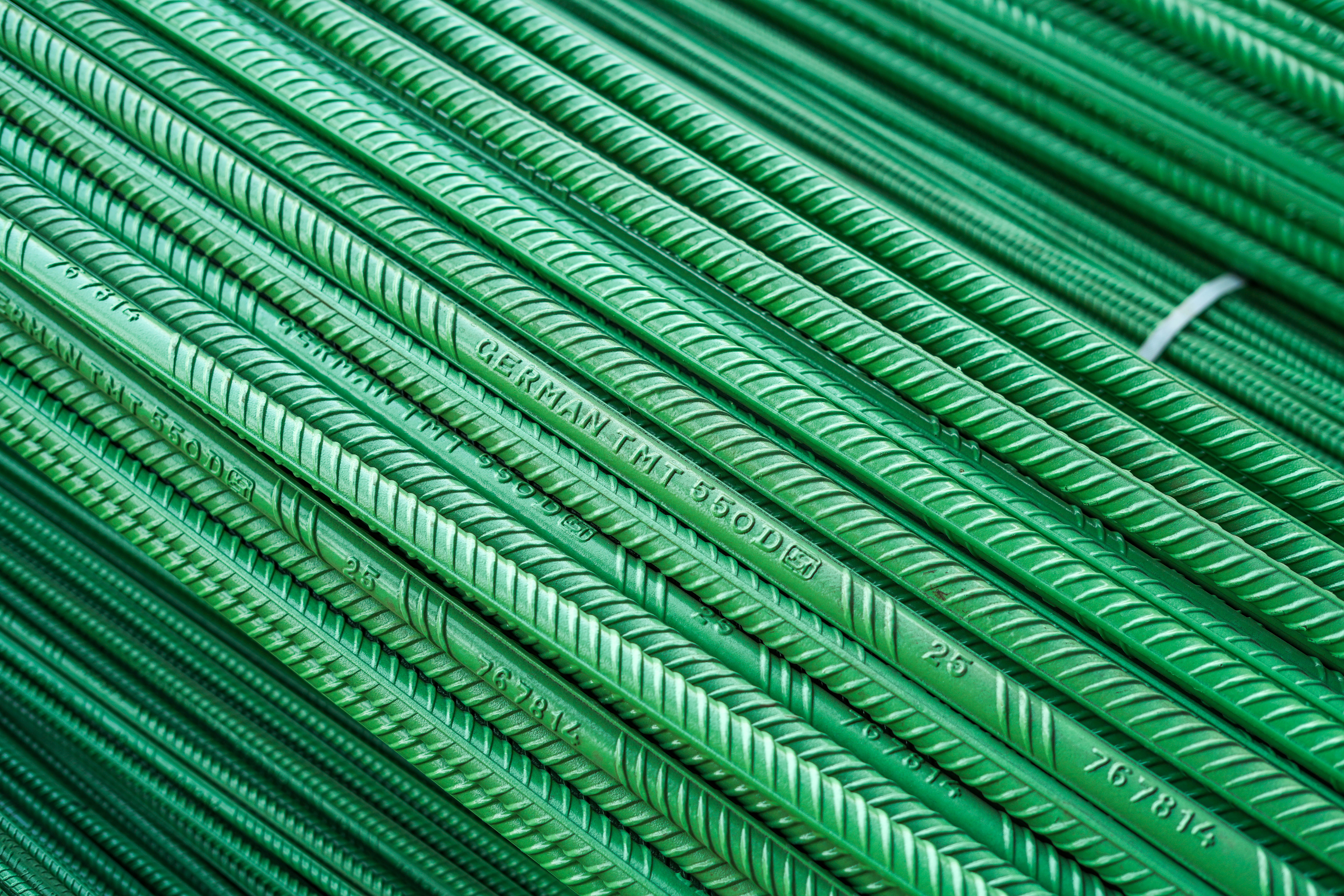
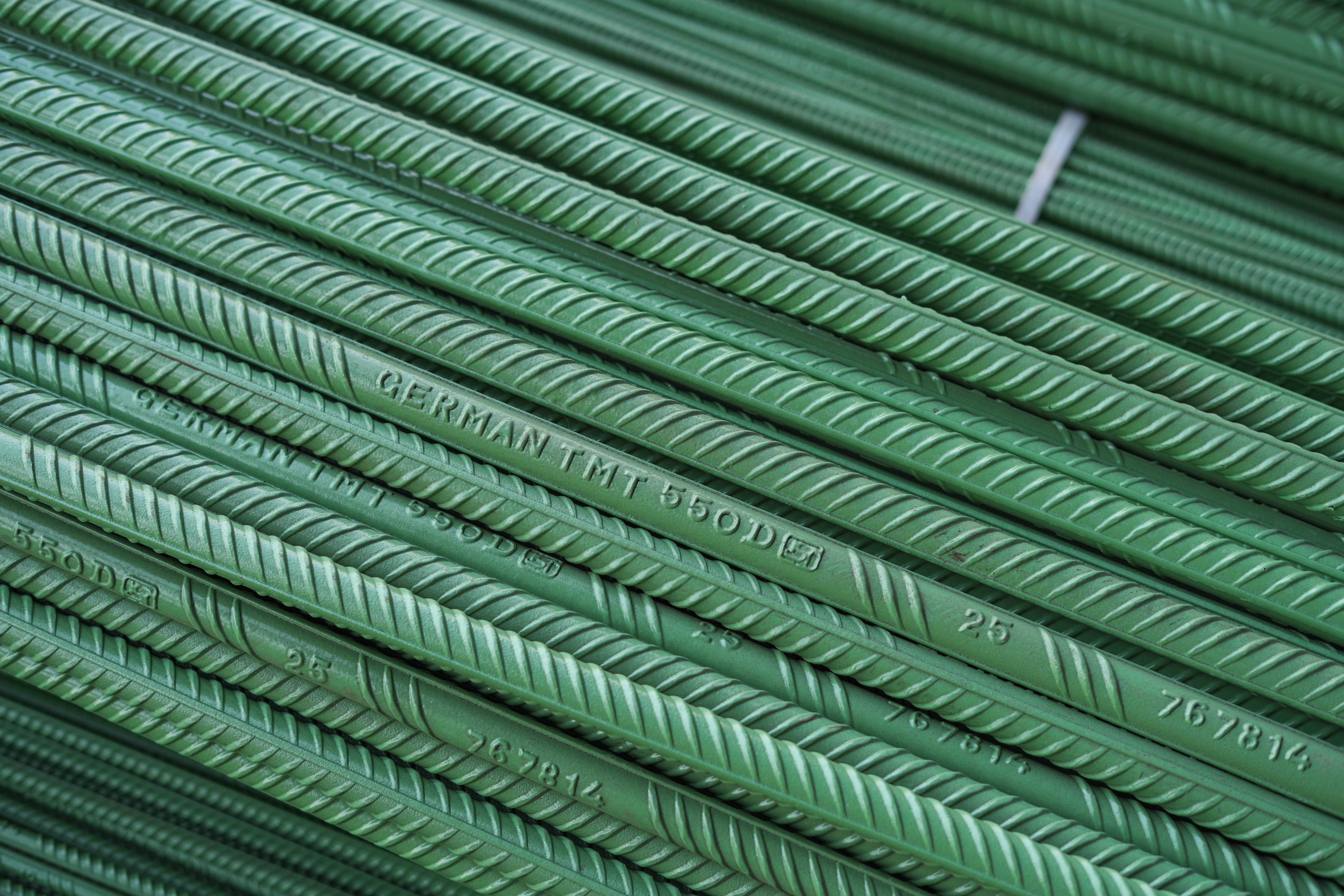
About Epoxy Coating:
Fusion Bonded Epoxy (FBE) coating, commonly known as epoxy coating, is a proven method to protect TMT bars from corrosion and damage. In this process, dry epoxy powder is applied electrostatically to cleaned hot TMT bars, forming a protective film that bonds strongly with the steel surface. This coating acts as a barrier, preventing chloride ions, chemicals, and moisture from reaching the steel, ensuring long-lasting strength for all types of structures.
The Epoxy Coating Process at German TMT
Surface Preparation : Bars are thoroughly cleaned to remove grease, rust, and scales using advanced shot blasting, resulting in a clean, rough surface for better coating adhesion.
Pre-Heating : Bars are heated using high-frequency induction to an optimal temperature range of 225°C to 245°C, preparing the surface for epoxy application.
Epoxy Powder Application : Using electrostatic spray guns, epoxy powder is evenly applied on the hot TMT bars. The charged particles instantly bond and melt into the steel surface, forming a uniform protective layer.
Curing & Cooling : The coated bars undergo thermal treatment for complete curing, followed by water cooling. This ensures a strong, uniform coating that resists damage during handling and fabrication.
The Epoxy Coating Process at German TMT

Bars are thoroughly cleaned to remove grease, rust, and scales using advanced shot blasting, resulting in a clean, rough surface for better coating adhesion.
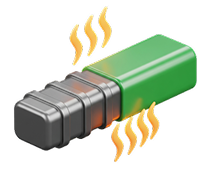
Bars are heated using high-frequency induction to an optimal temperature range of 225°C to 245°C, preparing the surface for epoxy application.
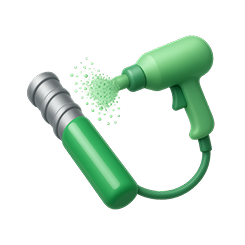
Using electrostatic spray guns, epoxy powder is evenly applied on the hot TMT bars. The charged particles instantly bond and melt into the steel surface, forming a uniform protective layer.
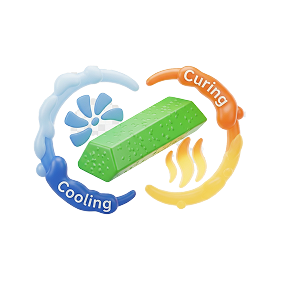
The coated bars undergo thermal treatment for complete curing, followed by water cooling. This ensures a strong, uniform coating that resists damage during handling and fabrication.
Rigorous Testing At German TMT

Ensures coating durability in aggressive environments.

Bars are bent to 120° around a mandrel to confirm coating strength.

Validates integrity under electrical and electrochemical stress.

Simulates corrosive coastal conditions to check longevity.
Coating tested for durability against mechanical wear.
Falling weight test checks resistance to physical damage.
.svg)



.jpg)