

How to Store TMT Bars at Construction Sites in Gujarat: A Practical Guide
September 8, 2026
July 16, 2026
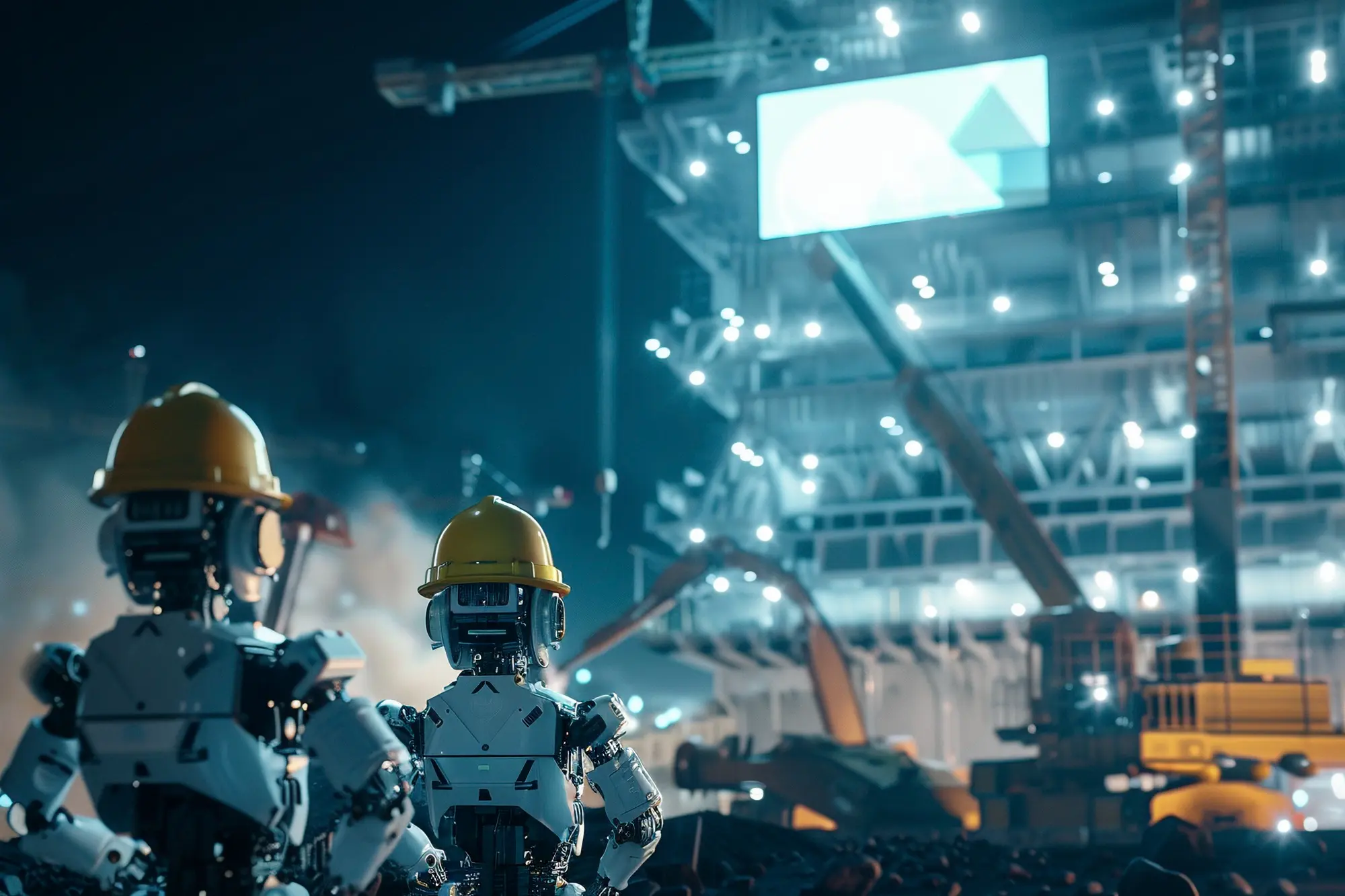
India's steel industry is preparing for its next phase of growth—not just by expanding production capacity, but by embracing digital transformation.
During the Chintan Shivir 2026 on Digitalisation in the Steel Sector, organised by the Ministry of Steel, the Government of India highlighted Artificial Intelligence (AI), Machine Learning (ML), Industrial Internet of Things (IIoT), Digital Twins, Robotics, and Advanced Data Analytics as technologies that will play a significant role in strengthening the country's steel sector.
The initiative reflects India's broader vision of building a smarter, more efficient, and globally competitive manufacturing ecosystem while supporting its long-term steel production goals.
India continues to be one of the world's fastest-growing steel producers, driven by investments in highways, metro rail, renewable energy, industrial corridors, warehousing, commercial construction, and housing.
However, as production volumes increase, manufacturers must also improve:
According to the Press Information Bureau's official announcement, digital technologies are expected to help manufacturers improve operational excellence while supporting the industry's future competitiveness.
Artificial Intelligence is no longer limited to software companies—it is steadily finding practical applications in heavy industries, including steel manufacturing.
Globally, manufacturers are exploring AI for:
Rather than replacing engineers, AI helps analyse production data, identify trends, and support faster decision-making across manufacturing operations.
We explored one of these applications in our article "How AI Is Revolutionising Quality Control in Modern Steel Manufacturing," where we discussed how computer vision is changing steel inspection.
The Government's roadmap extends beyond AI alone.
The discussions also focused on Industry 4.0 technologies such as Industrial IoT, Digital Twins, robotics, and advanced analytics to improve plant efficiency, workplace safety, equipment utilisation, and operational visibility. The Ministry also showcased practical case studies and encouraged greater collaboration between public sector companies, technology providers, startups, and academia to accelerate digital adoption across the steel value chain. Learn more in the official PIB press release.
One of the key themes of the Government's roadmap is the connection between digitalisation and sustainability.
Better monitoring systems can help manufacturers optimise energy consumption, reduce equipment downtime, improve resource utilisation, and support lower operating costs.
These efforts complement broader initiatives such as the Green Steel Initiative, which encourages cleaner and more sustainable steel manufacturing across India.
For developers, contractors, EPC companies, and infrastructure projects, digital transformation could translate into:
As India's construction sector becomes increasingly demanding, manufacturers that invest in technology and operational excellence will be better positioned to support complex projects.
As the steel industry evolves, German Steel continues to strengthen its manufacturing ecosystem through continuous investment in quality, sustainability, and operational excellence.
Operating from manufacturing facilities in Kutch and Samakhiyali, Gujarat, German Steel manufactures TMT Bars, CRS Green Steel, Epoxy Coated TMT Bars, and provides advanced Cut & Bend Solutions for infrastructure, commercial, industrial, and residential projects.
The company also continues to invest in renewable energy, Waste Heat Recovery Systems (WHRS), responsible water management, and modern manufacturing infrastructure—reflecting many of the priorities driving the future of India's steel industry.
As discussed in our previous blogs on "How AI Is Revolutionising Quality Control in Modern Steel Manufacturing" and "How Predictive Maintenance Can Reduce Downtime in Steel Plants," digital technologies are expected to complement engineering expertise rather than replace it, helping manufacturers improve quality, efficiency, and long-term reliability.
The Government's latest roadmap makes one thing clear: the future of India's steel industry will be shaped by both manufacturing strength and technological innovation.
Artificial Intelligence, automation, Industry 4.0, and smart manufacturing are expected to become increasingly important in helping steel producers improve quality, optimise resources, and remain globally competitive.
For manufacturers like German Steel, this reinforces the importance of continuous improvement, responsible manufacturing, and investing in solutions that meet the evolving needs of India's infrastructure and construction sectors.
According to the Ministry of Steel and the Press Information Bureau, technologies such as AI, Machine Learning, Industrial IoT, Robotics, and Digital Twins can improve productivity, operational efficiency, sustainability, and global competitiveness.
No. AI is expected to support engineers through better data analysis, predictive insights, and process optimisation while engineering expertise continues to play a critical role.
Potential applications include quality inspection, predictive maintenance, production planning, energy optimisation, computer vision, and supply chain analytics.
German Steel manufactures TMT Bars, CRS Green Steel, Epoxy Coated TMT Bars, and offers Cut & Bend Solutions for modern construction and infrastructure projects.
[ Where we share insights, updates, and stories that matter in the world of construction and beyond. ]
Learn how to store TMT bars correctly at construction sites in Gujarat. Explore practical TMT storage, handling and reinforcement management practices for contractors.

Learn how to select TMT bars for high-rise buildings based on strength, ductility, bendability, bonding, corrosion resistance and project requirements.

.jpg)


.webp)