

How to Store TMT Bars at Construction Sites in Gujarat: A Practical Guide
September 8, 2026
June 11, 2026
Steel plays a fundamental role in modern construction. Delays in supply, inconsistent quality, or manufacturing limitations can impact project schedules, budgets, and operational efficiency.
As projects become larger and more complex, procurement teams are placing greater emphasis on evaluating manufacturing capabilities rather than focusing solely on material costs.
The objective is not simply purchasing steel but securing a reliable supply partner capable of supporting project execution.
One of the first considerations during supplier evaluation is manufacturing infrastructure.
A manufacturer's production facilities often provide insight into its ability to maintain consistency, scale operations, and meet project requirements.
Procurement teams typically evaluate:
Integrated manufacturing facilities often provide additional advantages because multiple stages of production can be monitored and controlled within the same ecosystem.
Learn more about German Steel's manufacturing journey and its integrated approach to steel production.
Quality assurance remains one of the most important factors in steel procurement.
Procurement teams frequently assess:
Consistent production processes help ensure that finished products perform according to engineering specifications and project requirements.
Products such as MS Billets and Sponge Iron play an important role in supporting overall product quality throughout the manufacturing process.
Construction projects operate within strict timelines.
As a result, procurement teams carefully evaluate a manufacturer's ability to maintain reliable supply schedules and support project continuity.
Important considerations include:
Reliable supply can help reduce project disruptions and improve execution efficiency.
Large projects often require multiple steel products and processing services.
Working with manufacturers that offer broader capabilities can simplify procurement and coordination efforts.
Examples include:
Having access to multiple solutions through a single manufacturing partner can help improve project planning and operational efficiency.
Sustainability is becoming an increasingly important factor in procurement decisions.
Developers, infrastructure projects, and industrial facilities are placing greater emphasis on responsible sourcing and environmentally conscious manufacturing practices.
Factors often evaluated include:
Initiatives such as German Green Steel reflect the growing role of sustainability within modern steel manufacturing.
Beyond manufacturing capacity, procurement teams also evaluate technical expertise and industry experience.
Manufacturers with extensive experience can often provide valuable support related to:
This collaborative approach can help improve decision-making throughout the procurement process.
While pricing remains an important consideration, procurement teams increasingly recognize that total project value extends beyond the initial purchase cost.
Factors such as:
often have a greater impact on overall project outcomes than short-term cost differences.
Evaluating a steel manufacturing partner requires a comprehensive assessment of manufacturing capabilities, quality assurance systems, supply reliability, technical expertise, and sustainability initiatives.
For large construction projects, selecting the right manufacturing partner can contribute significantly to project efficiency, quality control, and long-term success.
As construction requirements continue to evolve, procurement teams are increasingly prioritizing manufacturers that demonstrate operational strength, integrated capabilities, and a commitment to continuous improvement.
Procurement teams typically evaluate manufacturing infrastructure, quality assurance systems, supply reliability, technical expertise, and sustainability initiatives.
Manufacturing capacity helps determine whether a supplier can consistently support project timelines and volume requirements.
Integrated manufacturing helps improve quality control, production planning, and supply reliability across multiple stages of production.
Reliable supply helps reduce project delays, maintain schedules, and improve overall project efficiency.
Yes. Many projects now consider environmental responsibility and sustainable manufacturing practices as part of supplier evaluation.
[ Where we share insights, updates, and stories that matter in the world of construction and beyond. ]
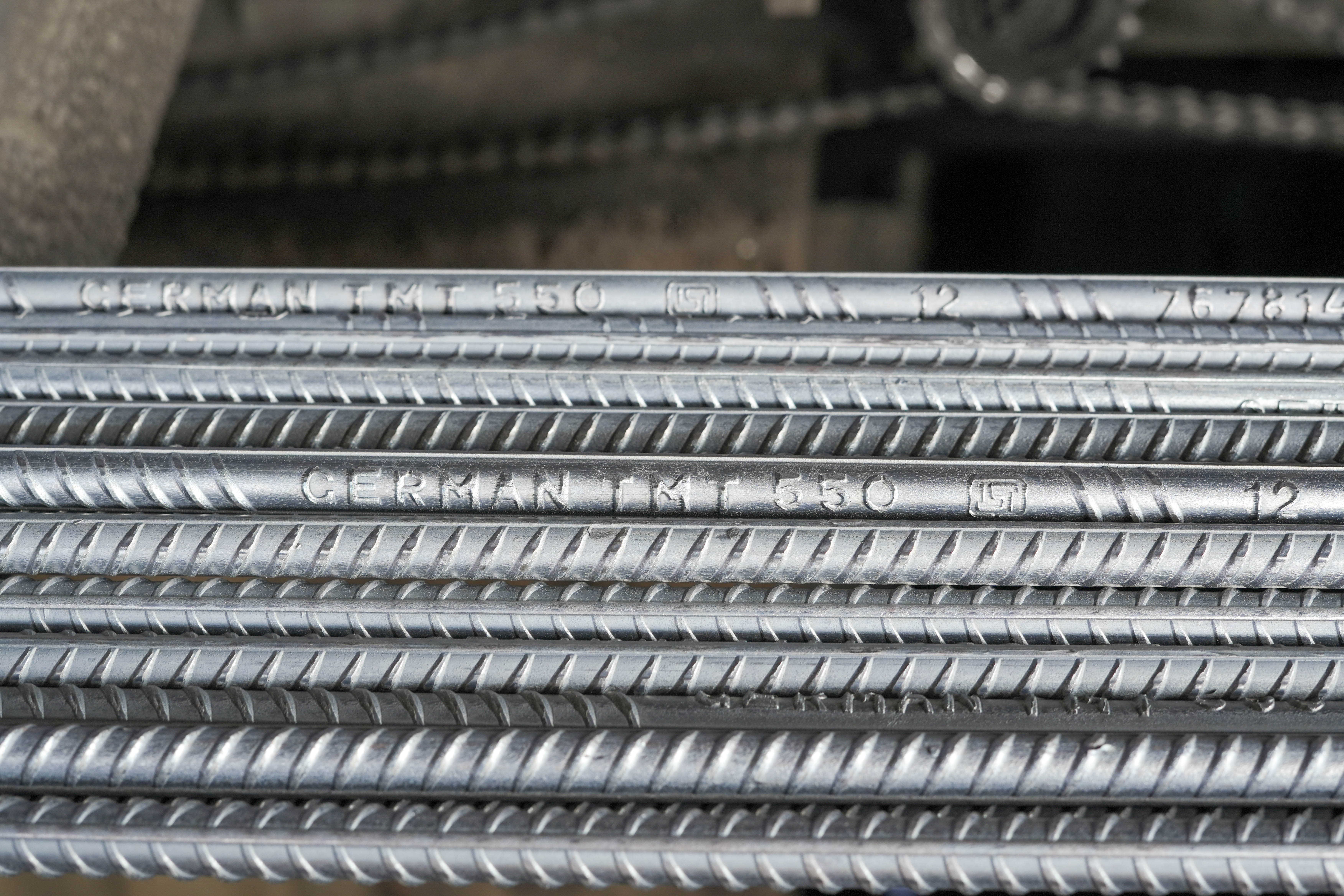
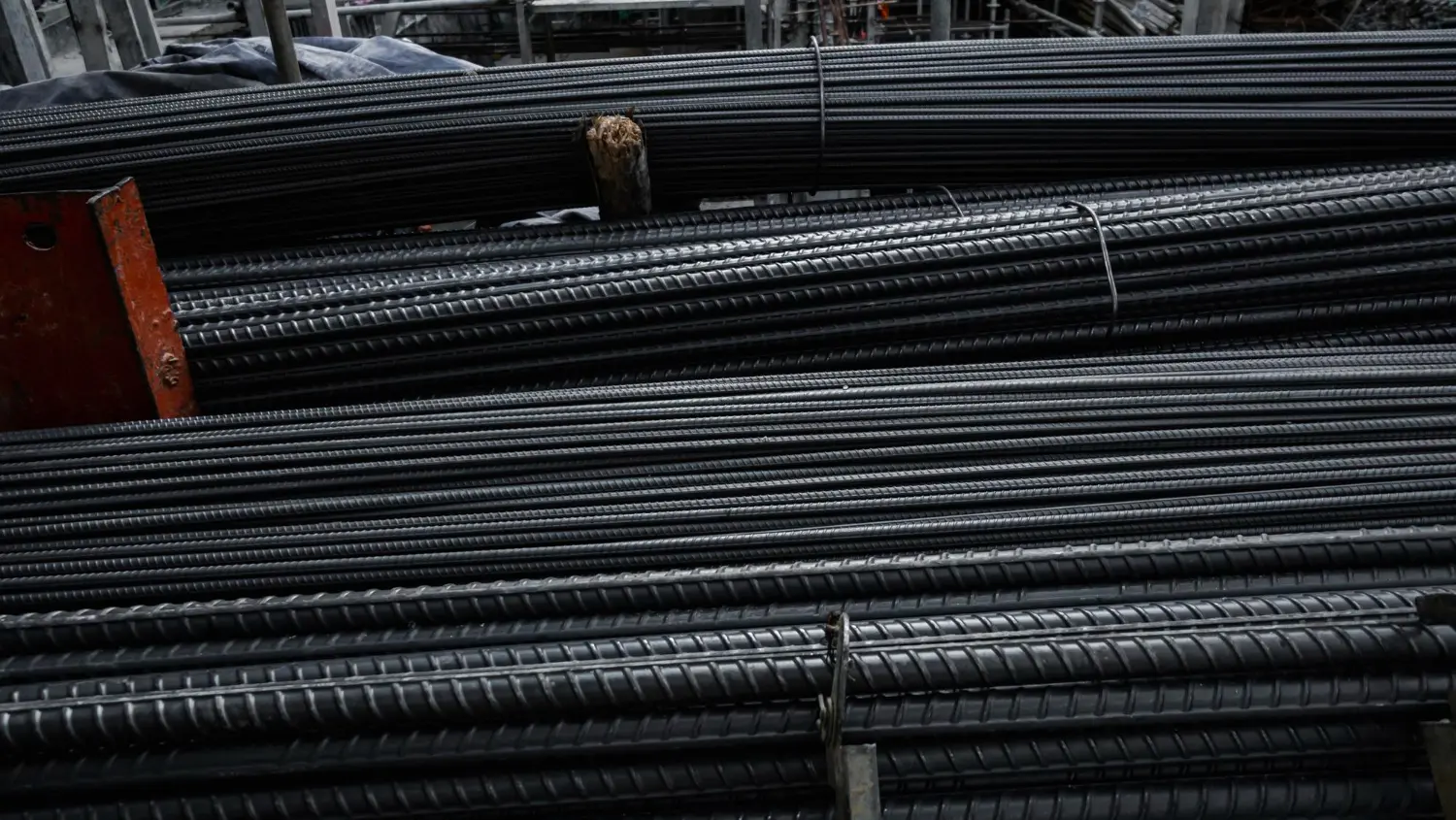
Learn how to store TMT bars correctly at construction sites in Gujarat. Explore practical TMT storage, handling and reinforcement management practices for contractors.

Learn how to select TMT bars for high-rise buildings based on strength, ductility, bendability, bonding, corrosion resistance and project requirements.


.jpg)


.webp)