
Why Corrosion Protection Matters in Long-Term Infrastructure Projects
June 11, 2026
June 11, 2026
The growing demand for infrastructure and construction materials requires manufacturing systems capable of supporting large-scale project requirements.
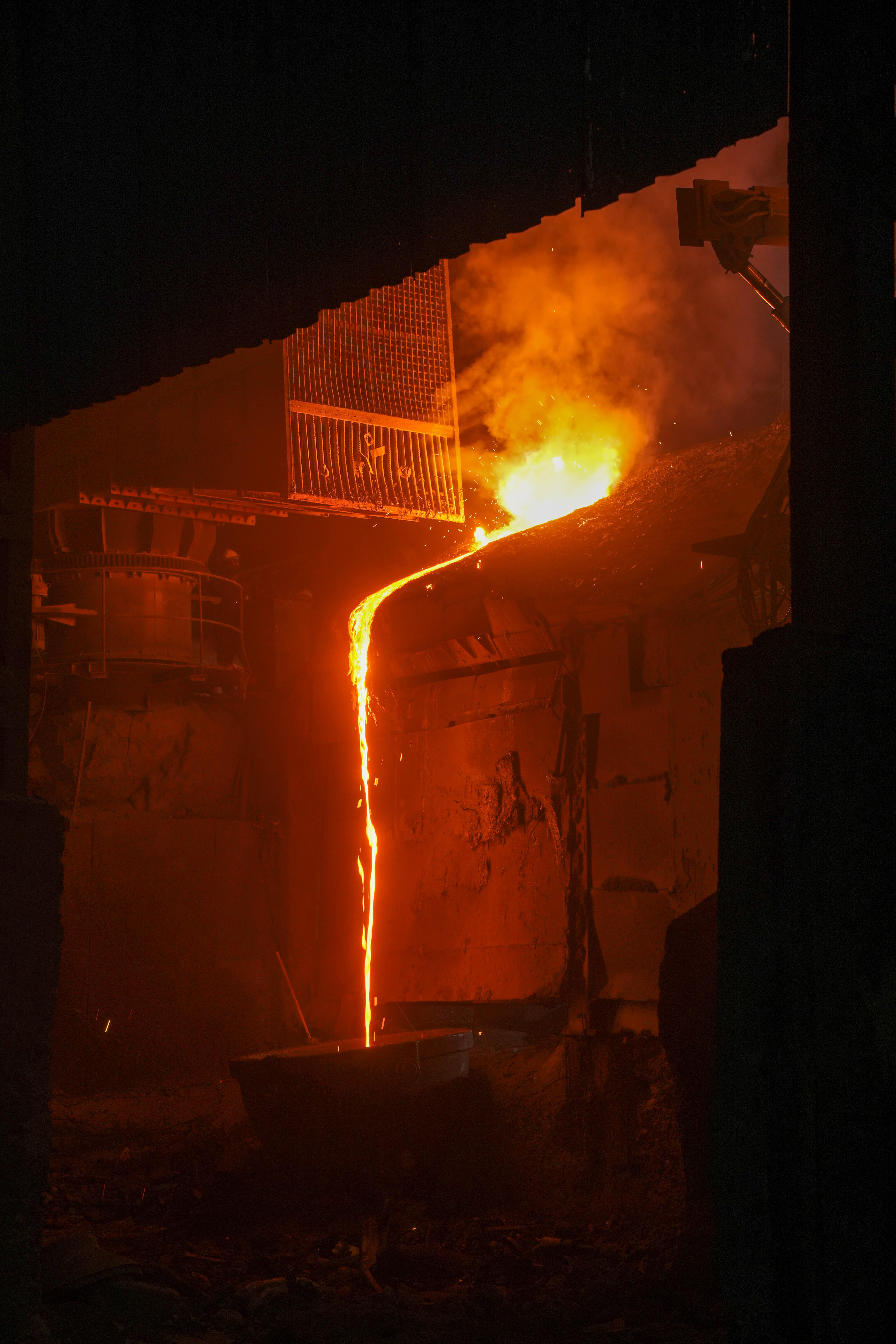
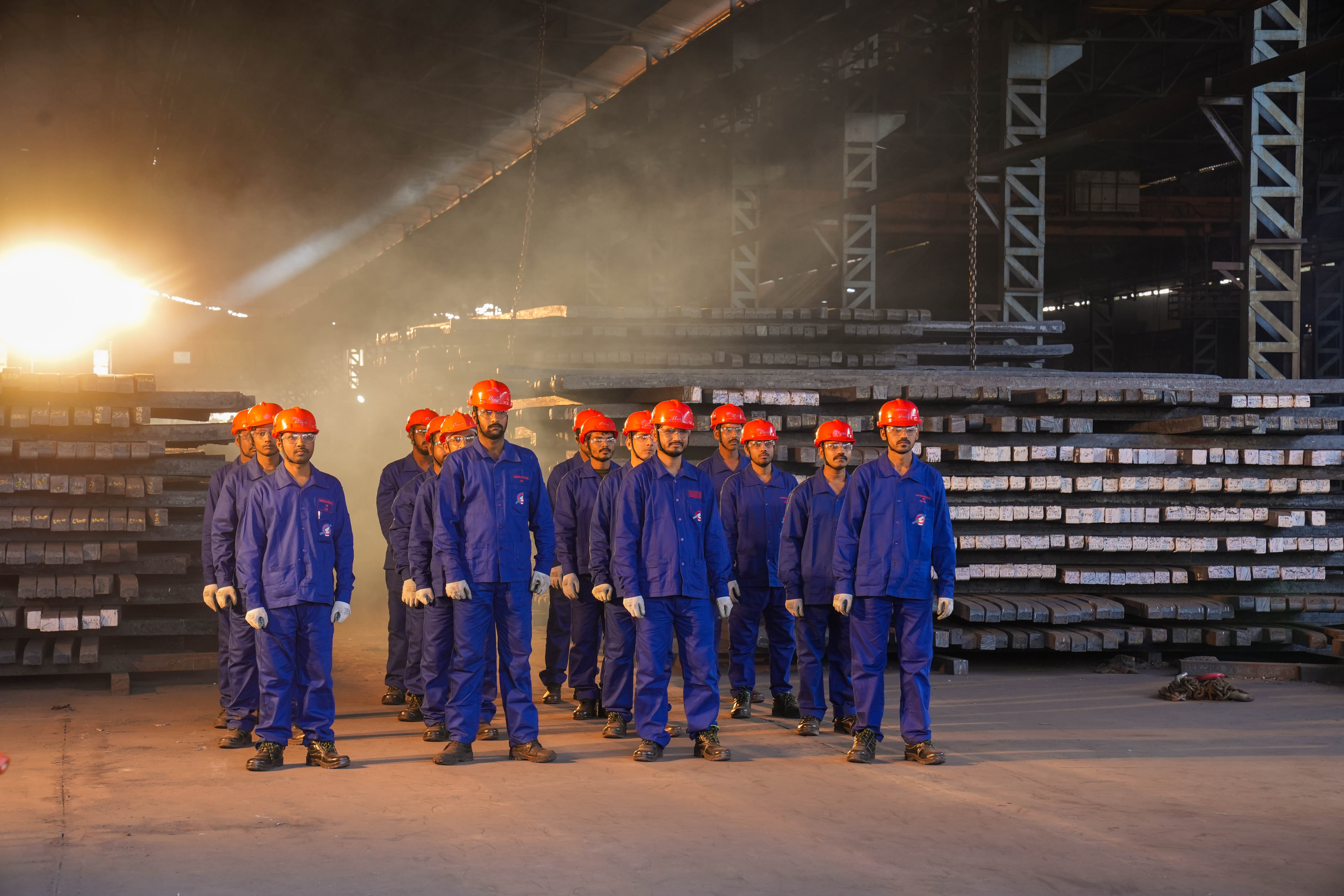
German Green Steel and Power Limited operates manufacturing facilities in Gujarat with an installed production capacity of:
These integrated operations help support the production of reinforcement products used across residential, commercial, industrial, and infrastructure applications.
As construction activity continues to expand across India, manufacturing scale plays an important role in supporting material availability and project continuity.
One of the most significant challenges facing reinforced concrete structures is corrosion.
Exposure to moisture, chemicals, industrial pollutants, and coastal environments can impact reinforcement over time, influencing maintenance requirements and lifecycle costs.
This is why many projects increasingly evaluate corrosion-resistant reinforcement solutions during the design and procurement stages.
Products such as CRS Green Steel are designed to support applications where durability and corrosion resistance are important considerations.
For long-term infrastructure projects, corrosion management often becomes a key factor in material selection.
Modern construction requires reinforcement products capable of balancing multiple performance requirements.
Key considerations often include:
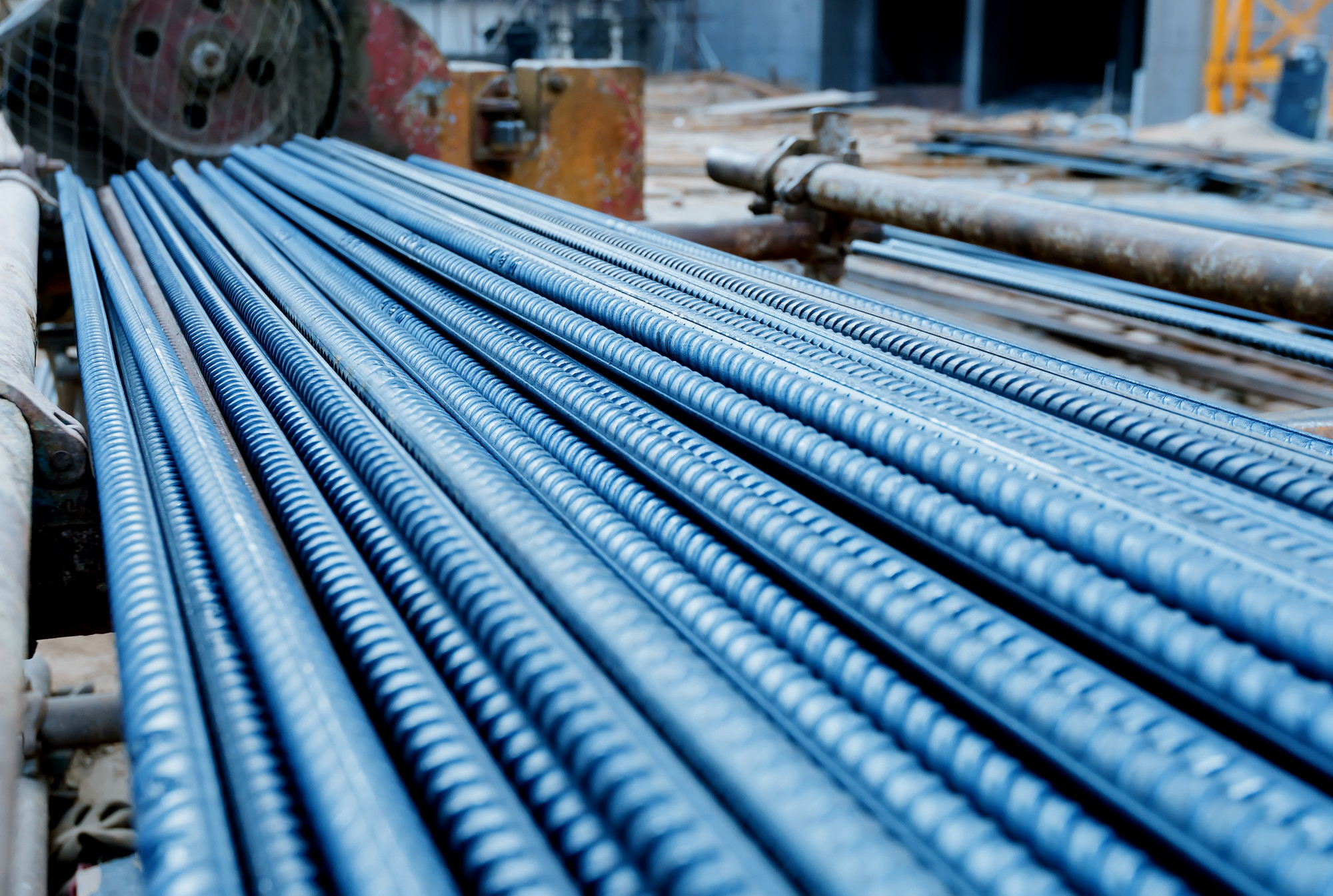
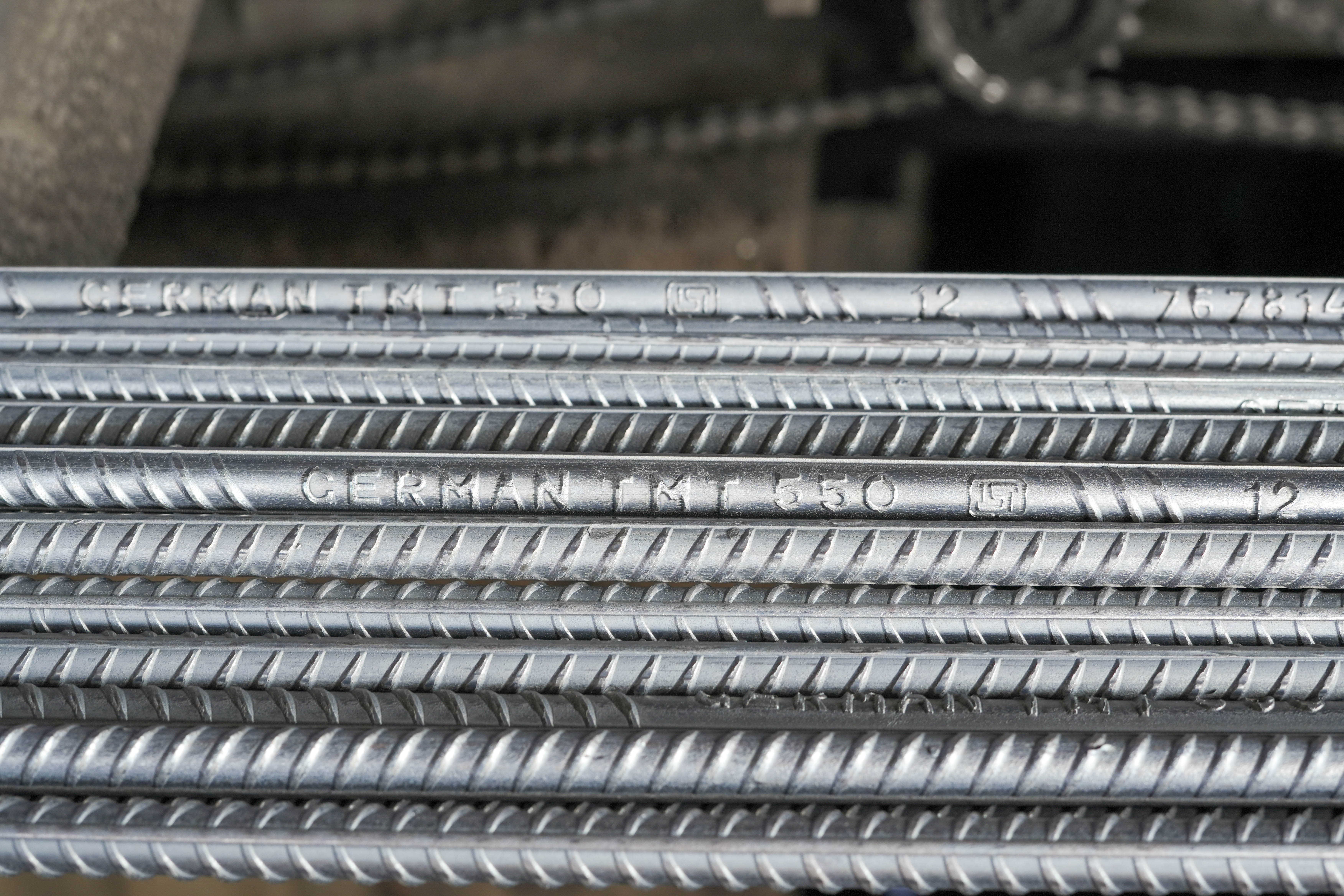
Products such as TMT Bars play an important role in supporting these requirements across a wide range of construction applications.
As engineering requirements evolve, project teams increasingly focus on consistency and performance throughout the lifecycle of a structure.
Certain environments may require additional protection measures to support long-term durability.
In such situations, Epoxy Coated TMT Bars are often considered as part of a broader corrosion management strategy.
Protective coating systems can help provide an additional layer between reinforcement steel and external environmental conditions.
Applications may include:
As durability expectations continue to increase, protective reinforcement solutions are becoming increasingly relevant in project planning discussions.
Durability is only one part of modern construction.
Project efficiency is becoming equally important.
Labour availability, project timelines, material optimization, and site productivity all influence project outcomes.
This has increased demand for pre-processed reinforcement solutions.
Modern Cut & Bend Services help improve project efficiency by delivering reinforcement according to approved project specifications before it reaches the site.
This can help:
For large infrastructure and industrial projects, even small improvements in resource utilization can create significant operational benefits over the course of a project.
Sustainability in construction is increasingly linked to lifecycle performance.
Structures designed for long-term durability often require:
Solutions such as CRS Green Steel and Epoxy Coated TMT Bars support discussions around durability and long-term structural performance.
Similarly, Cut & Bend Services contribute to material optimization and efficient project execution.
Together, these approaches support evolving construction priorities focused on performance and resource efficiency.
As construction projects continue to grow in complexity, reinforcement solutions are expected to play an increasingly important role in supporting:
The future of construction is not only about stronger materials but also about smarter reinforcement solutions that help improve performance throughout the lifecycle of a project.
Modern reinforcement requirements extend far beyond traditional material supply. Today's construction projects require solutions that support durability, efficiency, and long-term performance.
From TMT Bars and CRS Green Steel to Epoxy Coated TMT Bars and Cut & Bend Services, reinforcement technologies continue to evolve to meet the changing needs of infrastructure and construction projects.
As project expectations continue to rise, the role of advanced reinforcement solutions will become increasingly important in shaping the future of construction.
Project requirements, durability expectations, corrosion exposure, structural performance, and construction efficiency are common considerations.
Corrosion can influence long-term durability, maintenance requirements, and lifecycle performance.
They are often considered for coastal, marine, industrial, and high-humidity environments where additional protection may be required.
They help reduce on-site processing, improve accuracy, optimize material utilization, and support project timelines.
As construction projects become more complex, reinforcement solutions help support durability, efficiency, and long-term structural performance.
[ Where we share insights, updates, and stories that matter in the world of construction and beyond. ]
Infrastructure projects are designed with long service lives in mind. Whether it is highways, bridges, industrial facilities, ports, transportation networks, or public infrastructure, these assets are expected to perform reliably for decades while being exposed to a variety of environmental conditions. While structural design and construction quality remain essential, long-term durability is also influenced by the materials used within the structure. One of the most important durability challenges facing reinforced concrete structures is corrosion. As infrastructure investments continue to grow, corrosion protection is becoming an increasingly important consideration during project planning, design, and material selection.
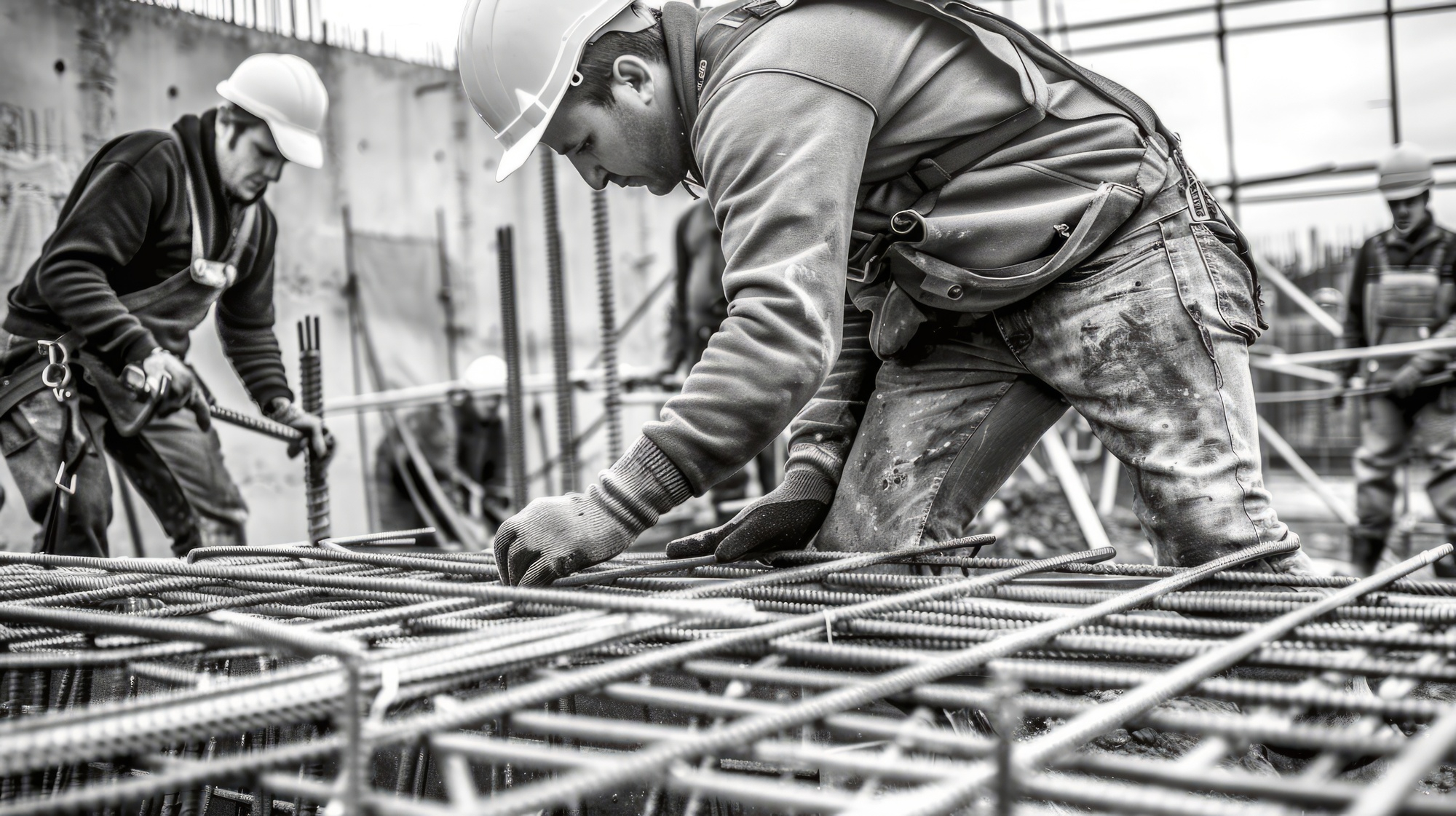
Durability has become one of the most important considerations in modern construction. Whether it is infrastructure, industrial facilities, transportation networks, commercial developments, or coastal projects, engineers and project stakeholders increasingly focus on how structures will perform over the long term—not just during initial construction. One of the primary factors influencing durability in reinforced concrete structures is corrosion. As a result, project teams often evaluate different corrosion protection approaches when selecting reinforcement materials.

.jpg)