
German Steel’s Epoxy Coated TMT: Advanced Technology for the Next Era of Infrastructure
November 3, 2026
June 11, 2026
Reinforcement steel plays a critical role in concrete structures.
Over time, environmental exposure can influence the condition of reinforcement, particularly in environments exposed to:
For this reason, corrosion management is often considered during the design and material selection stages of a project.
The objective is to support long-term structural performance while reducing maintenance requirements throughout the lifecycle of the structure.
Different projects face different environmental conditions.
A commercial building in an urban environment may have very different requirements compared to:
As a result, engineers often evaluate multiple reinforcement solutions depending on project requirements.
One approach involves using reinforcement products designed to support corrosion resistance through material characteristics and manufacturing processes.
Products such as CRS Green Steel are often considered for projects where long-term durability and corrosion resistance are important factors.
These types of reinforcement solutions are increasingly being evaluated for infrastructure and industrial applications where environmental exposure may influence long-term performance.
Another approach involves applying protective coatings to reinforcement products.
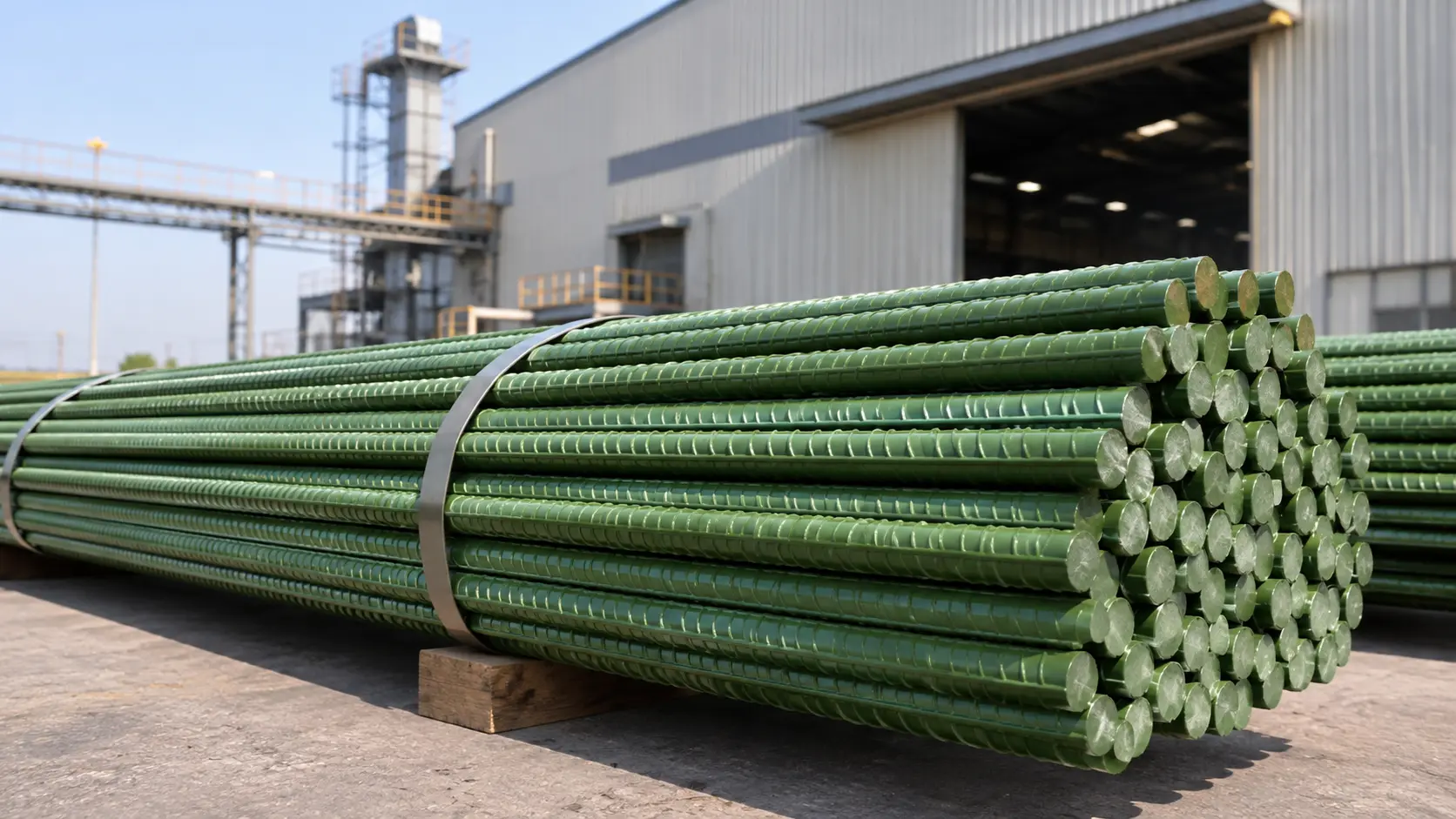
For example, Epoxy Coated TMT Bars feature a protective coating that creates an additional barrier between the steel surface and external environmental conditions.
Protective coating systems are commonly evaluated for:
These solutions are selected based on project-specific design requirements and environmental conditions.
Rather than asking which solution is universally "better," project teams typically evaluate:
Will the structure be exposed to moisture, chemicals, coastal conditions, or industrial pollutants?
How long is the structure expected to perform before major rehabilitation or maintenance activities become necessary?
What level of maintenance access and future intervention is expected?
What do project requirements and technical specifications recommend?
How do initial construction decisions align with long-term project objectives?
These factors often influence reinforcement selection decisions.
Modern construction increasingly focuses on lifecycle performance rather than only initial installation costs.
Project stakeholders are paying greater attention to:
This shift has increased interest in reinforcement solutions designed to support durability objectives throughout the service life of a structure.
Regardless of the corrosion protection strategy selected, manufacturing consistency remains important.
Project teams often evaluate:
Learn more about German Steel's manufacturing approach and its commitment to supporting modern construction requirements.
Material performance is only one part of successful project execution.
Construction efficiency also plays a major role.
Services such as Cut & Bend Solutions help improve project coordination by delivering reinforcement processed according to approved project specifications before arriving at site.
Benefits may include:
Combining reinforcement performance with efficient processing can contribute to smoother project execution.
As infrastructure and industrial development continue to expand, durability considerations will remain an important part of construction planning.
Engineers, consultants, and procurement teams are increasingly evaluating reinforcement solutions based on:
Whether through corrosion-resistant reinforcement materials or protective coating systems, the goal remains the same: supporting long-term structural performance in demanding environments.
Corrosion protection has become an important aspect of modern construction planning.
Different projects may require different reinforcement approaches depending on environmental conditions, durability expectations, and engineering requirements.
Solutions such as CRS Green Steel and Epoxy Coated TMT Bars provide different approaches to addressing corrosion-related challenges, allowing project teams to evaluate options that align with their specific project objectives.
Corrosion can influence durability, maintenance requirements, and long-term structural performance.
Environmental conditions, project requirements, lifecycle expectations, and engineering specifications are common considerations.
They are often evaluated for infrastructure, industrial, transportation, coastal, and water-related projects.
Epoxy Coated TMT Bars feature a protective coating that creates an additional barrier between reinforcement steel and external environmental conditions.
Material selection is typically based on project-specific engineering, environmental, operational, and lifecycle requirements.
[ Where we share insights, updates, and stories that matter in the world of construction and beyond. ]
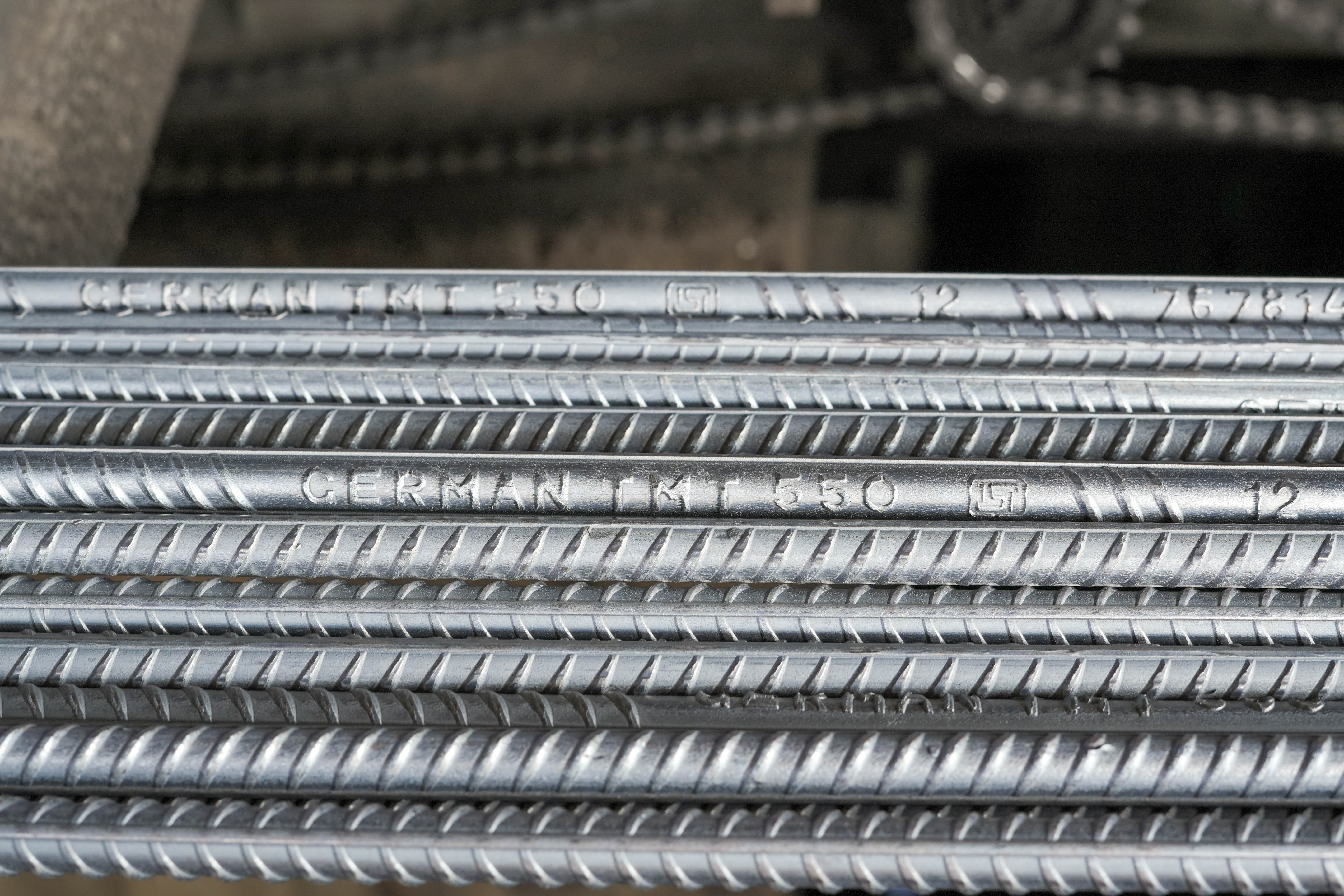
As infrastructure becomes more ambitious, reinforcement steel is expected to deliver more than structural strength. Projects increasingly consider durability, environmental exposure, material performance and the technologies used to manufacture specialised steel products. German Steel is expanding its reinforcement portfolio to address these evolving requirements through Epoxy Coated TMT Bars—a specialised product that combines German TMT reinforcement with Fusion Bonded Epoxy (FBE) coating technology. This capability represents an important part of German Steel’s wider manufacturing evolution: bringing advanced processing, specialised protection and modern quality systems into its steel solutions portfolio.
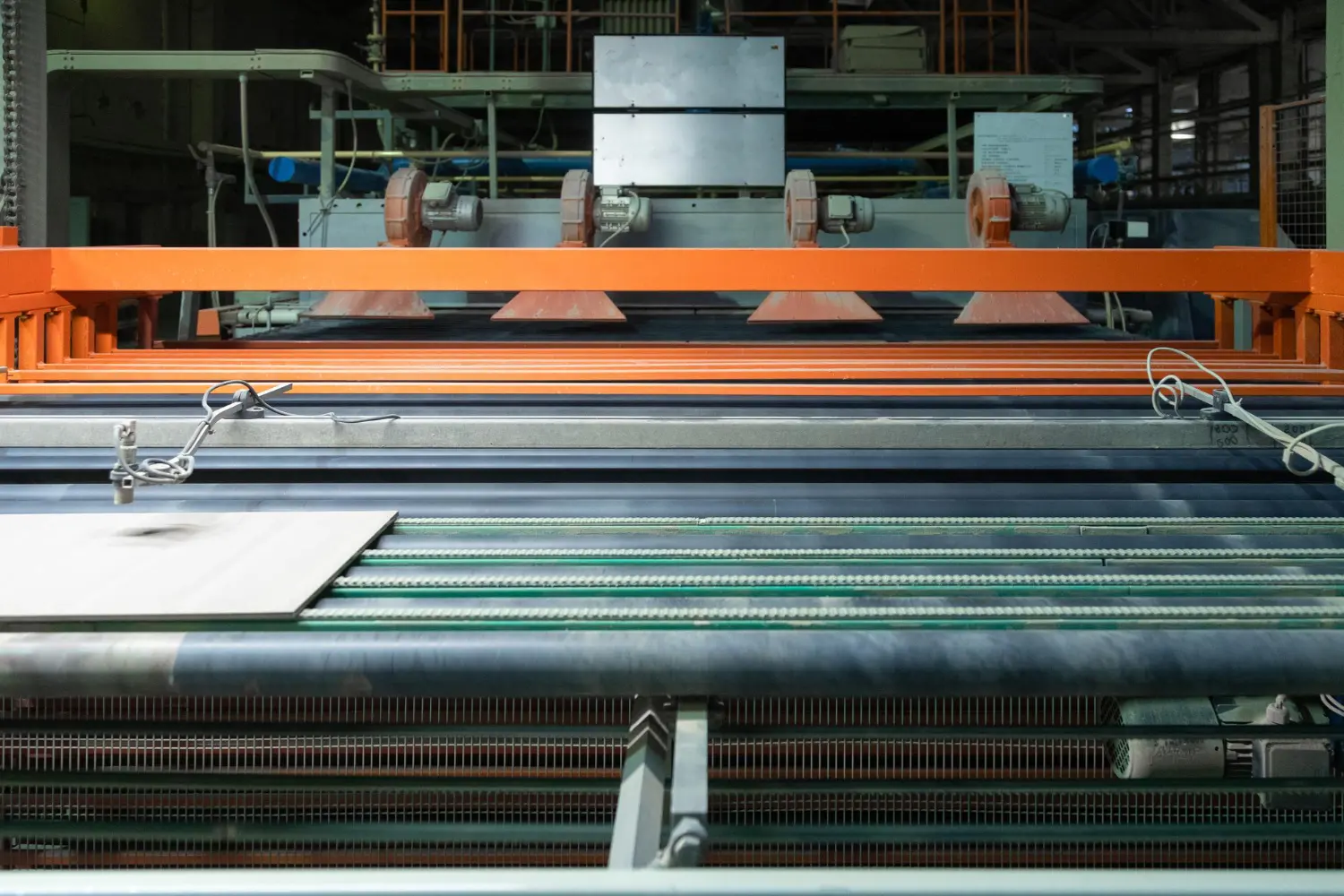
The strength of a steel brand is reflected not only in the products it manufactures, but also in the specialised capabilities it builds around them. At German Steel, reinforcement manufacturing extends beyond conventional TMT bars. Through its automatic Cut & Bend facility and Fusion Bonded Epoxy coating capabilities, the company brings precision processing and corrosion-protection solutions into its broader steel manufacturing ecosystem. These specialised facilities represent an important step in German Steel’s evolution—from a TMT manufacturer to a steel solutions partner equipped to address the changing requirements of modern construction and infrastructure.