
German Steel’s Advanced Cut & Bend and Epoxy Coating Facilities: Precision, Protection and Manufacturing Excellence
November 3, 2026
November 3, 2026
As infrastructure becomes more ambitious, reinforcement steel is expected to deliver more than structural strength. Projects increasingly consider durability, environmental exposure, material performance and the technologies used to manufacture specialised steel products.
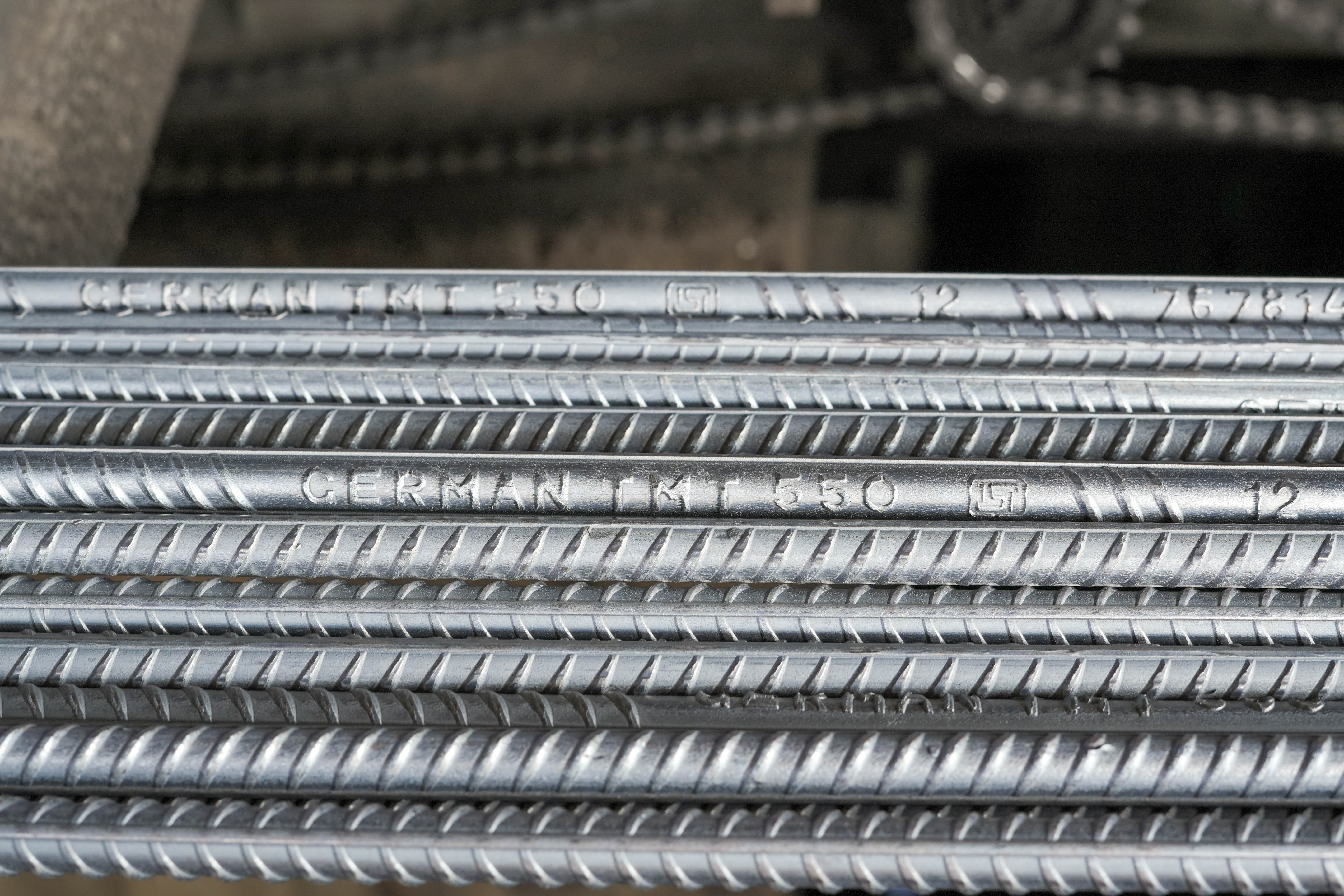
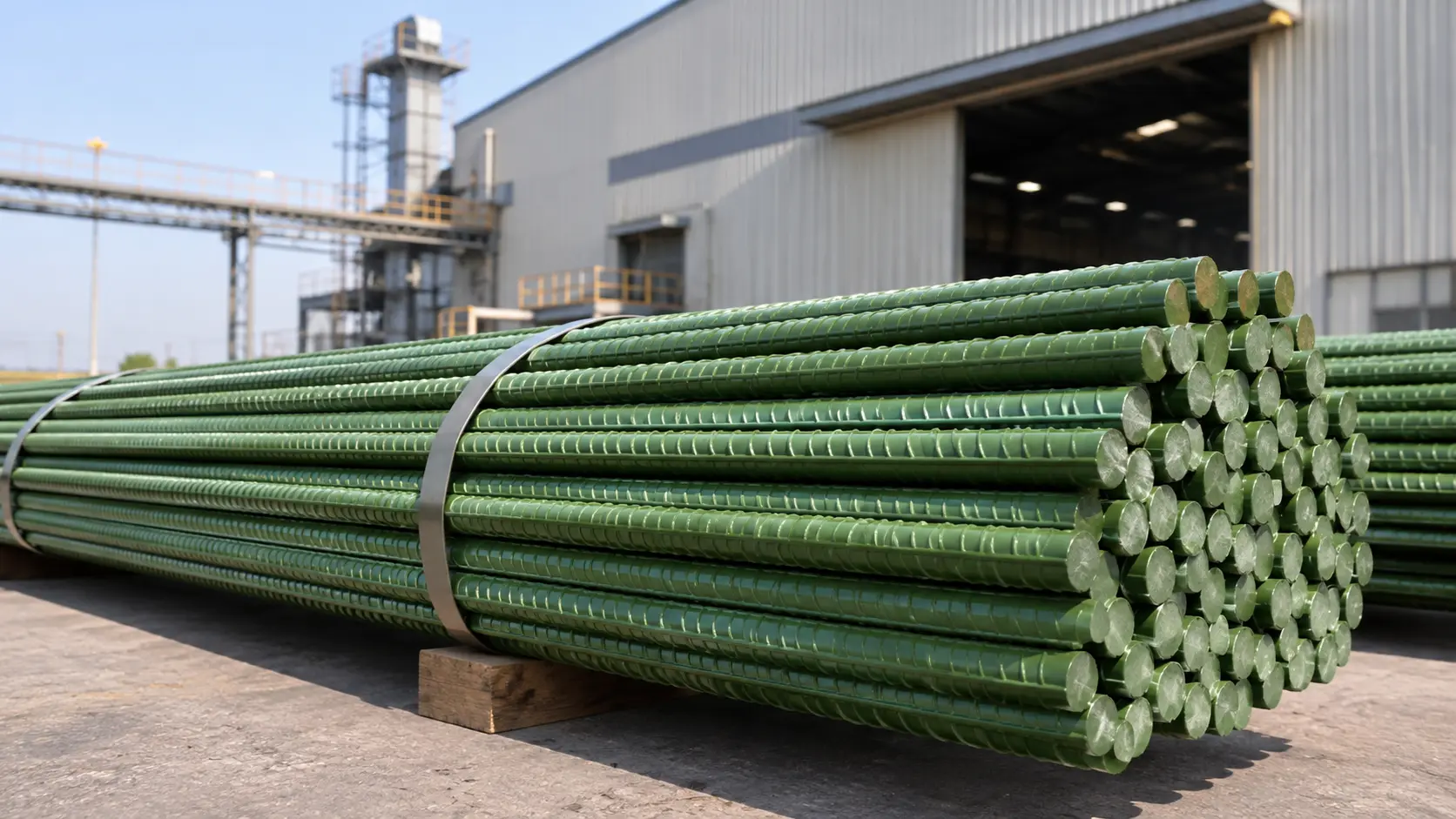
German Steel is expanding its reinforcement portfolio to address these evolving requirements through Epoxy Coated TMT Bars—a specialised product that combines German TMT reinforcement with Fusion Bonded Epoxy (FBE) coating technology.
This capability represents an important part of German Steel’s wider manufacturing evolution: bringing advanced processing, specialised protection and modern quality systems into its steel solutions portfolio.
German Steel’s journey since 1976 has been shaped by manufacturing development and an expanding portfolio of steel products.
Alongside conventional TMT Bars, the company offers CRS Green Steel, Epoxy Coated TMT Bars and Cut & Bend reinforcement solutions. These products address different project requirements, from corrosion resistance to precision processing.
The development of epoxy-coated reinforcement reflects a wider shift in construction: project teams are increasingly evaluating steel solutions based on the conditions in which structures will operate, not only the material’s initial specifications.
Explore the German Steel product portfolio.
Fusion Bonded Epoxy coating is a specialised process used to apply a protective layer to reinforcement steel.
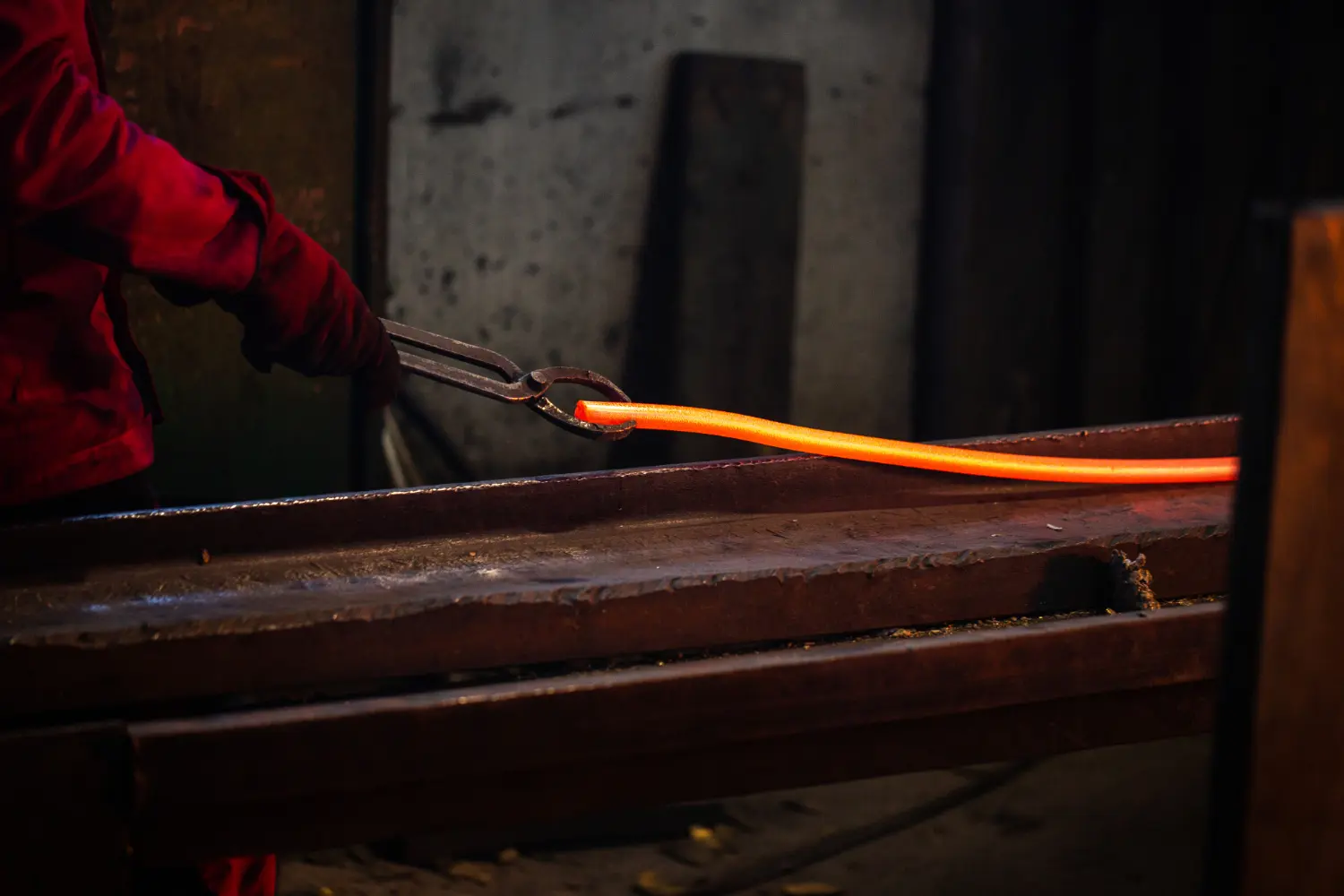
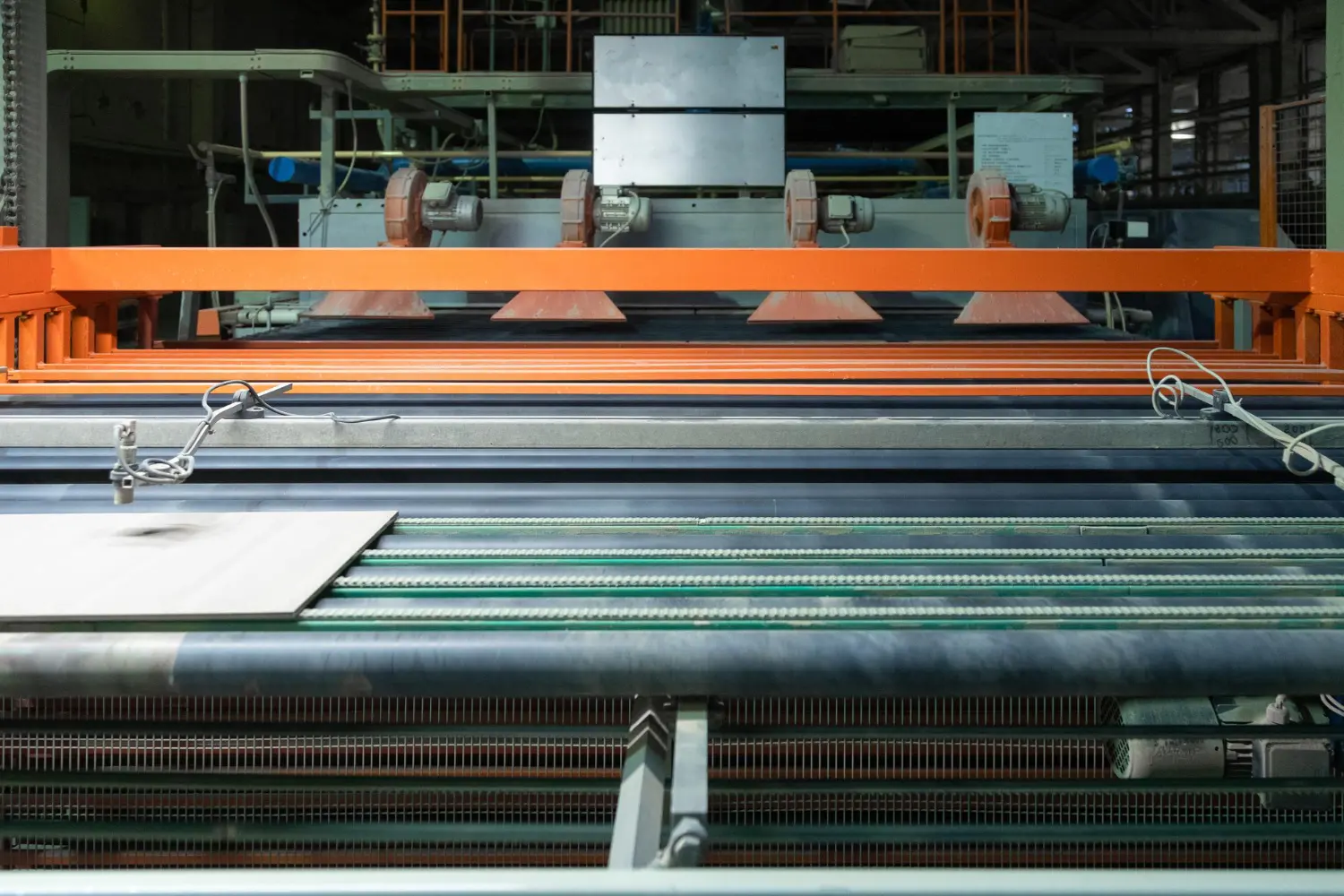
At German Steel, the process involves preparing the TMT bar surface, heating it, applying epoxy powder electrostatically and then curing and cooling the coated bar.
The resulting coating is designed to act as a barrier against moisture, chloride ions and other corrosive elements that may affect reinforcement in suitable environments.
Before coating, the TMT bars undergo shot blasting to remove grease, rust and scale from the surface.
This creates a clean, suitably roughened surface to support coating adhesion. Surface preparation is a critical stage because the quality of the coating bond depends on the condition of the steel beneath it.
German Steel’s published process describes the use of high-frequency induction heating to bring the bars to an optimal temperature range of 225°C to 245°C before epoxy application.
Controlled heating prepares the steel surface for the coating process and supports the formation of a uniform protective layer.
Epoxy powder is applied using electrostatic spray guns. The charged powder particles are attracted to the heated steel surface, where they melt and form a protective film.
The process is designed to achieve an even coating over the bar surface.
Following application, the coated bars undergo thermal treatment to complete curing, followed by water cooling.
This stage helps develop the coating’s bond and physical properties, supporting resistance to damage during handling and fabrication.
Learn more about the German Steel Epoxy Coating Process.
Advanced coating technology must be supported by testing. The performance of epoxy-coated reinforcement depends on coating integrity, adhesion and its ability to withstand physical and environmental stresses.
German Steel’s published epoxy product information lists several tests:
These tests are important because a protective coating must remain effective not only during manufacturing, but also through handling, transportation, fabrication and installation.
Corrosion protection is an important consideration in structures exposed to moisture, chlorides or aggressive environmental conditions.
Depending on the project specification, epoxy-coated reinforcement may be considered for applications such as:
The suitability of epoxy-coated reinforcement depends on the project’s design, exposure conditions, specifications and installation requirements. It should be selected in consultation with the project’s structural engineer.
For further reading, explore reinforcement considerations for coastal and high-humidity construction projects.
For a steel manufacturer, expansion is not only about increasing production volume. It also means developing capabilities that serve more specialised requirements across the construction and infrastructure value chain.
German Steel’s epoxy-coated reinforcement extends its portfolio beyond conventional TMT bars by bringing together:
This capability adds another dimension to German Steel’s manufacturing ecosystem and strengthens its ability to serve projects where corrosion protection is specified.
Explore German Steel’s manufacturing facilities.
Modern reinforcement manufacturing is evolving through specialised products, process control and value-added capabilities.
German Steel’s Epoxy Coated TMT Bars represent this direction—combining its core reinforcement offering with a specialised coating process designed to provide additional protection in suitable environments.
Alongside TMT Bars, CRS Green Steel and Cut & Bend solutions, epoxy-coated reinforcement strengthens the company’s broader portfolio for changing construction requirements.
As infrastructure projects place increasing emphasis on durability, engineering specifications and specialised materials, German Steel continues to develop capabilities that connect manufacturing technology with the needs of modern construction.
German Steel. Mazboot Iraado ka, Mazboot Sathi.
German Steel’s Epoxy Coated TMT Bars use Fusion Bonded Epoxy coating, which forms a protective barrier over the reinforcement surface to help limit exposure to moisture, chlorides and other corrosive elements.
The published process includes shot-blasting surface preparation, high-frequency induction pre-heating, electrostatic epoxy powder application, curing and cooling.
German Steel’s published process describes high-frequency induction pre-heating to an optimal temperature range of 225°C to 245°C.
The company lists chemical resistance, adhesion, voltage resistance, salt spray resistance, abrasion resistance and impact testing.
They may be considered for projects where additional corrosion protection is specified, including certain coastal, marine, bridge, water infrastructure and industrial applications. Final selection should follow the project’s engineering specifications.
[ Where we share insights, updates, and stories that matter in the world of construction and beyond. ]
The strength of a steel brand is reflected not only in the products it manufactures, but also in the specialised capabilities it builds around them. At German Steel, reinforcement manufacturing extends beyond conventional TMT bars. Through its automatic Cut & Bend facility and Fusion Bonded Epoxy coating capabilities, the company brings precision processing and corrosion-protection solutions into its broader steel manufacturing ecosystem. These specialised facilities represent an important step in German Steel’s evolution—from a TMT manufacturer to a steel solutions partner equipped to address the changing requirements of modern construction and infrastructure.
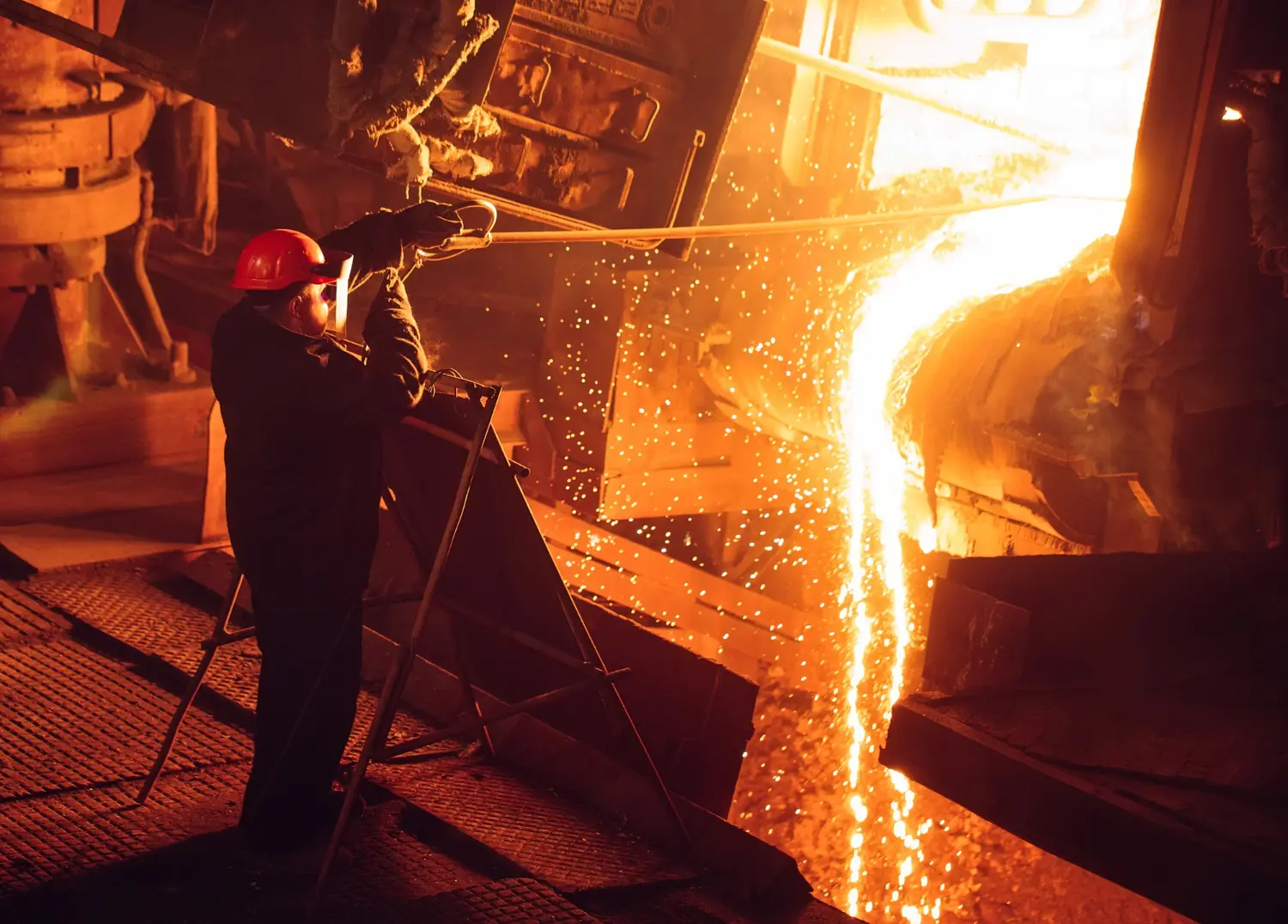
A strong steel brand is built on more than the strength of its finished product. It is built on the capabilities behind it—the manufacturing infrastructure, technical expertise, process control and operational systems that bring every product to life. German Steel’s journey since 1976 reflects this broader vision. From its roots in the iron and steel business to its present-day manufacturing ecosystem in Gujarat, the company has developed capabilities across multiple stages of steel production, with TMT reinforcement at the centre of its portfolio. With operations spanning Sponge Iron, MS Billets, TMT Bars and value-added reinforcement solutions, German Steel represents an integrated approach to steel manufacturing—connecting production capabilities with the evolving requirements of construction and infrastructure.