

How to Store TMT Bars at Construction Sites in Gujarat: A Practical Guide
September 8, 2026
June 24, 2026
Water plays an important role across a wide range of industrial processes.
Depending on the industry, water may be used for:
As manufacturing scales continue to increase, effective water management becomes increasingly important for ensuring operational continuity and long-term sustainability.
Modern manufacturing is undergoing a significant transformation.
Today's industrial facilities are expected to balance:
This has encouraged companies to move beyond traditional consumption models and adopt more strategic approaches to resource management.
Water is now viewed not only as an operational requirement but also as a critical sustainability metric.
Manufacturing facilities operate within an environment where long-term resource planning has become increasingly important.
Factors influencing water management strategies include:
As a result, manufacturers are investing in infrastructure and systems that support greater water resilience and operational stability.
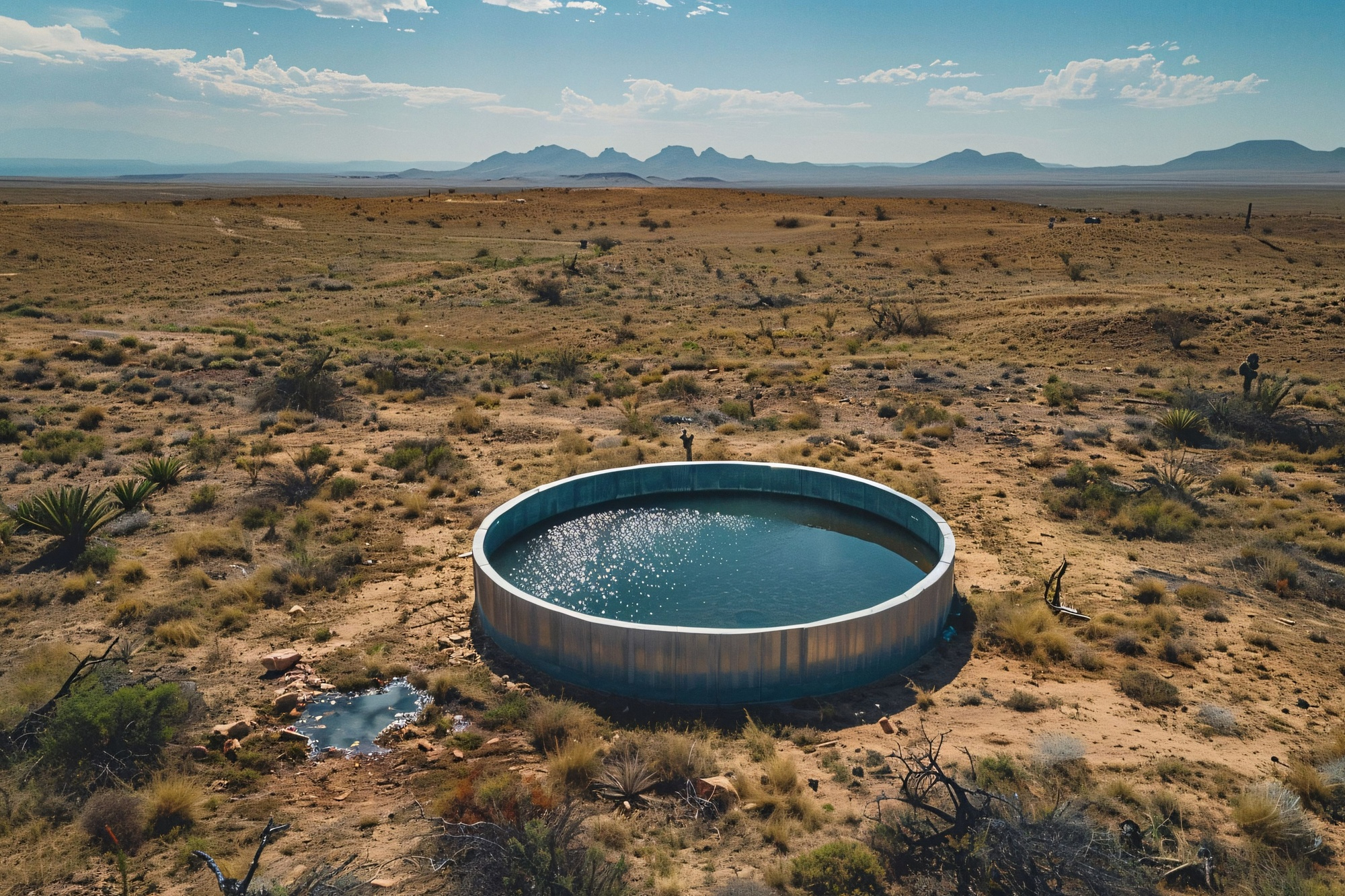
Many industrial facilities are increasingly investing in dedicated water reserves and storage infrastructure.
Water reserves help support:
By improving water availability and storage capabilities, manufacturers can strengthen long-term operational preparedness while supporting responsible resource utilization.
The steel industry is undergoing a significant transformation as manufacturers seek to balance production growth with environmental responsibility.
Today, sustainability is no longer limited to compliance requirements. It is becoming an important part of how manufacturers design facilities, manage resources, generate energy, and plan for future growth.
This shift is encouraging steel manufacturers to invest in:
These initiatives are helping create a more resilient and environmentally conscious industrial ecosystem.
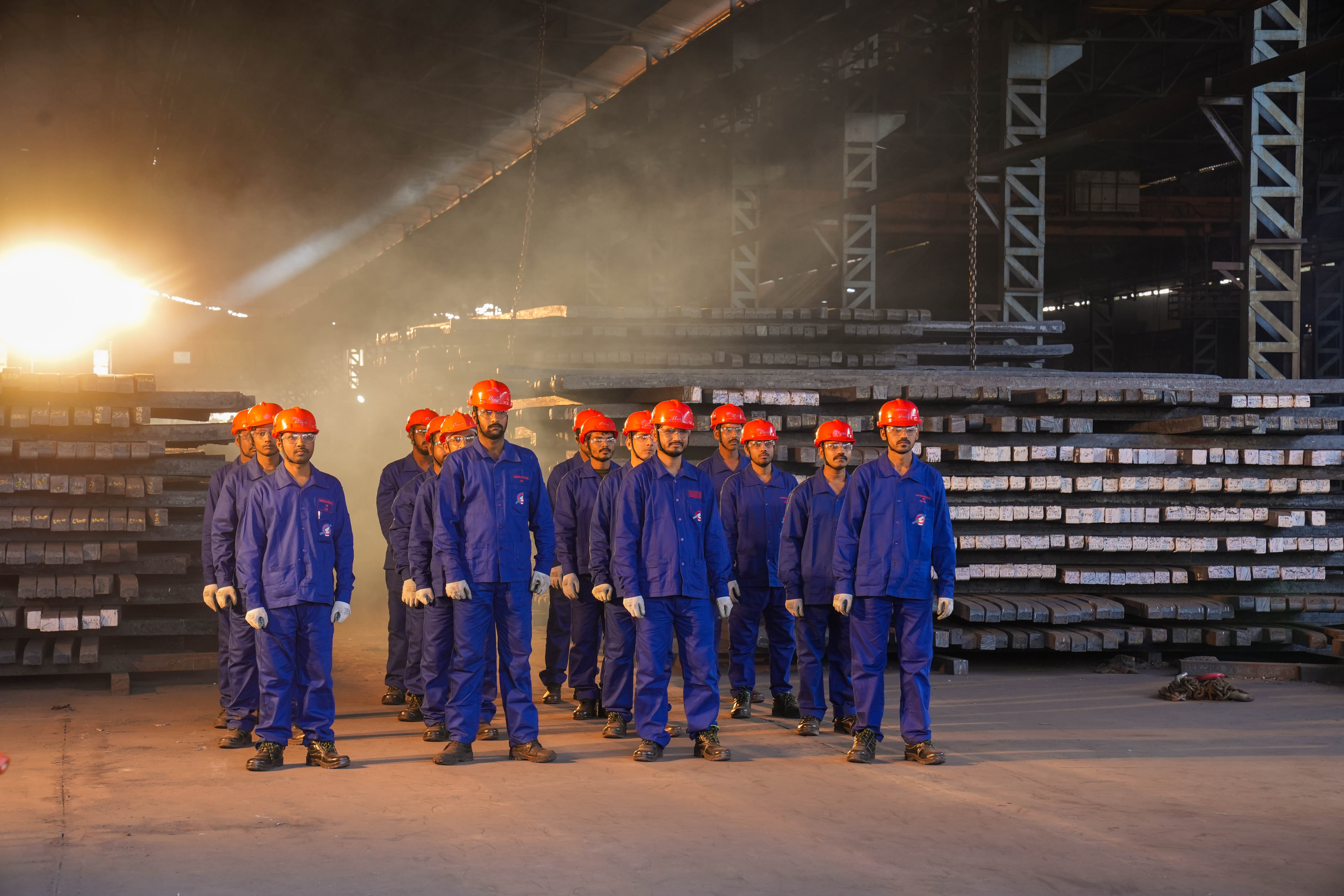
At German Steel, sustainability is viewed as a long-term operational commitment rather than a standalone initiative.
With manufacturing operations in Kutch and Samakhiyali, Gujarat, the company has invested in practices and infrastructure that support responsible industrial growth while maintaining manufacturing efficiency.
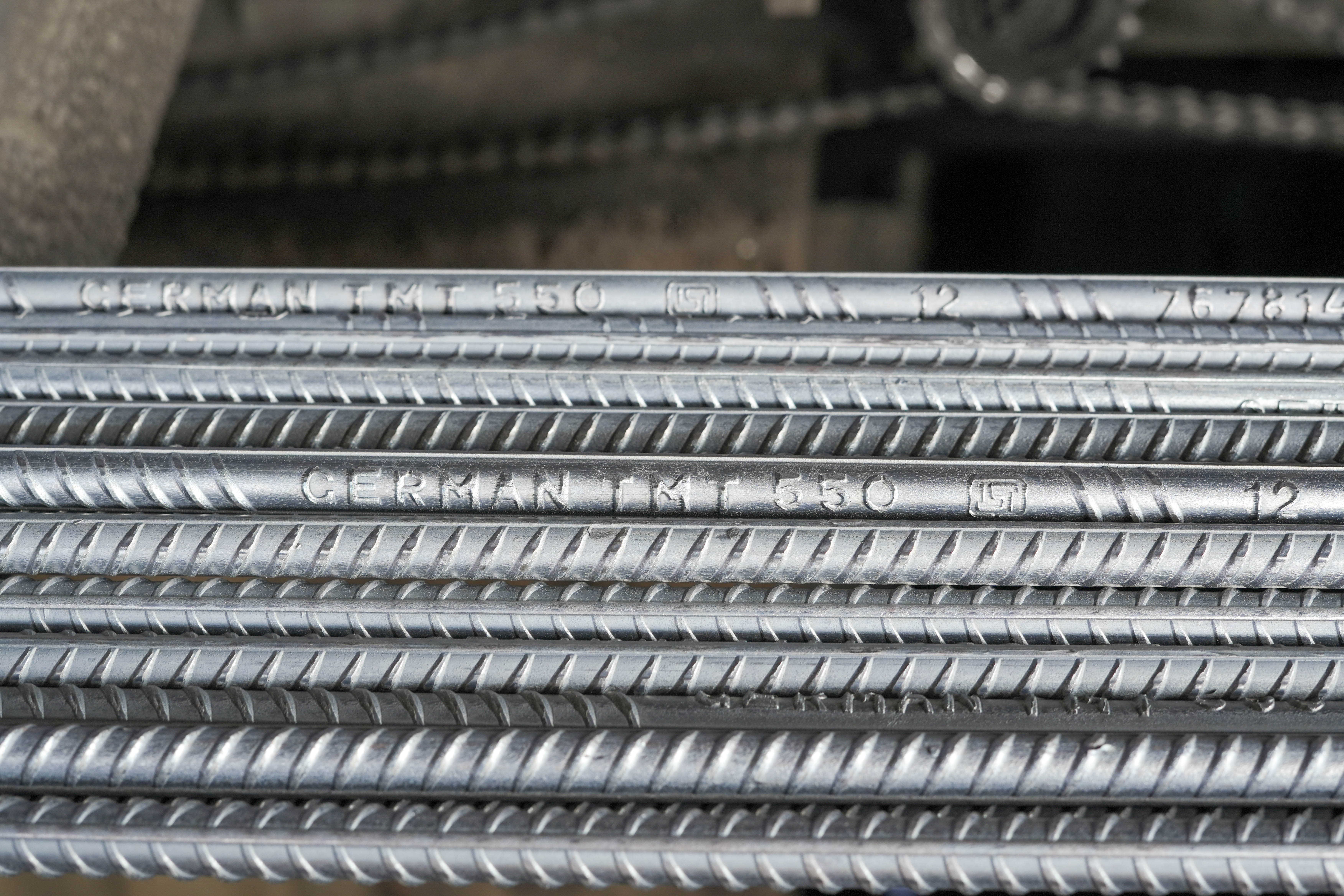
German Steel's manufacturing ecosystem supports products including TMT Bars, CRS Green Steel, Epoxy Coated TMT Bars, and advanced Cut & Bend Solutions.
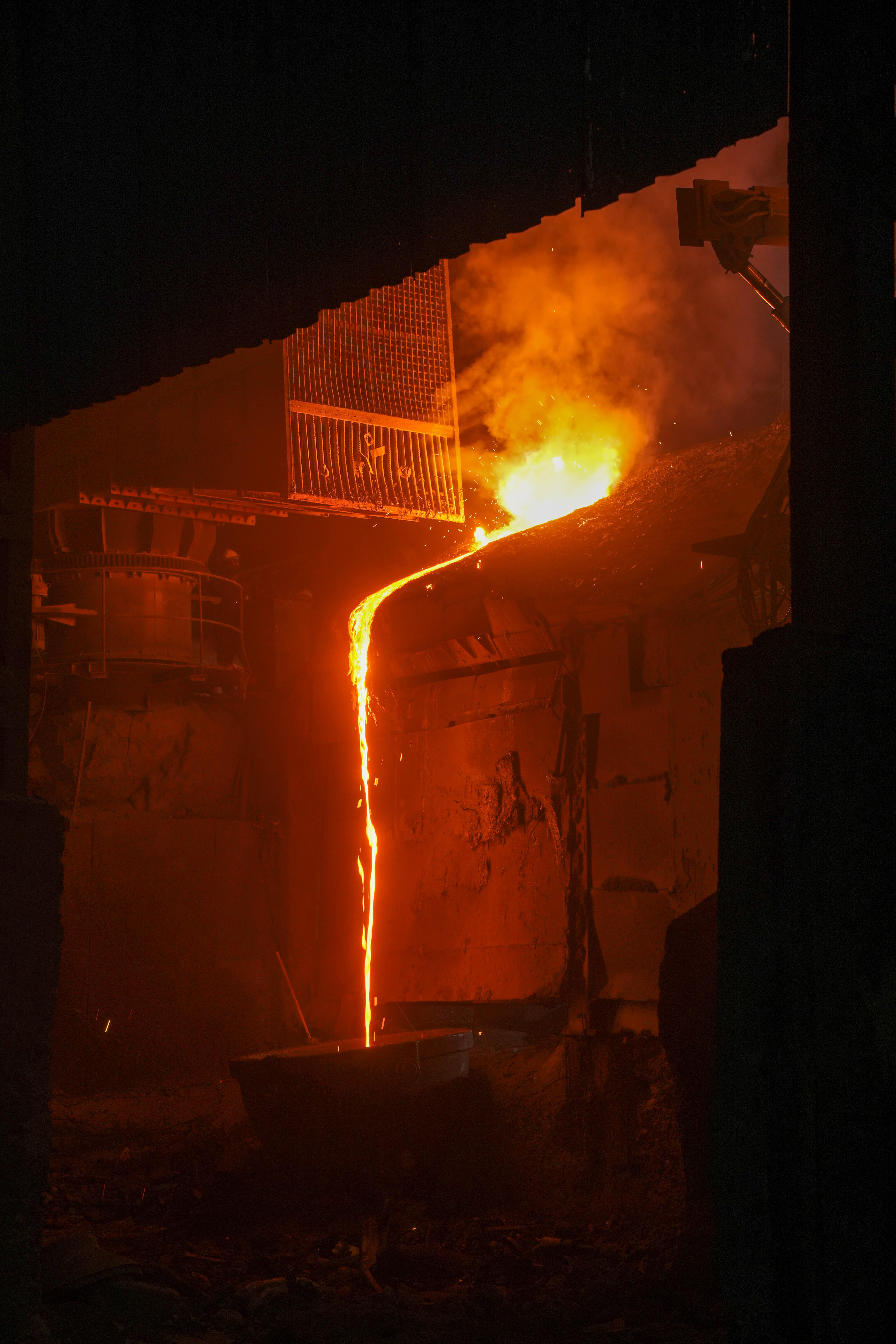
To support sustainable operations, the company has invested in renewable energy generation through wind and solar power, helping strengthen energy efficiency across its manufacturing facilities.
In addition, waste heat recovery systems contribute to better resource utilization by capturing and utilizing energy generated during industrial processes. Such initiatives help improve operational efficiency while supporting broader sustainability objectives.
Water management remains another key area of focus. Through dedicated water reserves, conservation efforts, and responsible resource planning, German Steel continues to strengthen its approach toward long-term environmental stewardship.
The combination of renewable energy adoption, water management initiatives, resource optimization, and modern manufacturing infrastructure reflects the evolving direction of the steel industry, where sustainability and productivity increasingly work together.
Across industries, water conservation is becoming a core component of sustainability planning.
Organizations are increasingly adopting initiatives focused on:
These efforts help align manufacturing operations with evolving sustainability expectations while supporting responsible growth.
Water management is often linked with broader resource efficiency goals.
Organizations focused on sustainability frequently evaluate:
As a result, water management is increasingly integrated into larger environmental and operational planning frameworks.
The manufacturing sector is witnessing growing interest in environmental performance indicators.
Companies are increasingly evaluated on factors such as:
This shift reflects changing expectations across customers, investors, regulators, and communities.
As industrial development continues to expand, effective resource planning will become even more important.
Future-ready manufacturing facilities are likely to place greater emphasis on:
Organizations that proactively invest in these areas are likely to be better positioned to support long-term operational success.
The future of manufacturing will be shaped not only by production capabilities but also by how effectively companies manage critical resources.
Water management is increasingly becoming a key indicator of operational maturity, sustainability planning, and responsible industrial development.
As manufacturers continue to evolve, investments in conservation, storage, renewable energy, resource optimization, and environmental stewardship are expected to play an increasingly important role in shaping the next generation of industrial growth.
Water management is rapidly becoming one of the most important metrics in modern manufacturing.
As industries focus on sustainability, operational resilience, and responsible growth, effective water planning is helping organizations strengthen long-term performance while supporting broader environmental objectives.
Through initiatives such as renewable energy adoption, water conservation, waste heat recovery, and resource-efficient manufacturing practices, companies are redefining what sustainable industrial growth looks like. For manufacturers such as German Steel, these efforts complement the production of TMT Bars, CRS Green Steel, Epoxy Coated TMT Bars, and Cut & Bend Solutions, demonstrating how sustainability and manufacturing excellence can progress together.
[ Where we share insights, updates, and stories that matter in the world of construction and beyond. ]
Learn how to store TMT bars correctly at construction sites in Gujarat. Explore practical TMT storage, handling and reinforcement management practices for contractors.

Learn how to select TMT bars for high-rise buildings based on strength, ductility, bendability, bonding, corrosion resistance and project requirements.

.jpg)


.webp)