

How to Store TMT Bars at Construction Sites in Gujarat: A Practical Guide
September 8, 2026
August 21, 2026
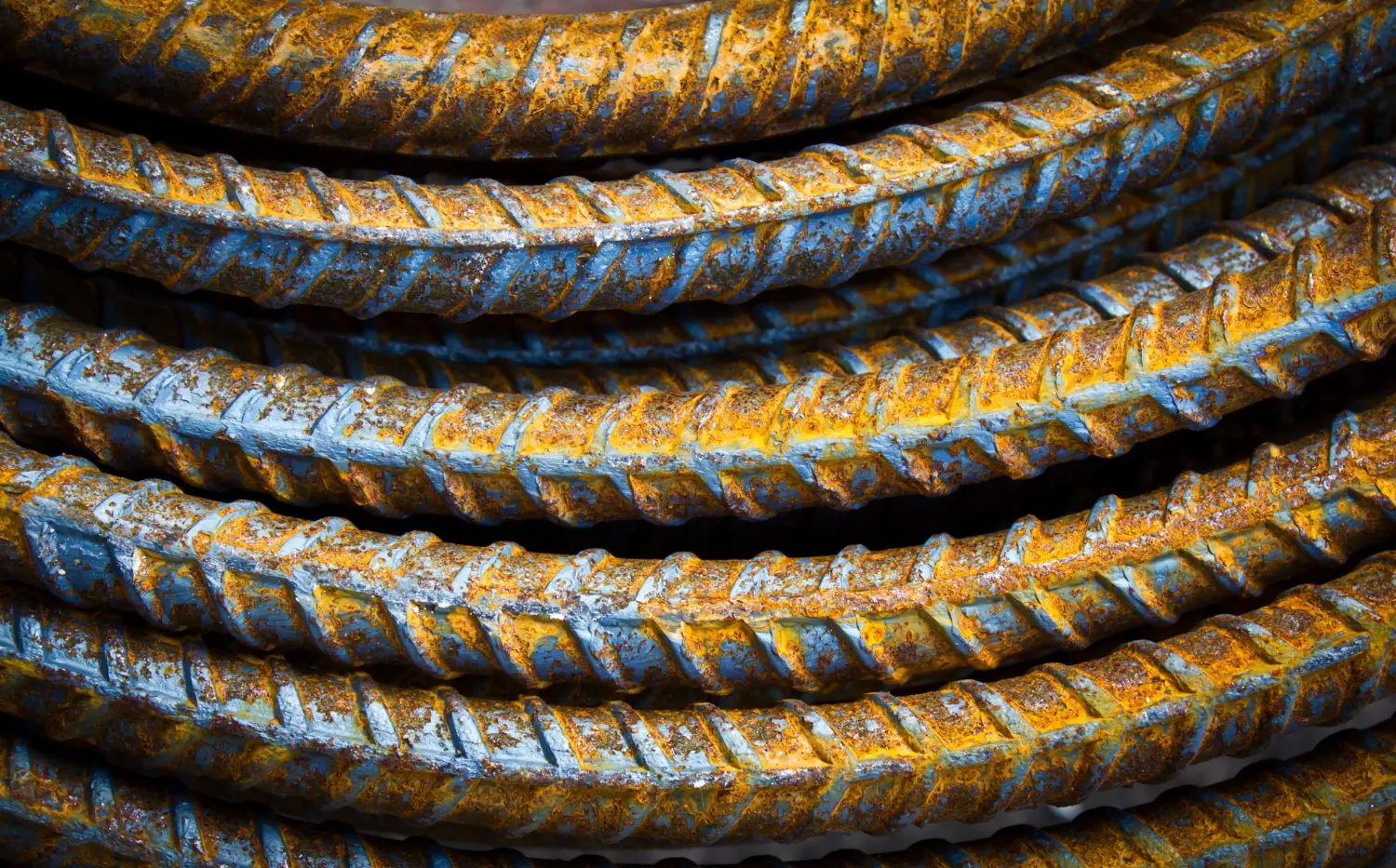
Ahmedabad's construction industry continues to expand across residential, commercial, industrial and infrastructure projects. But construction sites also face a practical challenge that is often noticed only after reinforcement has been delivered: rust on TMT bars.
Seeing surface rust on reinforcement does not automatically mean that the steel is unsuitable. The more important question is why the reinforcement has rusted, how severe the corrosion is, and whether site conditions are allowing the problem to develop further.
For contractors and project teams in Ahmedabad, controlling moisture exposure, improving storage practices and selecting reinforcement according to the project's environmental conditions can make an important difference.
For projects where additional corrosion protection is required, German Epoxy Coated TMT Bars provide a specialised reinforcement option.
Steel can corrode when it is exposed to moisture and oxygen. Reinforcement stored for extended periods in wet or poorly protected conditions can therefore develop surface oxidation.
At construction sites, several factors can contribute to this:
The risk is not limited to the steel itself. How reinforcement is stored and handled before it is embedded in concrete also matters.
During the monsoon, construction sites can experience repeated wetting and drying.
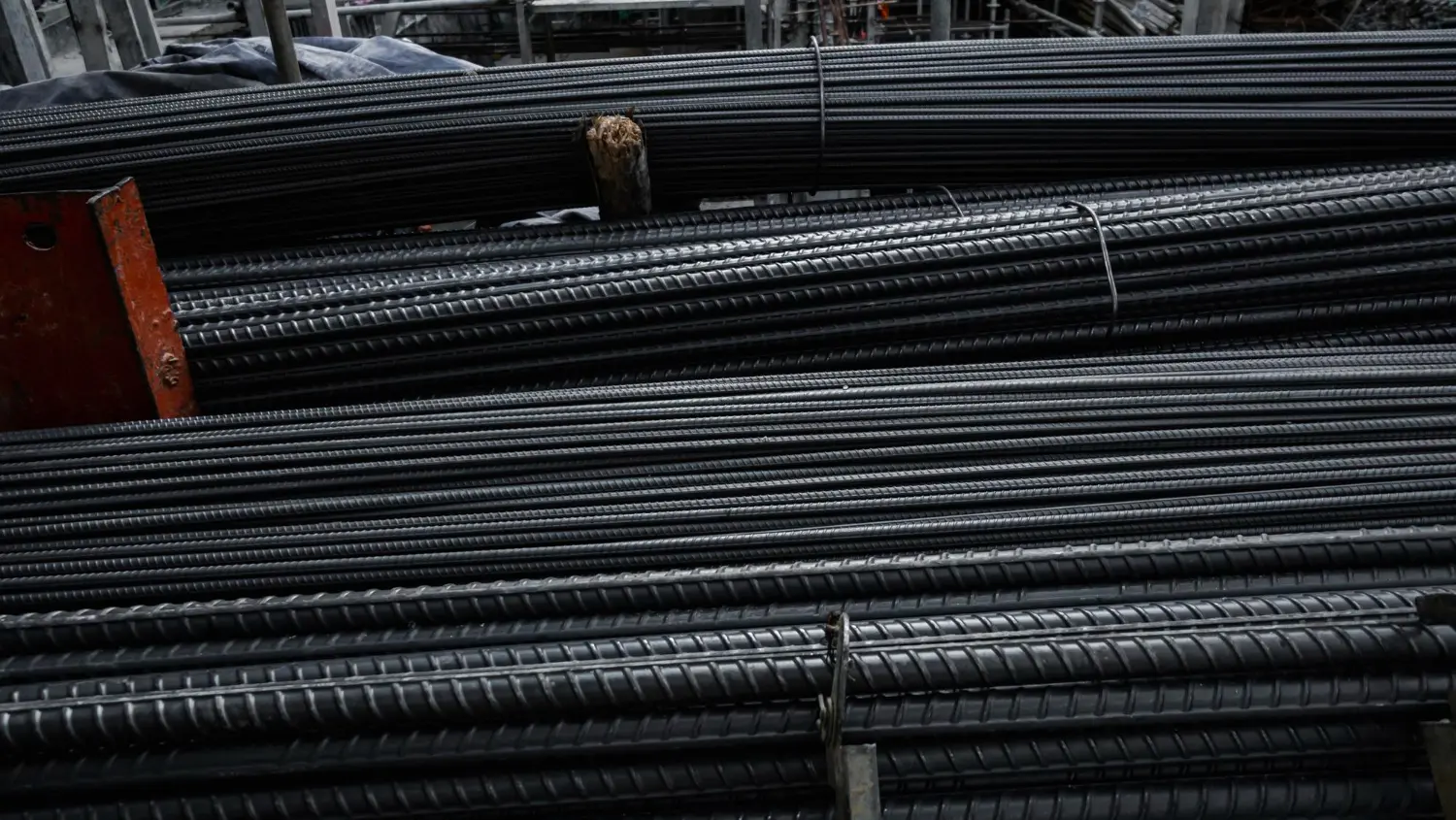
If TMT bars are left uncovered, placed directly on the ground or stored in areas where water accumulates, surface oxidation can become more noticeable.
This is particularly relevant for projects where reinforcement is purchased well before it is required for construction.
A practical storage strategy should therefore prevent unnecessary and prolonged exposure to water.
Good site management can help minimise unnecessary corrosion before reinforcement is installed.
TMT bars should not be stored directly on soil or surfaces where they can remain in contact with standing water.
Using suitable supports keeps the reinforcement elevated and allows water to drain away.
Where reinforcement is stored for extended periods, suitable covering can help reduce direct exposure to rainfall.
However, storage should also allow appropriate ventilation and drainage rather than trapping moisture around the bars.
The storage area should ideally have adequate drainage.
If rainwater repeatedly collects around reinforcement, the steel remains exposed to moisture for longer periods, increasing the opportunity for corrosion.
Ordering reinforcement significantly earlier than required can increase the amount of time steel spends exposed at the site.
Better coordination between reinforcement procurement, processing and construction scheduling can help reduce unnecessary storage periods.
Not necessarily.
The appearance of rust alone does not provide enough information to determine whether reinforcement is suitable for use.
The condition of the bar should be evaluated according to the relevant project requirements, specifications and applicable standards.
The important distinction is between light surface oxidation and corrosion that has caused significant deterioration of the reinforcement.
Project teams should not make structural decisions based solely on visual appearance. Where there is concern about reinforcement condition, the appropriate technical inspection and testing should be carried out.
For additional information on reinforcement properties, German Steel's existing article Understanding Strength, Ductility and Weldability in Modern TMT Bars provides useful context.
Corrosion becomes a greater concern when it continues after the reinforcement has been incorporated into a structure.
As steel corrodes, corrosion products can occupy greater volume than the original steel. In reinforced concrete, this can contribute to internal stresses around the reinforcement and, depending on the severity and conditions, cracking or spalling of concrete.
This is why corrosion protection should be considered as part of the overall durability strategy, especially for structures exposed to challenging environments.
German Steel already covers the broader subject in How Corrosion Can Impact the Lifecycle Cost of Reinforced Structures.
Not every Ahmedabad construction project needs epoxy-coated reinforcement.
The decision should be based on the project's environmental exposure, structural requirements and durability specifications.
However, where reinforcement is expected to face conditions that create a significant corrosion concern, additional protection may be considered.
German Epoxy Coated TMT Bars provide an epoxy coating over the reinforcement, creating an additional protective barrier.
They can be considered for appropriately specified applications where protection against moisture, chlorides or aggressive exposure is an important part of the project's durability strategy.
The decision should start with the environment, not the product.
For a conventional building where reinforcement is adequately protected within the designed concrete system and the exposure conditions do not warrant additional protection, German TMT Bars may be appropriate.
Where the project specification identifies a greater corrosion risk, German Epoxy Coated TMT Bars can provide an additional protective measure.
The structural engineer and project design team should determine the appropriate reinforcement system based on the project's requirements.
One of the easiest mistakes to overlook is treating corrosion protection as something that begins only after reinforcement is installed.
In reality, reinforcement management begins when the steel reaches the project.
Procurement, transportation, unloading, stacking, covering, drainage, cutting, bending and installation all form part of the reinforcement handling process.
For projects using factory-processed reinforcement, German Steel's Cut & Bend Solutions can also move cutting and bending into a controlled processing environment before reinforcement reaches the site.
This can help construction teams reduce the amount of reinforcement processing that needs to happen manually at the project location.
Before and during construction, contractors can review a few basic points:
These steps can help make reinforcement management more systematic.
Ahmedabad's construction requirements range from residential developments and commercial buildings to industrial facilities and large infrastructure projects.
That means reinforcement requirements can vary considerably from one project to another.
German Steel offers TMT Bars for conventional reinforced concrete applications and Epoxy Coated TMT Bars for projects where additional corrosion protection is specified.
The company also offers CRS Green Steel and Cut & Bend Solutions as part of its broader reinforcement portfolio.
The right solution depends on the project's structural design, environmental exposure and durability requirements.
Rust on reinforcement at an Ahmedabad construction site should not automatically trigger panic, but it should not simply be ignored either.
The right response is to understand the cause, assess the condition of the reinforcement, improve storage and handling practices, and select appropriate corrosion protection where the project requires it.
For conventional applications, properly specified German TMT Bars can serve as the reinforcement solution.
For projects requiring additional corrosion protection, German Epoxy Coated TMT Bars offer another option.
Ultimately, corrosion management is not just about choosing a steel product. It is about making the right decisions from procurement to storage to installation to the structure's long-term service environment.
TMT bars can develop surface rust when exposed to moisture, rain, standing water, wet ground or prolonged storage. Poor drainage and inadequate protection can increase exposure.
Surface rust does not automatically mean that reinforcement is unusable. The actual condition of the steel should be evaluated against the project's specifications and applicable requirements. Significant corrosion should be assessed by the appropriate technical professional.
Store reinforcement above ground, prevent standing water, provide suitable protection from prolonged rainfall, maintain drainage and avoid unnecessarily long storage periods.
They can be considered when a project requires additional corrosion protection due to its environmental exposure or durability requirements. The final specification should come from the project's design and engineering team.
Yes. German Steel offers Epoxy Coated TMT Bars as part of its reinforcement portfolio.
German Steel manufactures TMT Bars and serves construction and infrastructure requirements through its manufacturing operations in Gujarat.
[ Where we share insights, updates, and stories that matter in the world of construction and beyond. ]
Learn how to store TMT bars correctly at construction sites in Gujarat. Explore practical TMT storage, handling and reinforcement management practices for contractors.

Learn how to select TMT bars for high-rise buildings based on strength, ductility, bendability, bonding, corrosion resistance and project requirements.

.jpg)


.webp)