

How to Store TMT Bars at Construction Sites in Gujarat: A Practical Guide
September 8, 2026
August 21, 2026
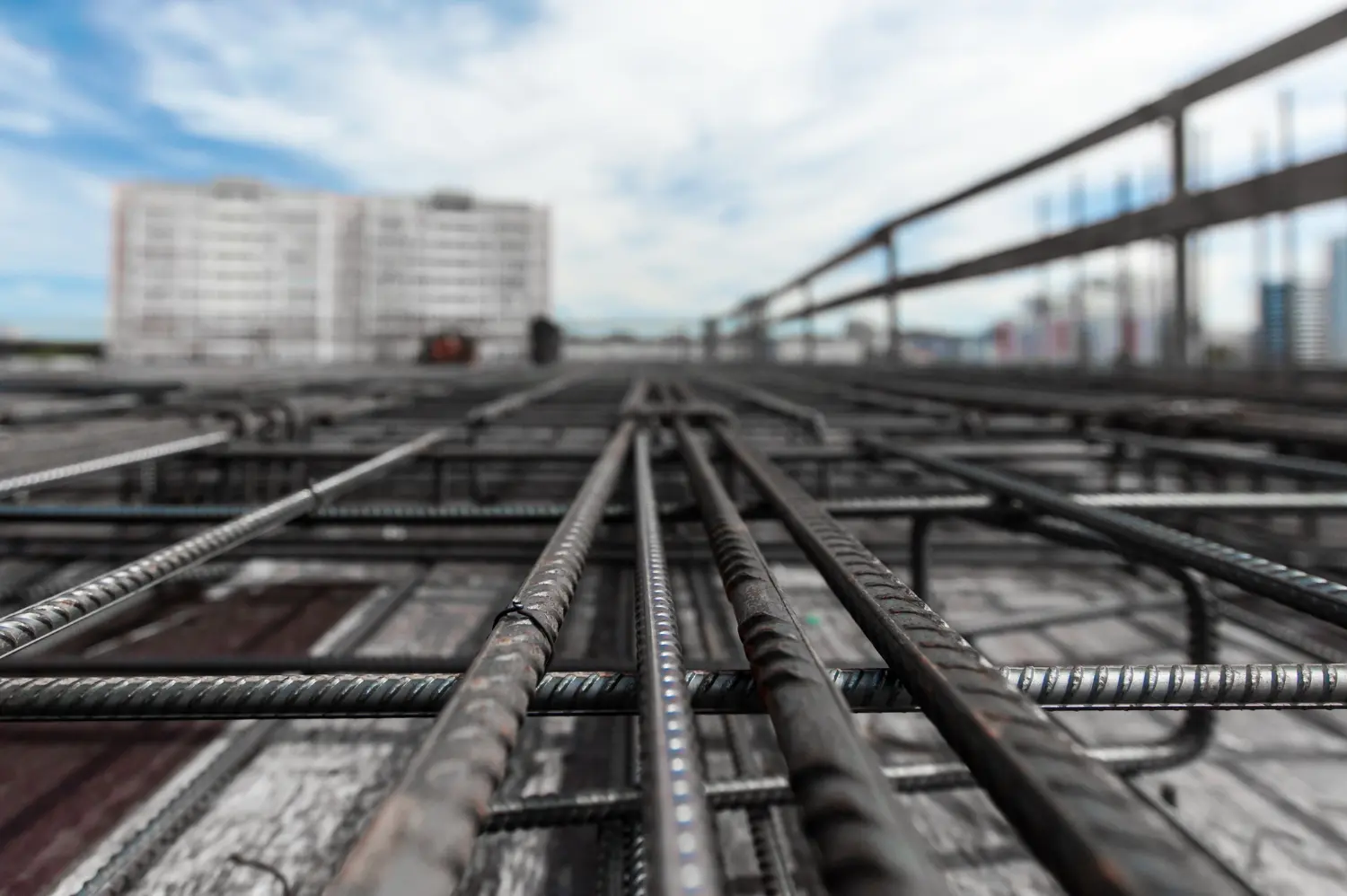
TMT bars are manufactured to meet demanding structural requirements, but their condition can still be affected by what happens after they leave the manufacturing facility.
Unloading, stacking, shifting, cutting, bending and transporting reinforcement around a construction site can all create opportunities for unnecessary damage, confusion or rework.
For contractors across Ahmedabad and Gujarat, better reinforcement handling can help improve site organisation, reduce avoidable material losses and keep construction activities moving according to schedule.
The solution does not necessarily involve buying different steel.
In many cases, it starts with better handling practices and better reinforcement planning.
German Steel manufactures TMT Bars and also provides Cut & Bend Solutions that can move a portion of reinforcement processing from the construction site into a controlled environment.
TMT bars can pass through several stages between delivery and installation.
Common sources of handling problems include:
Not every handling issue causes structural damage, but poor site practices can create unnecessary material handling, confusion and rework.
TMT bars are heavy and are often moved in bundles.
Dragging them across rough surfaces can create unnecessary abrasion and can also make site movement more difficult.
Where possible, reinforcement should be moved using appropriate lifting and handling methods rather than repeatedly dragging bundles across the construction area.
The objective is simple:
Move the steel without creating unnecessary damage or additional handling.
A construction project can contain multiple reinforcement diameters, grades and bar lengths.
If these are mixed together, workers can spend additional time identifying and separating the required bars.
Poor organisation can also increase the risk of using the wrong reinforcement for a particular location.
A better approach is to organise reinforcement according to the project's reinforcement schedule and clearly distinguish different bar sizes and requirements.
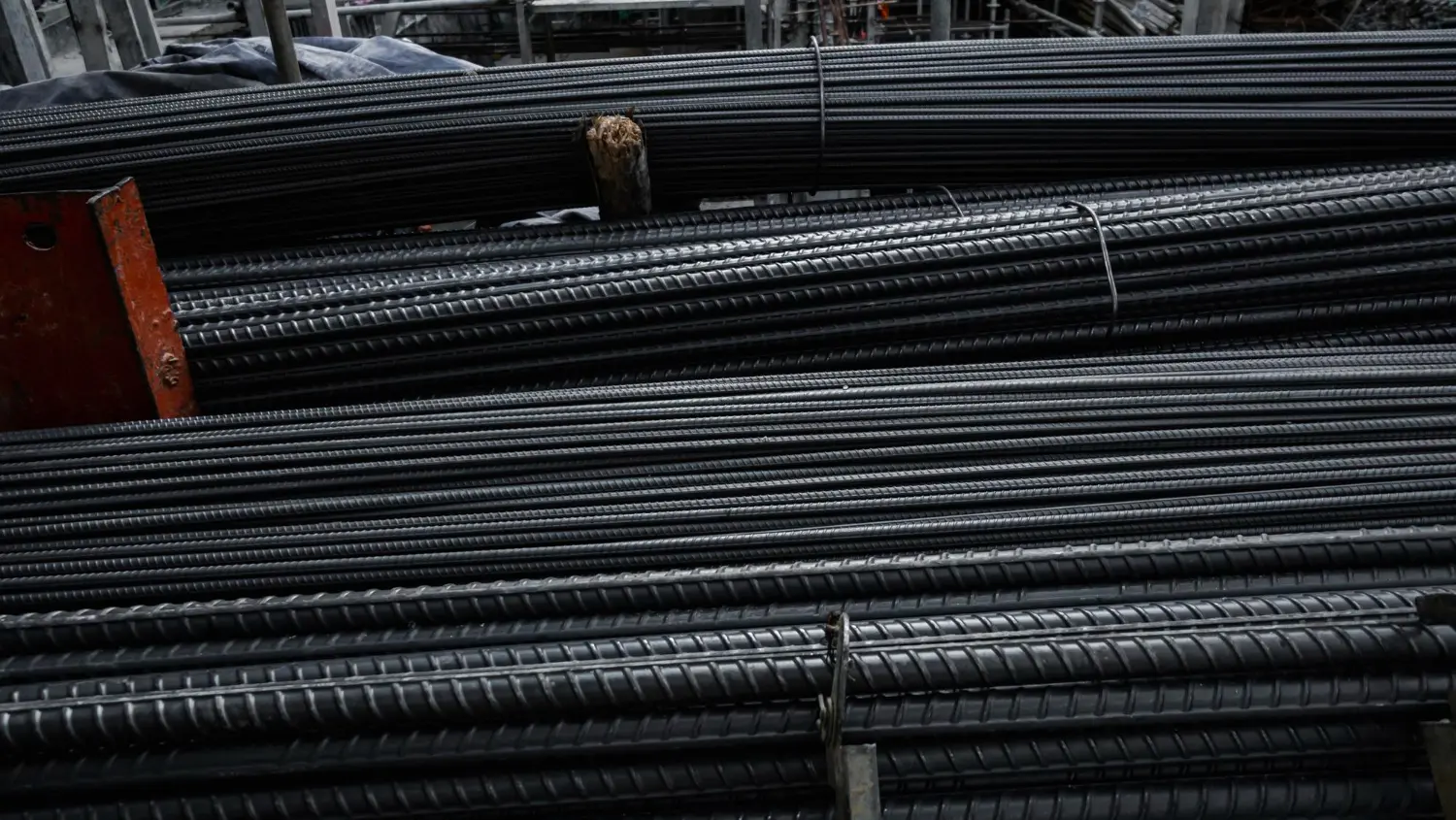
Reinforcement should be stored in a way that supports proper site management and prevents unnecessary exposure to water, mud and contaminants.
Keeping steel appropriately elevated can also make handling easier and improve drainage around the storage area.
This is particularly useful during Gujarat's monsoon season, when construction sites can experience repeated rainfall and wet conditions.
For more on managing reinforcement exposure at Ahmedabad construction sites, see Why TMT Bars Rust in Ahmedabad Construction—and How to Reduce Corrosion Risk.
The first handling stage is often the unloading process.
When heavy bundles are dropped, pushed or handled without suitable equipment, the process can become inefficient and potentially damage the material or surrounding site infrastructure.
Construction teams should establish a controlled unloading area and use suitable equipment and procedures for moving reinforcement.
This is especially important for large deliveries where multiple bundles may need to be moved quickly.
A site may simultaneously require 8 mm, 10 mm, 12 mm, 16 mm, 20 mm or larger reinforcement depending on the structural drawings.
When different diameters are stored together without clear organisation, identifying the correct bar can become unnecessarily difficult.
A simple identification and stacking system can reduce confusion and make reinforcement retrieval faster.
Traditional site-based reinforcement processing can create additional movement around the construction site.
Bars may need to be measured, cut, bent, checked, stored and then transported to the location where they will eventually be installed.
Every additional handling stage introduces opportunities for:
This is one reason more construction projects are considering factory-processed reinforcement.
German Steel's Cut & Bend Solutions allow reinforcement to be processed according to project requirements before it reaches the construction site.
Instead of bringing large quantities of straight bars to the site and carrying out all processing manually, reinforcement can be prepared according to the required bar shapes and dimensions.
This can help reduce the amount of:
Measuring → Cutting → Bending → Sorting → Rehandling
that needs to happen at the project location.
The existing German Steel article How German Steel's Cut & Bend Technology Is Transforming On-Site Construction Efficiency explores this approach in greater detail.
Good handling starts before the steel reaches the site.
Project teams can improve reinforcement management by understanding:
This reduces unnecessary movement and helps ensure steel reaches the right part of the project at the right time.
German Steel's existing article Why Reinforcement Planning Starts Long Before Construction Begins covers the importance of planning reinforcement before site execution.
Poor handling can create several practical problems.
If bars are incorrectly cut, bent or identified, they may need to be reprocessed or replaced.
Repeated shifting, sorting and processing can consume labour that could otherwise be used for installation and construction activities.
Unorganised reinforcement can require multiple rounds of shifting around the site.
When similar-looking reinforcement is mixed together, selecting the wrong diameter or shape becomes easier.
Large quantities of unprocessed steel can occupy valuable construction space.
These problems may not appear in the initial TMT quotation, but they can influence the overall efficiency of the project.
A practical reinforcement-handling system can include:
Plan the requirement: Match procurement with the reinforcement schedule.
Create designated storage areas: Keep reinforcement organised by size, grade and project requirement.
Use appropriate lifting equipment: Avoid unnecessary dragging and uncontrolled movement.
Maintain clear identification: Make it easy for workers to identify different reinforcement types.
Protect stored steel from unnecessary exposure: Especially during prolonged storage and monsoon conditions.
Minimise unnecessary processing at site: Consider Cut & Bend where it suits the project.
Coordinate delivery with construction schedules: Avoid bringing large quantities to site long before they are needed.
These steps can make reinforcement handling more systematic.
For Gujarat's construction industry, reinforcement is no longer simply a material procurement decision.
Contractors increasingly need to consider how steel will move through the project—from manufacturing to delivery, processing, storage and final installation.
German Steel offers TMT Bars for reinforced concrete construction and Cut & Bend Solutions for projects requiring factory-processed reinforcement.
The company's broader product portfolio also includes Epoxy Coated TMT Bars and CRS Green Steel for projects with different reinforcement and durability requirements.
This allows project teams to consider not only the steel itself, but also how reinforcement can be supplied and prepared according to project needs.
TMT bars are structural materials, but construction sites are complex working environments.
The way reinforcement is unloaded, stored, moved, processed and installed can influence the efficiency of the entire reinforcement operation.
For contractors in Ahmedabad and across Gujarat, the objective should be to minimise unnecessary handling while maintaining proper material identification, storage and quality control.
Factory-processed reinforcement can be one part of that strategy.
With German TMT Bars and German Cut & Bend Solutions, construction teams can choose a reinforcement supply approach that aligns with their project requirements and site execution strategy.
The better the reinforcement is planned and handled, the less time the construction team needs to spend correcting avoidable problems.
Yes. Uncontrolled unloading, dragging, poor stacking, incorrect cutting and bending, excessive movement and improper storage can create handling problems or damage.
Reinforcement should be organised by required specifications and stored using appropriate supports and site conditions that minimise unnecessary exposure to water, mud and contaminants.
Separating reinforcement by diameter and requirement makes identification easier and reduces the risk of selecting the wrong bar during construction.
Factory Cut & Bend can reduce the amount of measuring, cutting and bending that needs to be performed manually at the site. Its suitability depends on the project's reinforcement drawings, schedule and requirements.
Yes. German Steel provides Cut & Bend Solutions for projects requiring processed reinforcement.
Yes. German Steel manufactures TMT Bars as part of its Gujarat-based steel manufacturing operations.
[ Where we share insights, updates, and stories that matter in the world of construction and beyond. ]
Learn how to store TMT bars correctly at construction sites in Gujarat. Explore practical TMT storage, handling and reinforcement management practices for contractors.

Learn how to select TMT bars for high-rise buildings based on strength, ductility, bendability, bonding, corrosion resistance and project requirements.

.jpg)


.webp)