

How to Store TMT Bars at Construction Sites in Gujarat: A Practical Guide
September 8, 2026
June 11, 2026
Manufacturing capacity refers to the volume of products a facility can produce while maintaining quality standards, operational efficiency, and delivery commitments.
In steel manufacturing, capacity is influenced by:
For infrastructure projects, manufacturing capacity is not simply about producing larger quantities. It is about ensuring a consistent and dependable flow of materials throughout the project lifecycle.
Large construction and infrastructure projects often operate within tightly managed timelines.
Any disruption in material availability can create challenges such as:
As a result, procurement teams often evaluate a manufacturer's ability to support long-term project requirements rather than focusing solely on immediate supply needs.
Reliable manufacturing capacity helps projects maintain momentum while reducing supply-related risks.
Large infrastructure projects require more than quality materials—they require dependable manufacturing capacity and a supply chain capable of supporting project timelines at scale.
When evaluating manufacturing partners, procurement teams often assess installed production capacity, operational integration, and the ability to maintain consistent supply throughout a project's lifecycle.
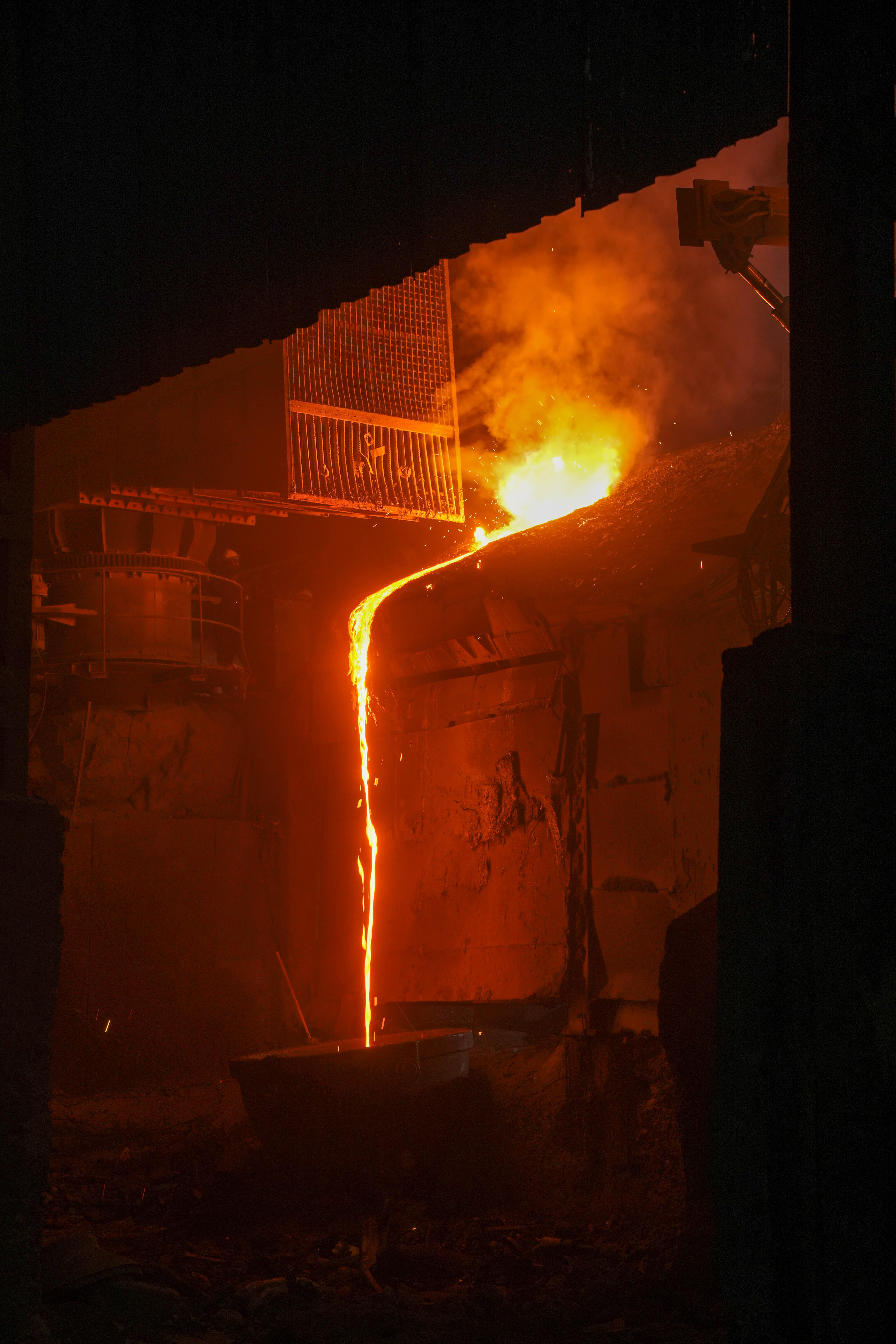
German Green Steel and Power Limited operates a vertically integrated steel manufacturing ecosystem across Gujarat through facilities located at Samakhiyali and Viramgam.
Its installed manufacturing capacities include:
These capacities are supported by an integrated manufacturing approach where key raw materials and intermediate products are produced within the same manufacturing ecosystem.
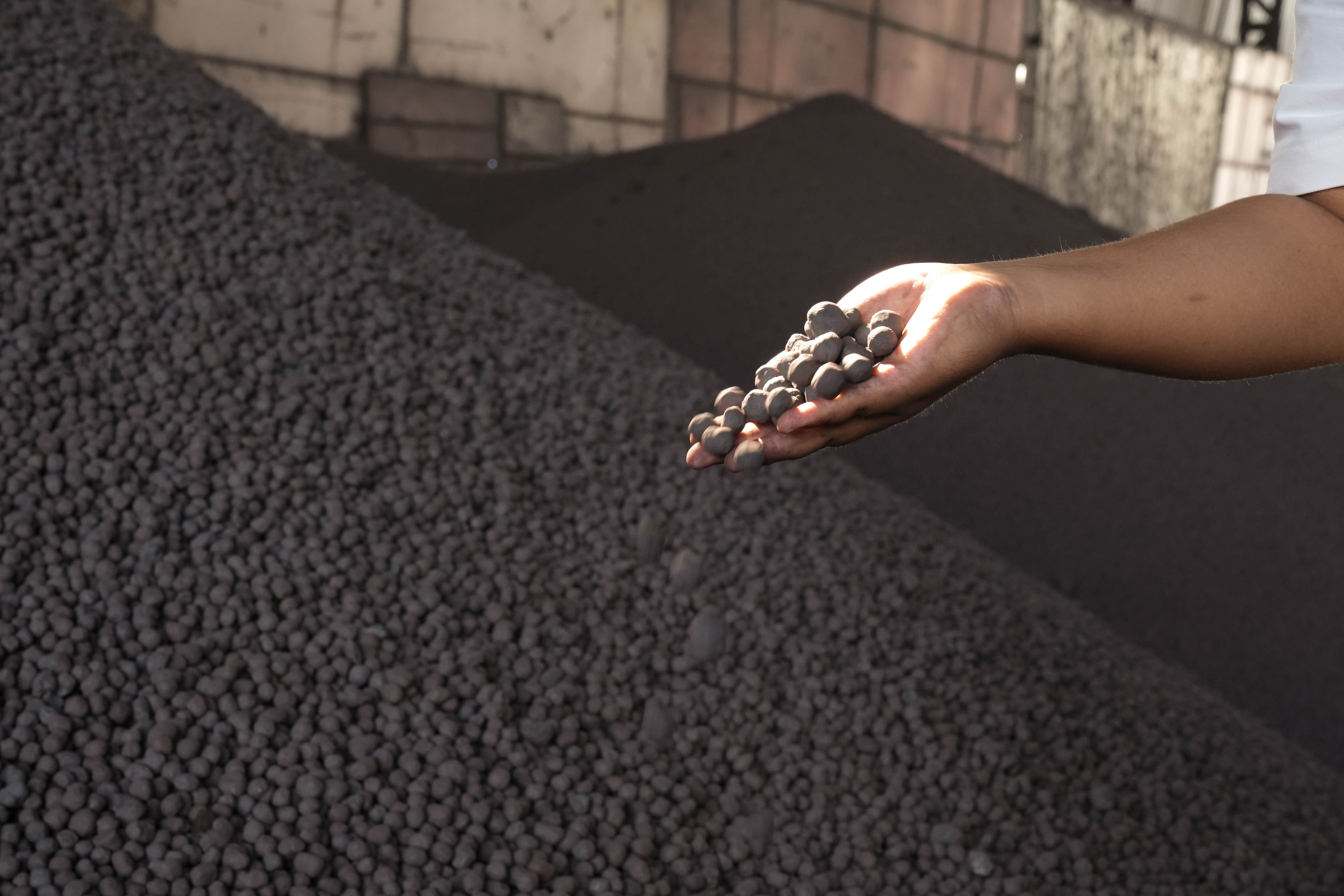
Products such as Sponge Iron and MS Billets form the foundation for finished reinforcement products including TMT Bars.
For procurement teams managing infrastructure, industrial, and large-scale construction projects, manufacturing scale can contribute to:
As projects continue to grow in complexity and scale, manufacturing capacity remains an important consideration when evaluating steel supply partners.
Infrastructure projects frequently benefit from working with manufacturers that maintain control across multiple stages of production.
Integrated manufacturing helps improve visibility and coordination between:
This approach supports greater consistency and operational efficiency throughout the supply chain.
Learn more about German Steel's manufacturing ecosystem and its integrated approach to steel production.
One of the most important aspects of infrastructure development is aligning material availability with project execution schedules.
Manufacturing partners with strong production capabilities can often support:
This becomes particularly valuable for multi-phase projects that require consistent material availability over extended periods.
Modern construction projects increasingly require more than standard material supply.
Advanced processing solutions can help improve efficiency throughout the project lifecycle.
For example, Cut & Bend Services allow reinforcement steel to be delivered according to approved project specifications, helping reduce on-site processing requirements.
Benefits can include:
When manufacturing and processing capabilities operate together, project teams can often achieve greater efficiency and coordination.
Modern steel manufacturing increasingly focuses on balancing production requirements with operational efficiency.
The company's manufacturing operations are supported through a combination of:
By utilizing recovered energy and diversified power sources, manufacturing operations can improve energy utilization while supporting long-term production requirements.
This approach aligns with broader industry efforts toward resource efficiency and sustainable manufacturing practices.
Learn more about these initiatives through German Green Steel.
Sustainability is becoming an increasingly important consideration across infrastructure and industrial projects.
Modern manufacturers are focusing on:
These initiatives help support the growing demand for responsible construction materials while improving operational efficiency.
As sustainability requirements continue to evolve, procurement teams are increasingly considering environmental factors alongside traditional performance criteria.
For many developers, EPC contractors, and infrastructure companies, supplier relationships extend far beyond a single project.
Manufacturers that demonstrate operational strength, scalability, and supply reliability are often better positioned to support long-term partnerships across multiple developments.
The ability to consistently meet project requirements can help build confidence throughout the procurement process while supporting successful project execution.
Manufacturing capacity plays a critical role in supporting infrastructure supply chains, procurement planning, and project execution.
Beyond production volume, it reflects a manufacturer's ability to maintain consistency, reliability, quality, and operational performance while meeting evolving project requirements.
As infrastructure development continues to expand across India, manufacturing capability will remain an important consideration for procurement teams seeking dependable supply partners, efficient project execution, and long-term supply chain stability.
Manufacturing capacity refers to the volume of steel products a facility can produce while maintaining quality standards and operational efficiency.
It helps ensure reliable material availability, supports project schedules, and reduces the risk of supply disruptions.
Integrated manufacturing improves coordination between raw material production, processing, and finished product manufacturing, helping maintain quality and supply continuity.
Capacity helps determine whether a manufacturer can consistently support project requirements, delivery schedules, and long-term supply commitments.
Energy-efficient operations help optimize resources, improve operational efficiency, and support sustainable manufacturing objectives.
[ Where we share insights, updates, and stories that matter in the world of construction and beyond. ]
Learn how to store TMT bars correctly at construction sites in Gujarat. Explore practical TMT storage, handling and reinforcement management practices for contractors.

Learn how to select TMT bars for high-rise buildings based on strength, ductility, bendability, bonding, corrosion resistance and project requirements.

.jpg)


.webp)