

How to Store TMT Bars at Construction Sites in Gujarat: A Practical Guide
September 8, 2026
June 17, 2026
Corrosion management has become an increasingly important consideration in modern construction projects. Whether the project involves industrial facilities, infrastructure developments, logistics parks, coastal structures, or commercial buildings, durability often plays a significant role in reinforcement planning.
As a result, project stakeholders frequently evaluate reinforcement solutions designed to support long-term performance in demanding environments.
Two commonly discussed options are CRS Green Steel and Epoxy.
While both are associated with corrosion protection, they achieve it through different approaches.
Understanding these differences can help engineers, consultants, contractors, and procurement teams make more informed decisions during project planning.
Reinforced concrete structures are expected to perform for decades.
Throughout their lifecycle, structures may be exposed to:
These environmental conditions are often considered when evaluating reinforcement strategies.
As projects increasingly focus on long-term durability, corrosion protection has become an important part of the overall design and planning process.
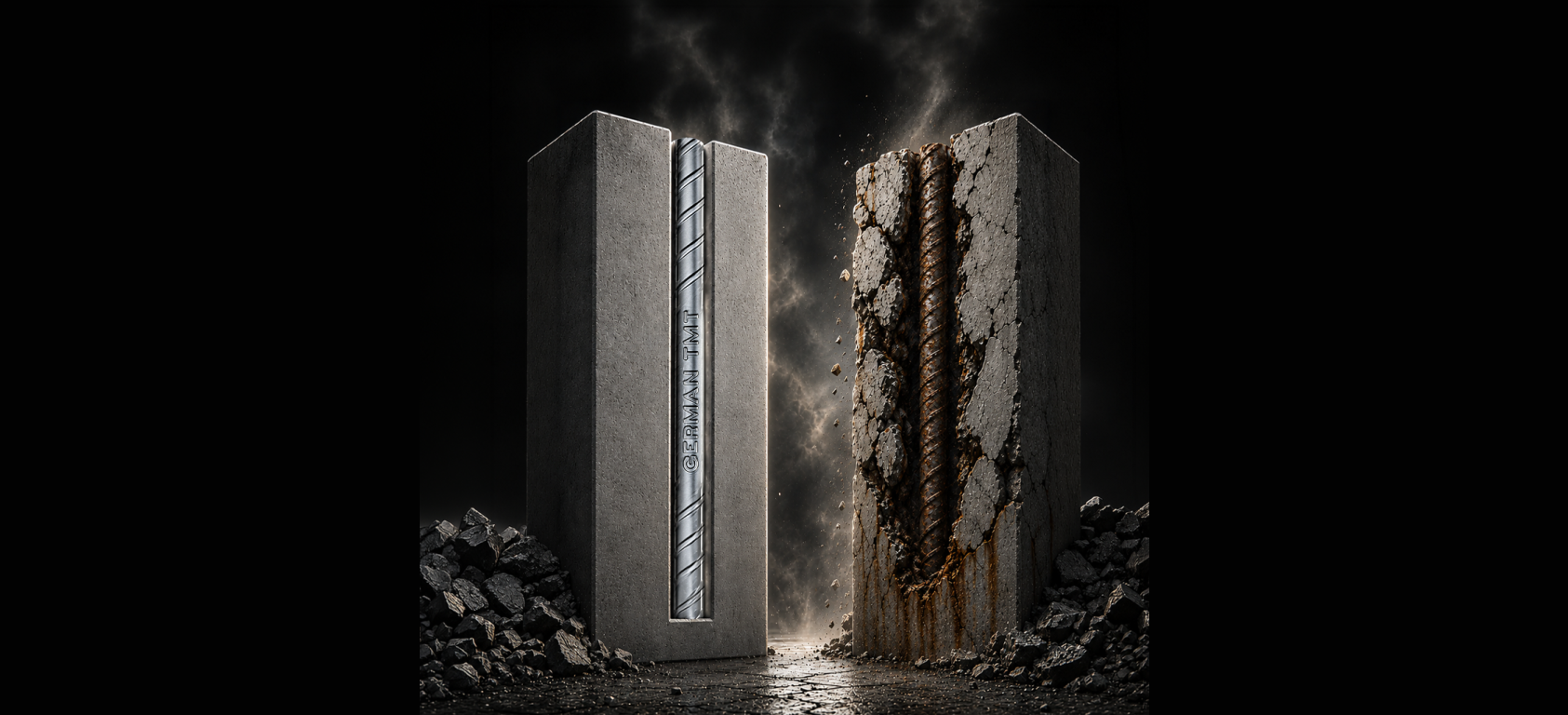
Corrosion Resistant Steel (CRS) is designed to provide enhanced resistance to corrosion through the steel itself.
Rather than relying on an external protective layer, corrosion resistance is incorporated into the material through its composition and manufacturing characteristics.
This makes solutions such as CRS Green Steel a common consideration for projects where durability and lifecycle performance are important priorities.
CRS Steel is often discussed in relation to:
Epoxy Coated Reinforcement uses a protective coating applied to the surface of reinforcement steel.
The coating acts as an additional barrier between the steel and environmental exposure.
Products such as Epoxy are frequently evaluated for projects requiring additional corrosion protection measures as part of their durability planning approach.
Common applications include:
The most important distinction lies in how corrosion protection is achieved.
Corrosion resistance is integrated into the steel itself.
Corrosion protection is achieved through a protective coating applied to the reinforcement surface.
Both approaches aim to support durability objectives but utilize different mechanisms to address corrosion-related challenges.
Most engineers do not ask which product is universally better.
Instead, they evaluate which solution aligns most effectively with project-specific requirements.
The operating environment often influences reinforcement selection.
Project teams may evaluate:
Projects designed for long-term operation frequently place greater emphasis on durability planning.
Service life expectations often influence reinforcement strategy discussions.
Engineering specifications remain one of the most important factors influencing reinforcement selection.
Material decisions are typically aligned with approved project designs and technical requirements.
Long-term maintenance considerations may also influence material selection.
Project teams often assess how reinforcement solutions align with broader maintenance and asset management objectives.
While corrosion management is important, project stakeholders often evaluate multiple factors simultaneously.
These may include:
For this reason, reinforcement planning often involves balancing several project objectives rather than focusing on a single characteristic.
In addition to reinforcement selection, construction efficiency remains an important consideration.
Many projects combine reinforcement procurement with Cut & Bend Services, allowing steel to be processed according to approved project specifications before arriving on-site.
Potential advantages include:
As project complexity increases, integrated reinforcement solutions are becoming increasingly common.
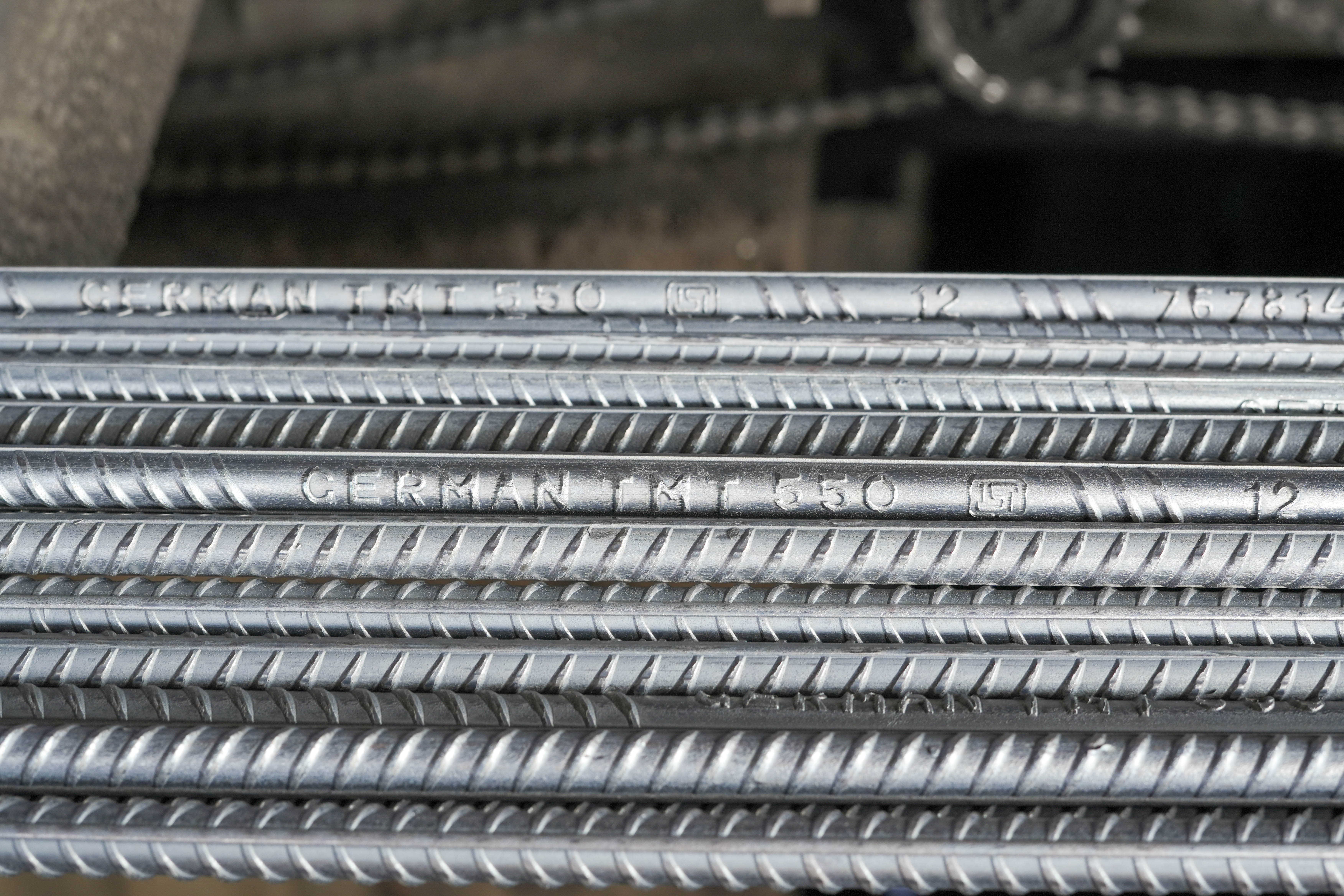
Corrosion protection solutions are often discussed alongside core reinforcement materials such as TMT Bars.
TMT Bars continue to play a critical role in reinforced concrete construction across infrastructure, industrial, commercial, and institutional applications.
Depending on project requirements, stakeholders may evaluate TMT Bars alongside CRS Steel and Epoxy Coated Reinforcement as part of their overall reinforcement strategy.
As infrastructure and industrial development continue to expand, durability is expected to remain a key focus area across the construction industry.
Project teams are increasingly evaluating reinforcement solutions through the lens of:
This trend is likely to drive continued interest in corrosion-resistant reinforcement solutions.
Both CRS Green Steel and Epoxy are commonly evaluated when corrosion protection is an important consideration in construction projects.
The key difference lies in how corrosion resistance is achieved—CRS Steel incorporates resistance within the steel itself, while Epoxy Coated Reinforcement uses an external protective coating.
The most appropriate solution depends on project-specific factors such as environmental conditions, durability objectives, engineering requirements, and lifecycle expectations.
As modern construction projects increasingly prioritize long-term performance, understanding these differences helps support more informed reinforcement planning decisions.
CRS Steel is corrosion resistant reinforcement designed to support durability-focused construction applications.
Epoxy Coated Reinforcement is reinforcement steel with a protective coating applied to its surface to provide an additional corrosion protection layer.
CRS Steel incorporates corrosion resistance within the steel itself, while Epoxy Coated Reinforcement relies on a protective external coating.
Infrastructure, industrial, coastal, marine, logistics, and commercial projects frequently evaluate corrosion resistant reinforcement solutions.
Environmental conditions, service life objectives, structural requirements, maintenance planning, and project specifications all influence reinforcement selection.
[ Where we share insights, updates, and stories that matter in the world of construction and beyond. ]
Learn how to store TMT bars correctly at construction sites in Gujarat. Explore practical TMT storage, handling and reinforcement management practices for contractors.

Learn how to select TMT bars for high-rise buildings based on strength, ductility, bendability, bonding, corrosion resistance and project requirements.

.jpg)


.webp)