

How to Store TMT Bars at Construction Sites in Gujarat: A Practical Guide
September 8, 2026
June 15, 2026
Concrete performs exceptionally well under compression, while reinforcement steel helps structures manage tensile forces and stresses.
Together, concrete and reinforcement create structural systems capable of supporting a wide range of applications.
The effectiveness of this relationship depends on the performance characteristics of the reinforcement itself.
As project complexity increases, reinforcement selection becomes increasingly important for long-term structural outcomes.
One of the most commonly evaluated characteristics of reinforcement steel is strength.
Strength influences how reinforcement responds to loads applied during the life of a structure.
Projects may experience:
Appropriate reinforcement strength helps support engineering requirements while contributing to overall structural performance.
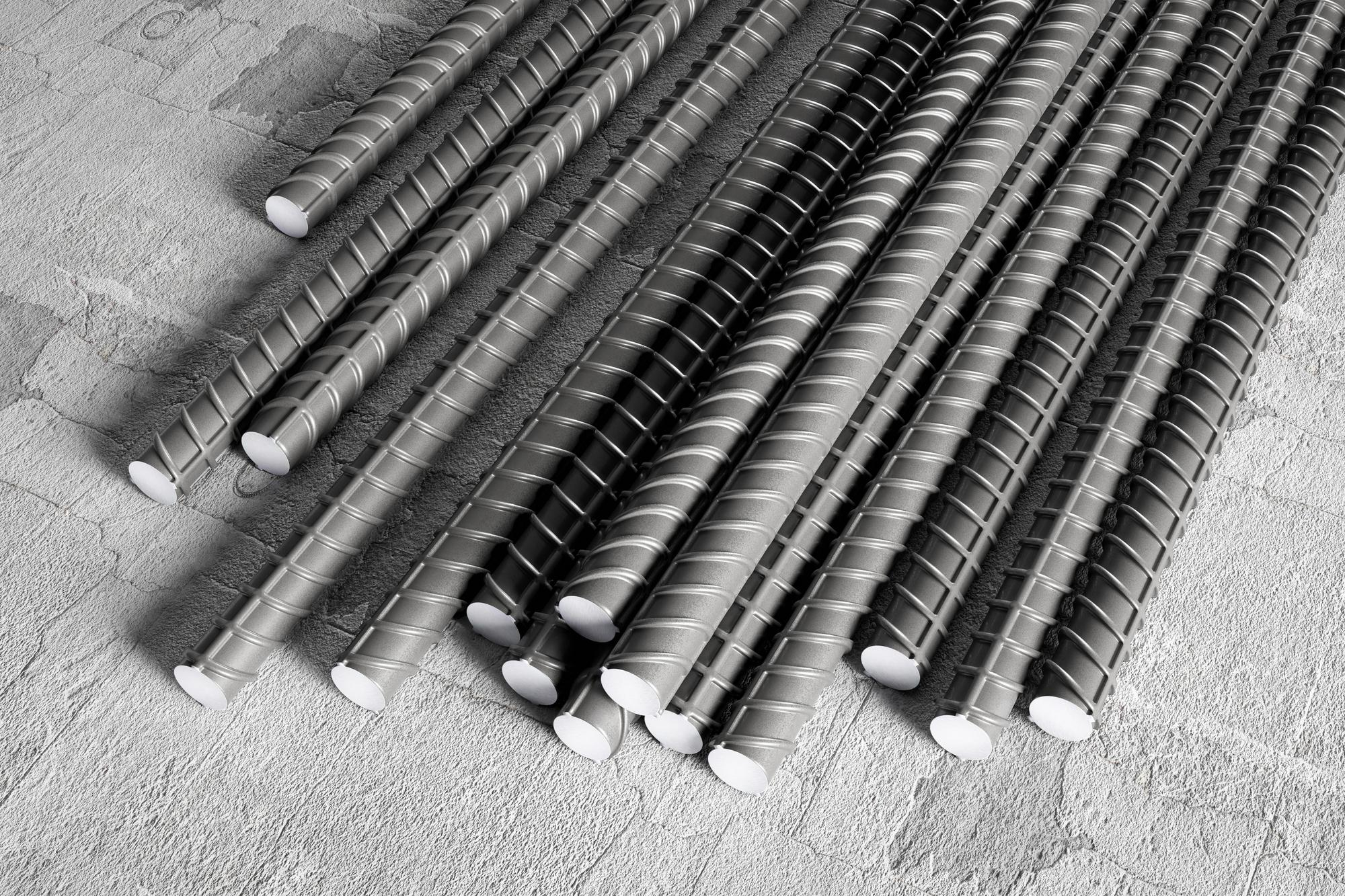
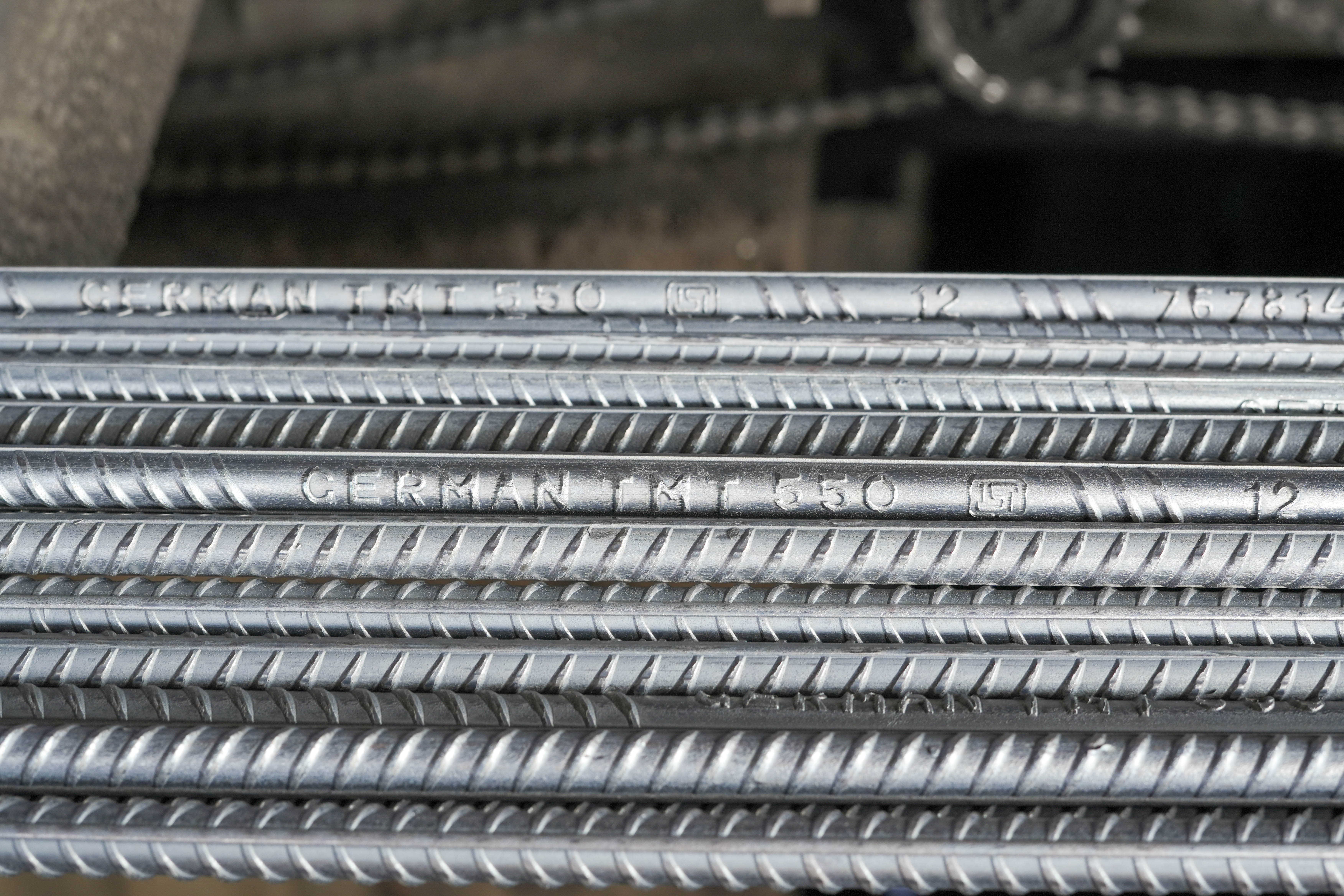
Modern TMT Bars are widely used across construction applications because of their role in reinforced concrete systems.
Strength alone does not determine reinforcement performance.
Ductility is equally important because it influences how reinforcement behaves under changing loads and stresses.
Ductile reinforcement can help support:
For engineers, achieving an appropriate balance between strength and ductility is often a key consideration.
Environmental exposure can significantly influence long-term reinforcement performance.
Factors often evaluated include:
For projects operating in demanding environments, durability considerations become increasingly important.
Solutions such as CRS Green Steel may be considered when corrosion resistance forms part of a project's long-term durability strategy.
Certain applications require additional reinforcement protection measures.
For example, projects located in coastal regions, industrial environments, or water-related applications may evaluate Epoxy Coated TMT Bars as part of their reinforcement strategy.
Protective reinforcement solutions are often assessed based on:
Material selection remains dependent on project-specific conditions.
Performance is not determined solely by material properties.
Consistency in manufacturing also plays an important role.
Project stakeholders often evaluate:
Consistent manufacturing helps support greater confidence in reinforcement performance across different project phases.
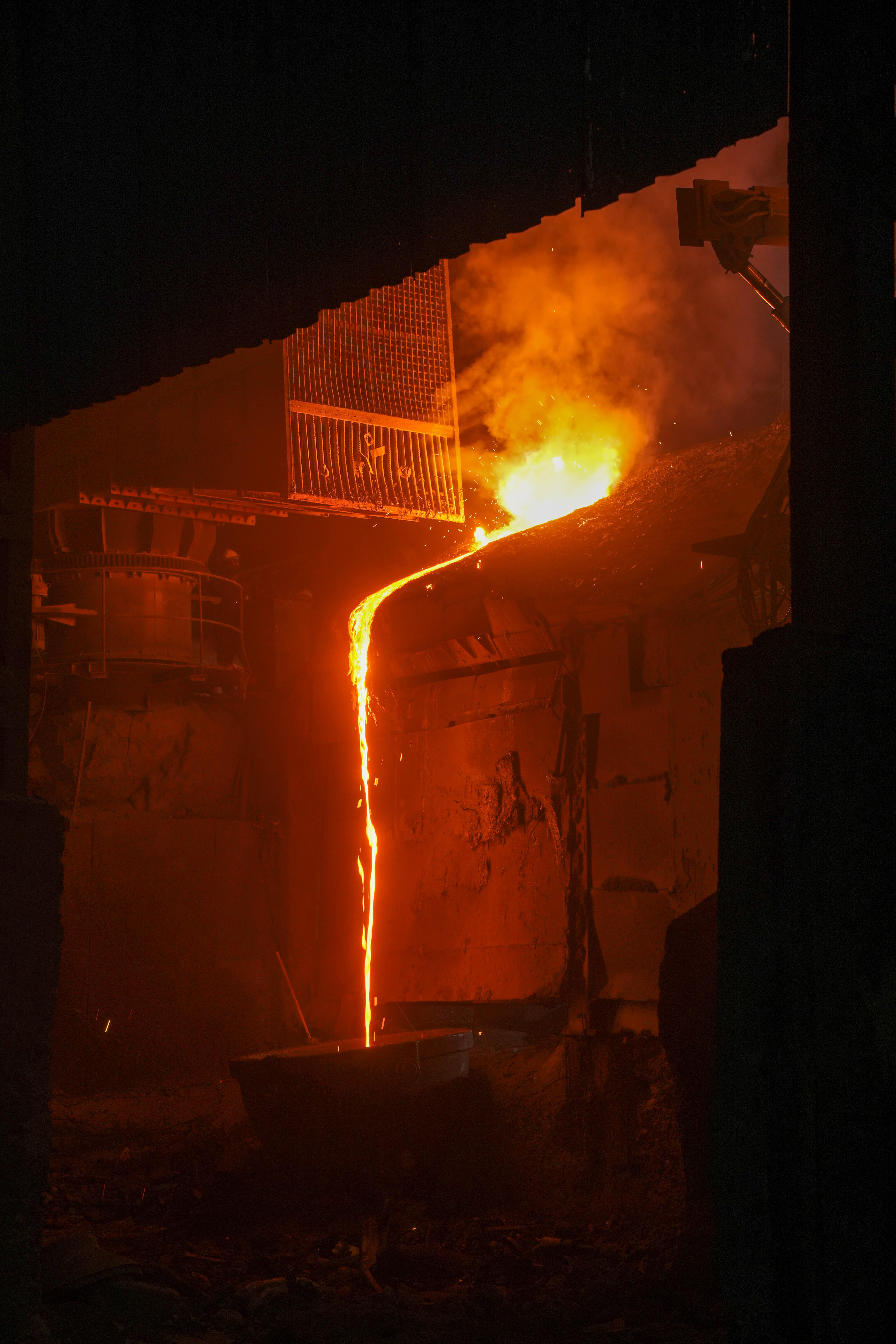
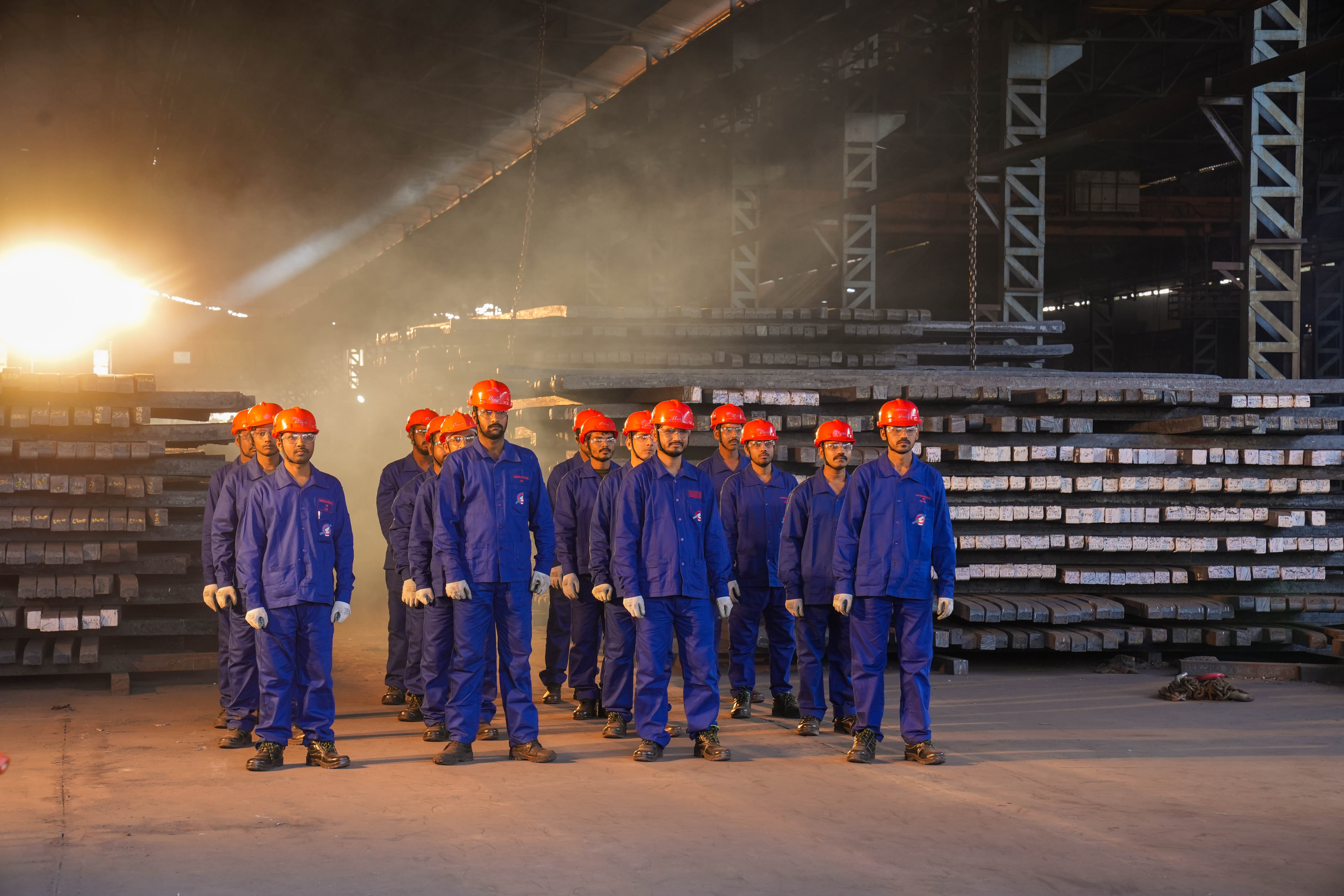
Learn more about German Steel's manufacturing ecosystem and its integrated approach to steel production.
Even high-quality reinforcement materials benefit from accurate preparation and installation.
Services such as Cut & Bend Solutions help improve project execution by delivering reinforcement processed according to approved project specifications.
Potential advantages include:
These efficiencies contribute to smoother construction workflows.
Every construction project presents unique requirements.
Factors commonly evaluated during reinforcement selection include:
Engineering specifications determine reinforcement requirements for different applications.
Operating environments influence durability planning and material selection.
Projects designed for long-term operation often evaluate durability-related considerations more closely.
Project execution requirements may influence reinforcement and processing decisions.
Lifecycle planning increasingly influences material selection discussions.
Because each project is different, reinforcement selection remains a project-specific process.
Modern construction increasingly focuses on how structures perform after completion.
Project stakeholders often evaluate:
This broader perspective is helping shape reinforcement strategies across multiple construction sectors.
As engineering requirements continue to evolve, reinforcement materials are expected to support increasingly complex project objectives.
Future priorities are likely to include:
Understanding the factors that influence reinforcement performance helps project teams align material selection with these evolving expectations.
TMT Bar performance is influenced by a combination of strength, ductility, durability, manufacturing consistency, processing accuracy, and project-specific requirements.
Rather than evaluating a single characteristic in isolation, engineers and project stakeholders often consider how multiple factors work together to support structural performance and long-term project goals.
Modern reinforcement solutions such as TMT Bars, CRS Green Steel, Epoxy Coated TMT Bars, and Cut & Bend Services continue to support the evolving needs of infrastructure, industrial, commercial, and construction projects.
Strength, ductility, durability, manufacturing consistency, environmental conditions, and installation quality all contribute to reinforcement performance.
Ductility helps reinforcement respond to changing loads and stresses while supporting structural adaptability.
Factors such as moisture, humidity, industrial pollutants, and coastal exposure can influence long-term durability considerations.
Consistent manufacturing helps maintain quality, reliability, and predictable performance across different project phases.
Cut & Bend Services improve processing accuracy, reduce wastage, and support efficient project execution.
[ Where we share insights, updates, and stories that matter in the world of construction and beyond. ]
Learn how to store TMT bars correctly at construction sites in Gujarat. Explore practical TMT storage, handling and reinforcement management practices for contractors.

Learn how to select TMT bars for high-rise buildings based on strength, ductility, bendability, bonding, corrosion resistance and project requirements.


.jpg)


.webp)