

How to Store TMT Bars at Construction Sites in Gujarat: A Practical Guide
September 8, 2026
April 2, 2026
In modern construction, strength, safety, and durability are non-negotiable. Whether you are building a home, commercial space, or industrial structure, the foundation depends heavily on the quality of materials used. One of the most critical components in reinforced concrete structures is TMT (Thermo-Mechanically Treated) bars, and choosing a high-quality TMT bars supplier plays a crucial role in ensuring strength, durability, and long-term safety of the structure.
This guide will help you understand everything about TMT bars, including their types—Fe 550, Fe 550D, and Fe 550D CRS, their benefits, and where they are best used.
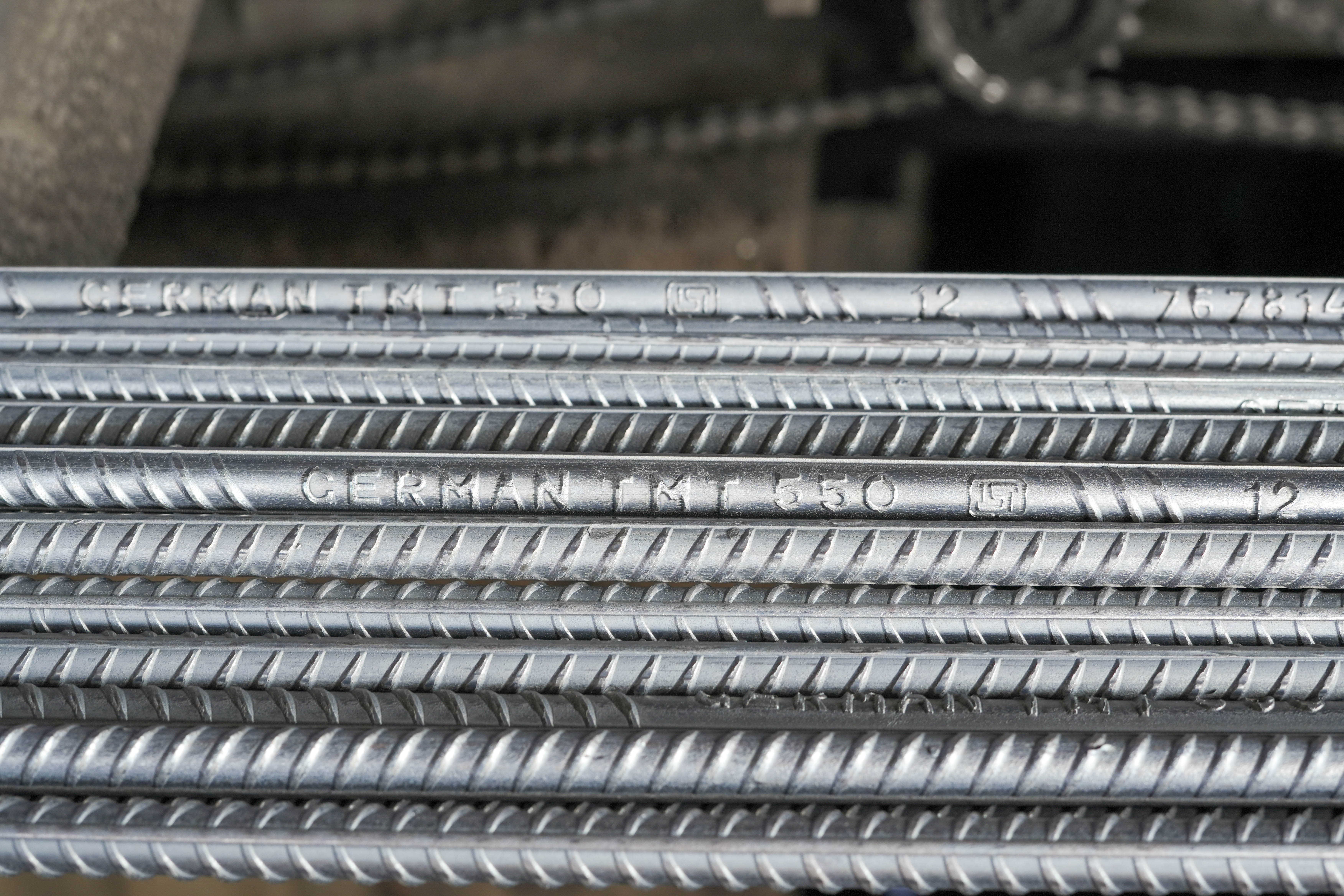
TMT bars are high-strength reinforcement bars manufactured through a special thermo-mechanical process. This process gives them a tough outer surface and a soft inner core, making them both strong and flexible.
Unlike traditional steel bars, TMT bars offer:
Because of these properties, TMT bars are widely used in modern construction projects.
TMT bars are high-strength reinforcement bars manufactured through a special thermo-mechanical process. This process gives them a tough outer surface and a soft inner core, making them both strong and flexible.
Unlike traditional steel bars, TMT bars offer:
Because of these properties, TMT bars are widely used in modern construction projects.
Understanding the different grades of TMT bars is crucial for selecting the right material for your project.
Fe 550 bars are known for their high yield strength of 550 N/mm².
Key Features:
If your project requires strength over flexibility, Fe 550 is a solid choice.
The “D” stands for ductility, meaning these bars can bend more without breaking.
Key Features:
Fe 550D is ideal where both strength and flexibility are important.
CRS stands for Corrosion Resistant Steel. These Fe 550D CRS TMT bars are specially designed to withstand harsh environmental conditions.
Key Features:
If durability and long-term performance are your priority, Fe 550D CRS is the best option.
TMT bars offer several advantages that make them the preferred choice in construction.
TMT bars can handle heavy loads, ensuring structural stability even under extreme conditions.
Their ductile nature allows them to absorb shocks, making them ideal for earthquake-resistant structures.
Advanced grades like Fe 550D CRS provide protection against rust, increasing the lifespan of structures.
TMT bars can withstand high temperatures, reducing the risk of structural damage during fire incidents.
Their ribbed surface ensures a strong grip with concrete, enhancing overall structural integrity.
Though slightly higher in upfront cost, they reduce maintenance and repair expenses over time.
TMT bars are used across a wide range of construction projects.
For homes, Fe 550D is often preferred due to its flexibility and safety.
Fe 550 bars are commonly used for their strength.
These require high-strength bars like Fe 550.
Durability and load-bearing capacity are key here.
Fe 550D CRS is the best choice due to corrosion resistance.
Selecting the right TMT bar depends on several factors:
Balance between cost and long-term durability.
Using low-quality steel can compromise the entire structure. High-quality TMT bars ensure:
Always choose a trusted supplier that guarantees certified and tested materials.
TMT bars are the backbone of modern construction, offering unmatched strength, flexibility, and durability. Whether you choose Fe 550, Fe 550D, or Fe 550D CRS, the right selection depends on your project requirements and environmental conditions.
By understanding these differences, you can make informed decisions that ensure the safety and longevity of your construction.
[ Where we share insights, updates, and stories that matter in the world of construction and beyond. ]
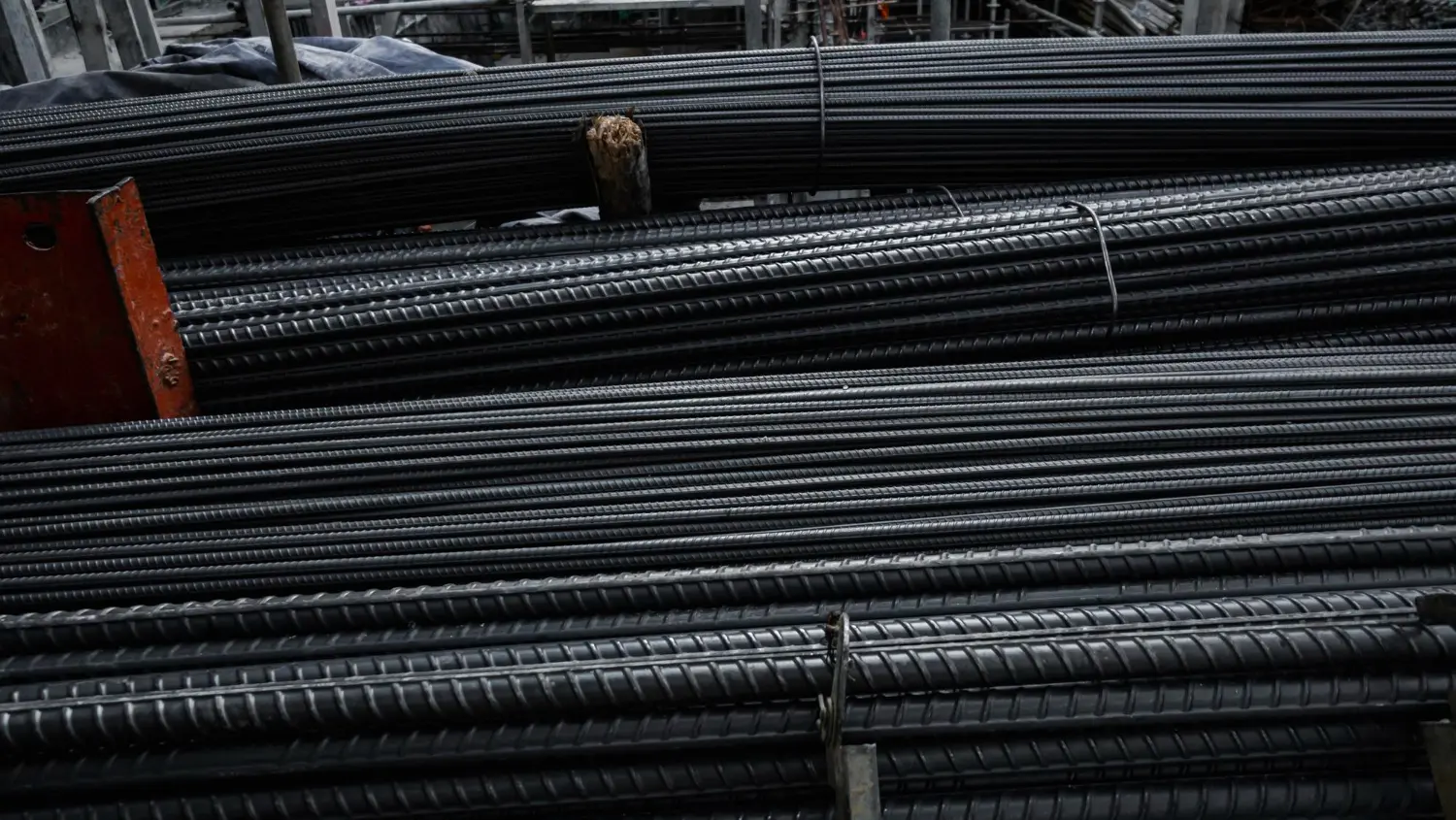
Learn how to store TMT bars correctly at construction sites in Gujarat. Explore practical TMT storage, handling and reinforcement management practices for contractors.

Learn how to select TMT bars for high-rise buildings based on strength, ductility, bendability, bonding, corrosion resistance and project requirements.

.jpg)


.webp)