

How to Store TMT Bars at Construction Sites in Gujarat: A Practical Guide
September 8, 2026
June 24, 2026
The steel industry is undergoing a significant transformation.
Traditionally, discussions around steel manufacturing focused primarily on production capacity, operational efficiency, product quality, and supply capabilities. While these factors remain essential, manufacturers today are increasingly being evaluated through a broader lens that includes sustainability, resource management, and environmental responsibility.
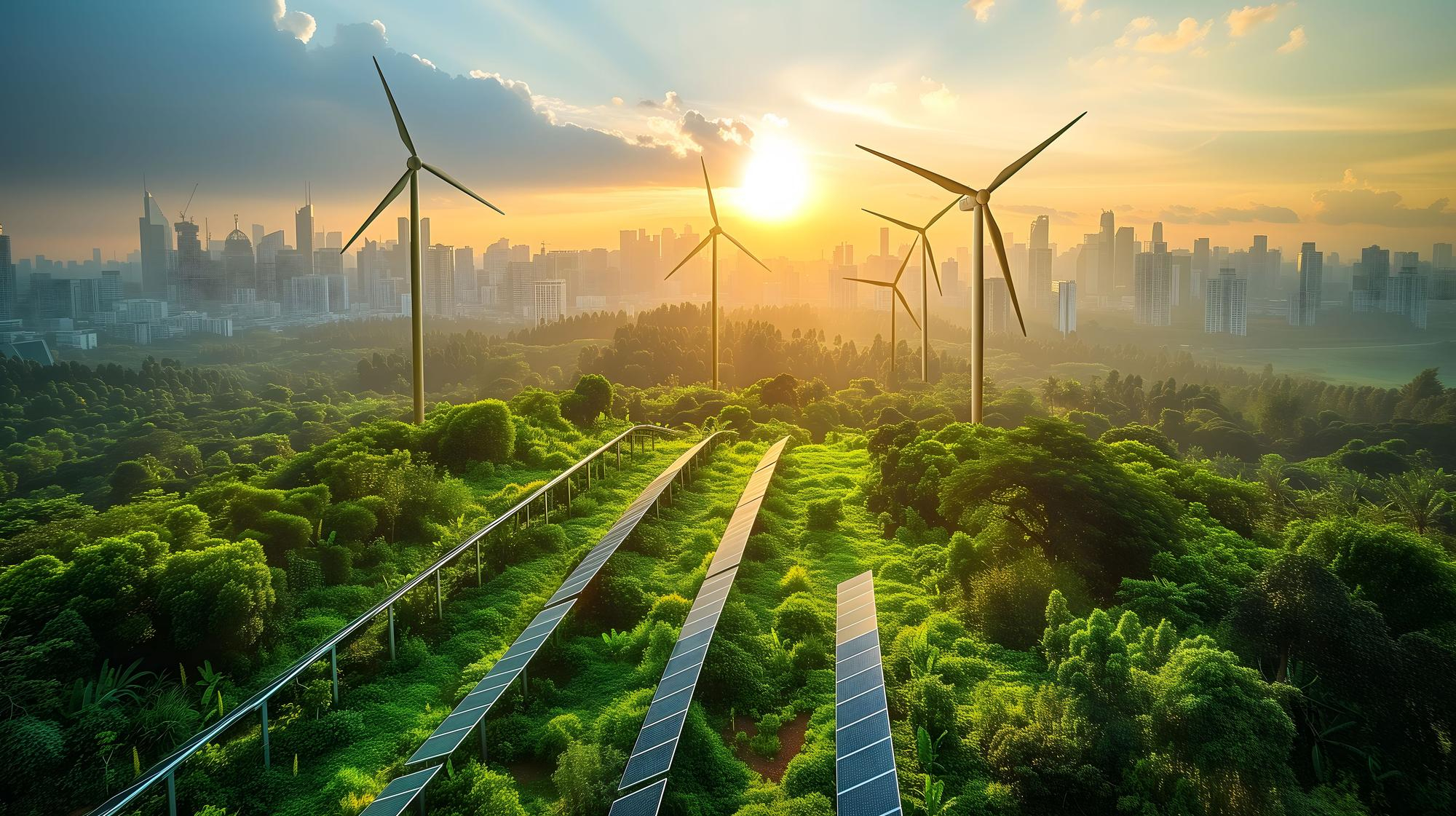
One of the most significant developments driving this change is the growing adoption of renewable energy.
Across the world, steel manufacturers are investing in cleaner and more efficient energy solutions as part of their long-term sustainability strategies.
Steel manufacturing is one of the most energy-intensive industrial sectors.
Energy supports a wide range of activities including:
As manufacturing demands continue to increase, improving energy efficiency has become an important operational objective.
This has encouraged manufacturers to explore alternative energy sources that can support both productivity and sustainability goals.
Renewable energy has become an increasingly important component of industrial growth strategies.
Manufacturers across multiple sectors are investing in:
The objective is not simply reducing energy consumption but creating more resilient and sustainable manufacturing ecosystems.
This transition is helping reshape how industrial facilities approach long-term growth and resource planning.
Several factors are contributing to increased renewable energy adoption across the manufacturing sector.
These include:
As industries continue to modernize, renewable energy is becoming an increasingly important part of industrial strategy.
Wind energy has emerged as one of the most widely adopted renewable energy sources across industrial operations.
For manufacturers, wind energy can contribute to:
As renewable energy infrastructure continues to expand, wind power is expected to play an increasingly important role in supporting industrial operations.
Solar energy is also becoming a significant contributor to industrial sustainability initiatives.
Manufacturing facilities are increasingly integrating solar power into their broader energy strategies.
Benefits often associated with solar energy include:
As solar technology continues to evolve, adoption across industrial sectors is expected to grow further.
Beyond renewable energy generation, manufacturers are increasingly focusing on energy efficiency.
One area receiving considerable attention is waste heat recovery.
Waste heat recovery systems capture and utilize energy generated during industrial processes that might otherwise be lost.
These systems can help support:
As manufacturers seek greater efficiency, waste heat recovery is becoming an increasingly important part of industrial energy strategies.
Today's steel manufacturers are expected to balance multiple priorities simultaneously.
These include:
As a result, sustainability is increasingly becoming integrated into manufacturing decisions rather than being treated as a separate initiative.
At German Steel, sustainability forms an important part of the company's long-term manufacturing vision.
With manufacturing operations in Kutch and Samakhiyali, Gujarat, the company has invested in renewable energy initiatives including wind and solar power generation to support more efficient and environmentally conscious manufacturing operations.
The company also utilizes waste heat recovery systems that help improve energy utilization across its manufacturing facilities.
Alongside renewable energy initiatives, German Steel places significant emphasis on responsible resource management through water conservation efforts, dedicated water reserves, and operational practices focused on long-term sustainability.
These initiatives support the manufacturing ecosystem behind products such as TMT Bars, CRS Green Steel, Epoxy Coated TMT Bars, and advanced Cut & Bend Solutions.
By integrating sustainability into manufacturing operations, German Steel reflects a broader industry movement toward responsible growth and resource-conscious industrial development.
Manufacturing facilities around the world are increasingly recognizing that long-term success depends on more than production output alone.
Future-ready industrial operations are expected to place greater emphasis on:
Renewable energy is likely to remain a central part of this transformation.
As industries continue to evolve, renewable energy will play an increasingly important role in shaping the future of manufacturing.
Investments in wind energy, solar power, waste heat recovery, and resource-efficient technologies are helping manufacturers build more resilient and sustainable operations.
For the steel industry, these developments represent an opportunity to align manufacturing excellence with environmental responsibility while supporting the infrastructure and construction sectors that drive economic growth.
Renewable energy is becoming an increasingly important component of modern steel manufacturing.
Through investments in wind power, solar energy, waste heat recovery, and resource-efficient operations, manufacturers are building more sustainable industrial ecosystems capable of supporting long-term growth.
As sustainability expectations continue to evolve, renewable energy will remain a key factor influencing the future of steel manufacturing and industrial development.
[ Where we share insights, updates, and stories that matter in the world of construction and beyond. ]
Learn how to store TMT bars correctly at construction sites in Gujarat. Explore practical TMT storage, handling and reinforcement management practices for contractors.

Learn how to select TMT bars for high-rise buildings based on strength, ductility, bendability, bonding, corrosion resistance and project requirements.

.jpg)


.webp)