

How to Store TMT Bars at Construction Sites in Gujarat: A Practical Guide
September 8, 2026
September 4, 2025
Making steel takes a lot of energy. It has historically been associated with significant carbon emissions and environmental consequences. But things are changing, and so are we. Sustainability isn't just a buzzword for us; it's a promise. GermanSteel is leading the way in making green steel by lowering its carbon footprint, using renewable energy, and making sure its operations are good for the environment.
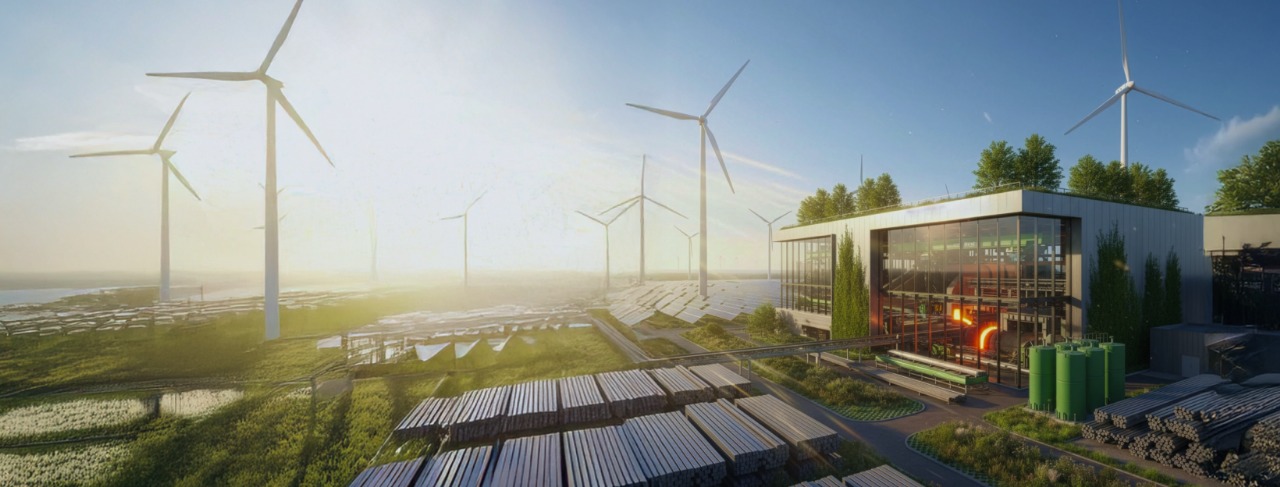
How we make energy is a big part of our mission to be more sustainable. We don't just rely on traditional sources of power at GermanSteel. We have instead put money into:
● Bhavnagar and Bharuch have hybrid solar and wind power plants.
● Waste Heat Recovery Systems that collect energy from our processes and use it again
● Captive Power Plants that make sure things run smoothly and cut down on the need for fossil fuels
By combining these technologies, we are not only cutting down on emissions, but we are also making sure that our steel production has a steady supply of clean energy.
It's not just about energy; it's also about how we plan our work.
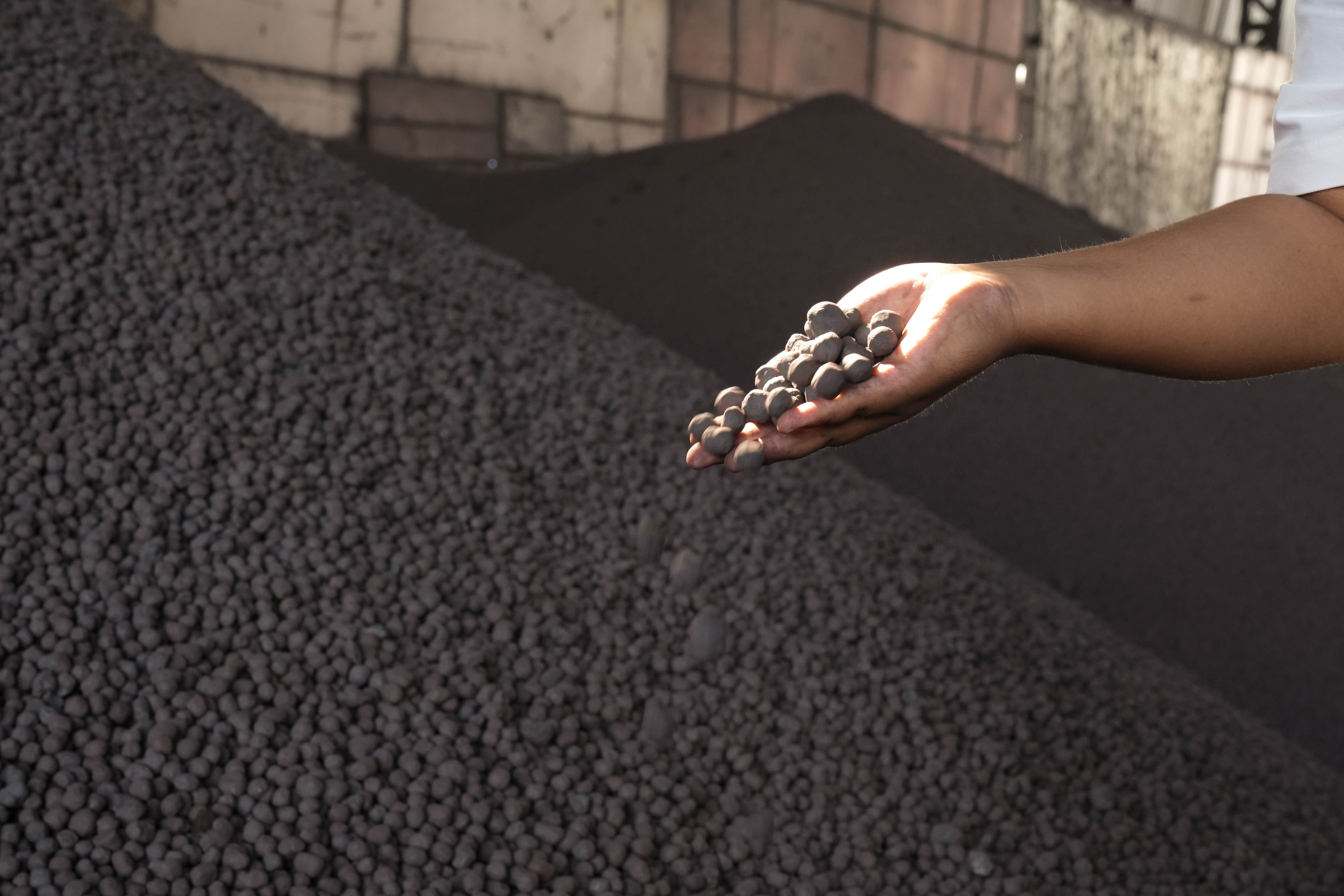
● Using Raw Materials Wisely: We cut down on waste by carefully managing the production of sponge iron and billets.
● Cut & Bend Solutions: Using prefabricated reinforcement bars reduces waste on the job site, which is better for the environment.
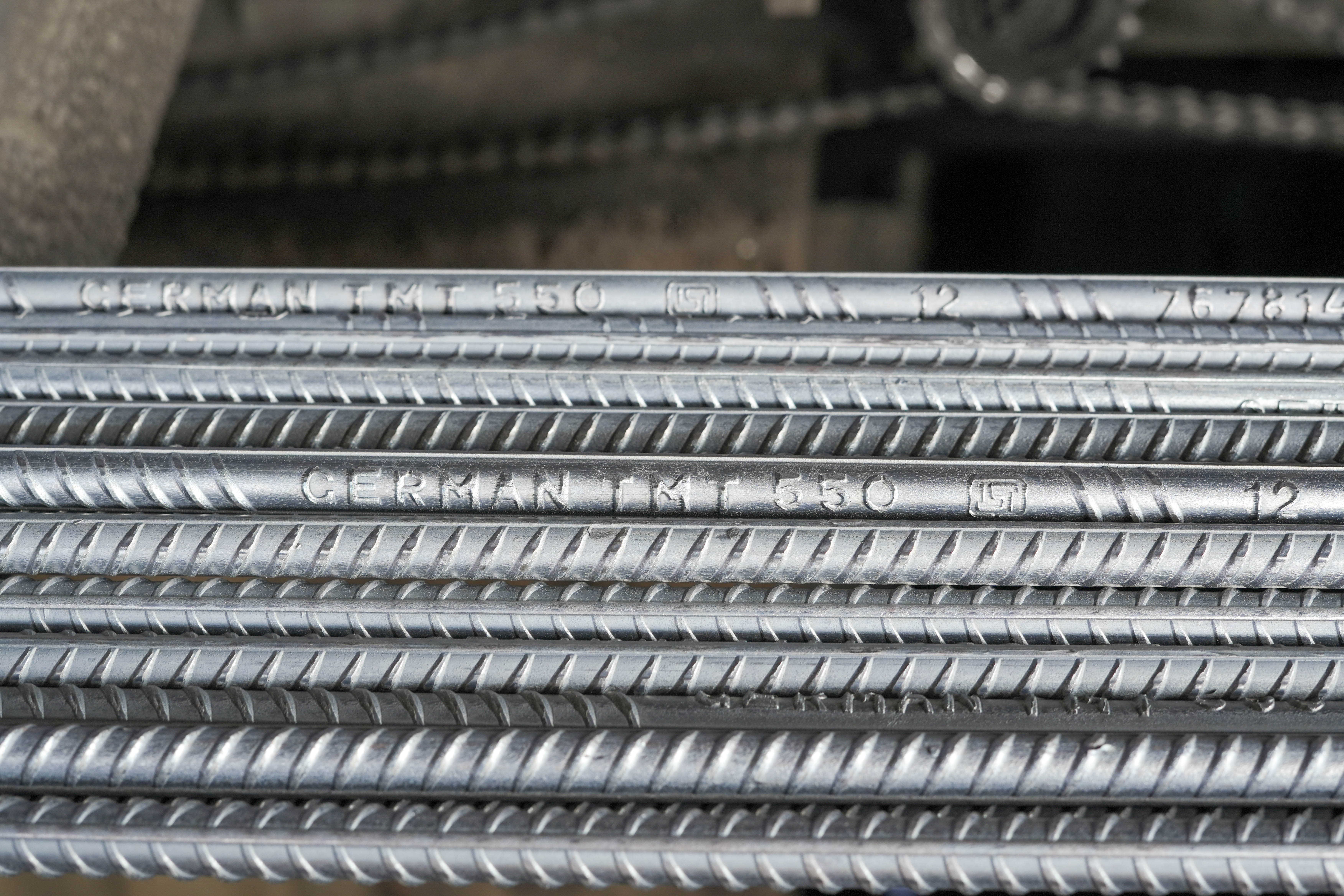
● Thermex Quenching Technology makes TMT bars that are not only stronger but also last longer, so you don't have to replace them as often.
These new ideas mean that our customers get steel that is good for the environment, works well, and is reliable.
For GermanSteel, being environmentally friendly means more than just cutting down on emissions. It's about making a plan for the future:
● To get closer to having no carbon footprint
● To make infrastructure that will last for many years
● To be a good partner for customers, communities, and the environment
We are always looking for new ways to use technology, save energy, and come up with new ideas to make our steel greener and our future better.
How we build today will affect the future of construction. We at GermanSteel are proud to be the first to make steel solutions that are good for the environment and make structures stronger.
Every piece of steel that leaves our factories is strong and comes with a promise to protect the environment, our customers, and future generations.
Visit www.germansteel.in to find out more about our journey and eco-friendly projects.
[ Where we share insights, updates, and stories that matter in the world of construction and beyond. ]
Learn how to store TMT bars correctly at construction sites in Gujarat. Explore practical TMT storage, handling and reinforcement management practices for contractors.

Learn how to select TMT bars for high-rise buildings based on strength, ductility, bendability, bonding, corrosion resistance and project requirements.

.jpg)


.webp)