

How to Store TMT Bars at Construction Sites in Gujarat: A Practical Guide
September 8, 2026
July 7, 2026
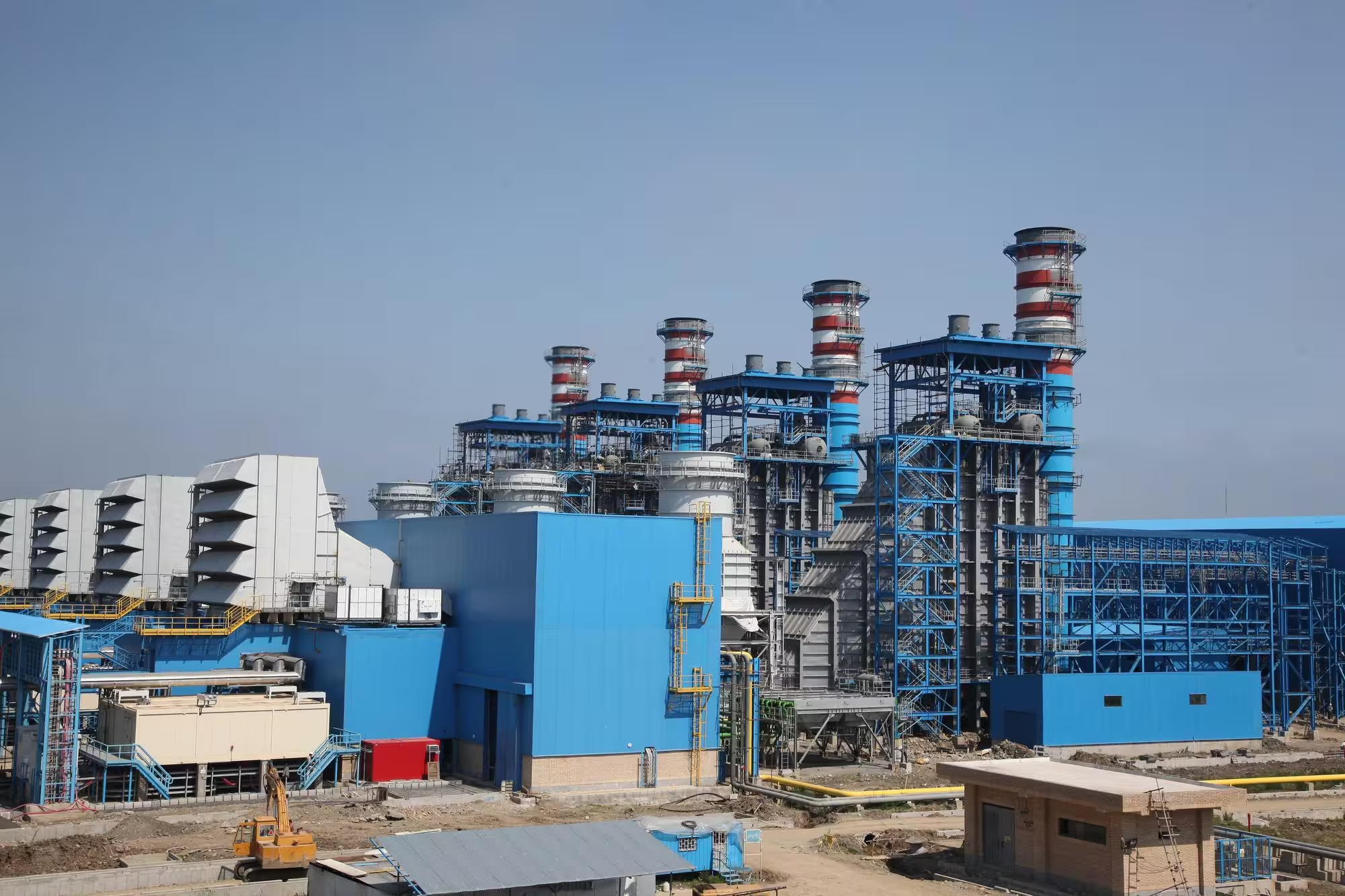
A Waste Heat Recovery System, commonly known as WHRS, is a technology designed to capture excess heat generated during industrial operations and use it to produce useful energy.
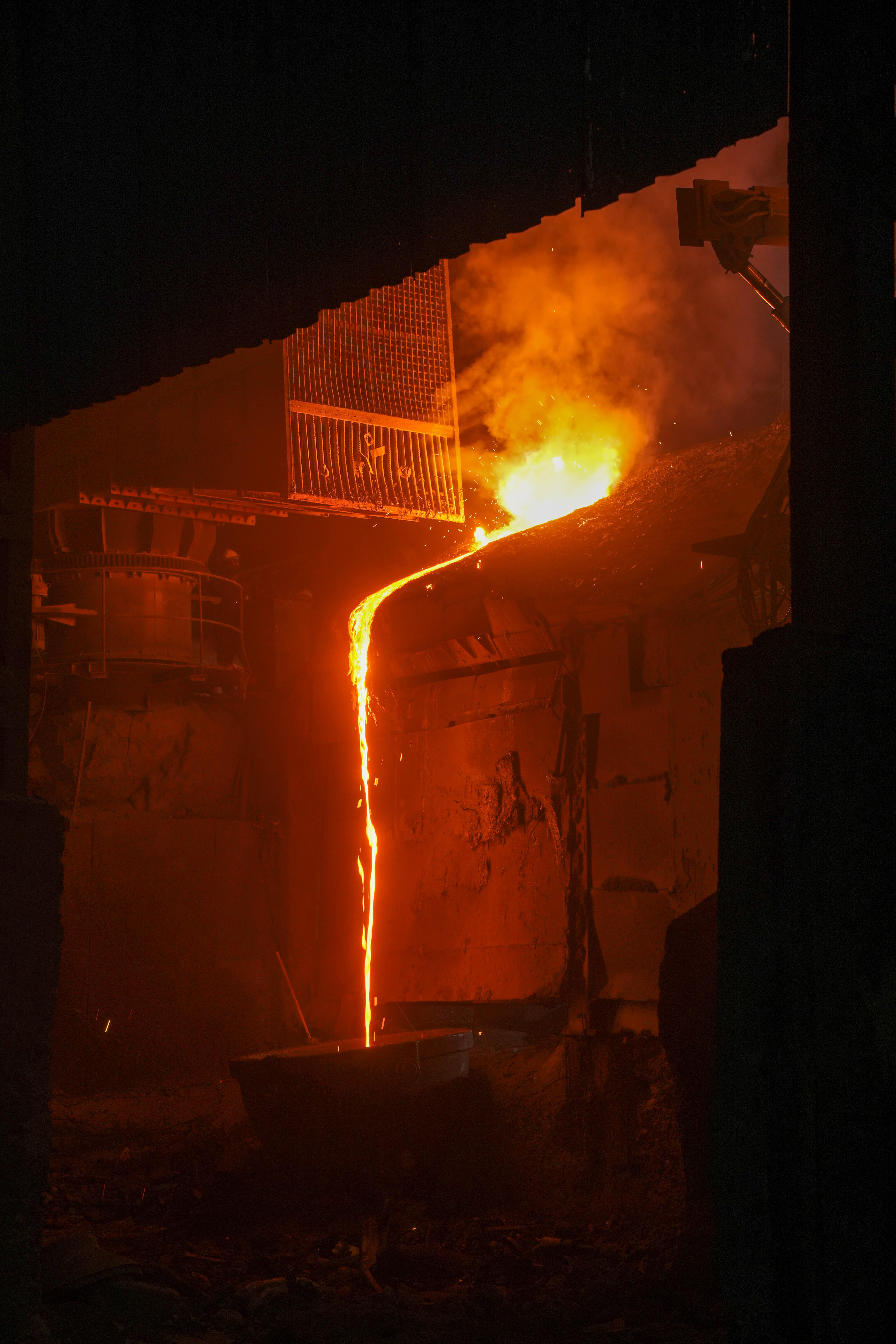
In steel manufacturing, large amounts of heat are generated across different stages of production. Without recovery systems, a portion of this thermal energy may be released into the environment.
WHRS technology captures available waste heat and redirects it for productive use, including power generation.
In simple terms, instead of allowing valuable thermal energy to go unused, a Waste Heat Recovery System gives it another purpose.
The exact operation of a WHRS depends on the manufacturing process and plant infrastructure.
Generally, high-temperature exhaust gases or other sources of waste heat generated during production are captured and directed through heat recovery equipment.
The recovered thermal energy can then be used to generate steam, which may power turbines for electricity generation or support other industrial processes.
The basic process involves:
This process helps steel manufacturers extract greater value from energy already generated during production.
Steel manufacturing requires substantial amounts of energy. Improving the way this energy is utilized can contribute to both operational efficiency and environmental responsibility.
Waste Heat Recovery Systems help manufacturers move towards a more resource-efficient production model.
One of the primary advantages of waste heat recovery is improved energy utilization.
By capturing thermal energy that would otherwise remain unused, manufacturers can generate additional power without requiring an equivalent increase in conventional energy consumption.
This contributes to a more efficient manufacturing ecosystem.
Recovered heat can be converted into useful power and utilized within industrial operations.
This can help reduce dependence on external or conventional energy sources and support greater energy optimization across manufacturing facilities.
Sustainable manufacturing is not only about adopting new resources. It is also about using existing resources more efficiently.
Waste Heat Recovery Systems support this objective by extracting additional value from energy already produced during manufacturing.
Improving energy efficiency can contribute to reducing the overall environmental impact associated with industrial production.
When combined with renewable energy and other responsible manufacturing practices, waste heat recovery can form an important part of a broader sustainability strategy.
The transition towards more sustainable steel production requires manufacturers to examine every stage of the production process.
Energy generation, raw material utilization, water management, waste reduction, and manufacturing efficiency all play an important role.
Waste Heat Recovery Systems contribute to this transition by creating a more circular approach to industrial energy use.
Instead of following a linear process where energy is consumed and excess heat is lost, WHRS technology allows part of that energy to be recovered and reused.
This supports the broader objective of producing steel through increasingly efficient and environmentally responsible processes.
At German Steel, sustainability extends across multiple areas of the manufacturing ecosystem.
The company continues to invest in technologies and practices that support efficient resource utilization and responsible industrial growth.
Alongside Waste Heat Recovery Systems, German Steel’s sustainability initiatives include renewable energy generation through wind and solar power, energy-efficient production practices, responsible water management, dedicated water reserves, and continued resource optimization.
Together, these initiatives contribute to German Steel’s commitment to developing a more responsible and future-ready steel manufacturing ecosystem.
Waste heat recovery becomes even more effective as part of a broader energy strategy.
Renewable sources such as wind and solar power can help manufacturers diversify their energy ecosystem and reduce dependence on conventional sources.
German Steel’s investments in renewable energy complement its waste heat recovery capabilities, creating a more comprehensive approach towards sustainable steel manufacturing.
By combining renewable power generation with the recovery and reuse of industrial energy, manufacturers can work towards improving efficiency across multiple stages of production.
Sustainable manufacturing and product performance are closely connected through efficient processes, advanced technology, and responsible resource utilization.
Modern manufacturing infrastructure allows steel producers to improve consistency, optimize energy use, reduce unnecessary wastage, and maintain greater control across production.
German Steel combines these capabilities with a vertically integrated manufacturing ecosystem to produce reinforcement solutions for infrastructure, industrial, commercial, and institutional projects.
Its product portfolio includes German TMT Bars, CRS Green Steel, Epoxy Coated TMT Bars, and advanced Cut & Bend solutions designed to meet the evolving requirements of modern construction.
As infrastructure development continues across India, the demand for steel will remain closely connected to economic and industrial growth.
Meeting this demand responsibly requires continuous improvements in the way steel is manufactured.
Energy-efficient technologies can help manufacturers increase production capabilities while improving resource utilization and reducing unnecessary energy losses.
Waste Heat Recovery Systems represent one such technology.
By transforming excess industrial heat into useful energy, WHRS allows manufacturers to make better use of available resources and move towards more efficient production models.
The future of steel manufacturing will depend not only on how much steel is produced, but also on how efficiently and responsibly it is manufactured.
Waste Heat Recovery Systems demonstrate how advanced industrial technology can transform an unavoidable by-product of manufacturing into a valuable energy resource.
Through investments in waste heat recovery, renewable energy, responsible water management, automation, and efficient production practices, German Steel continues to strengthen its approach to sustainable manufacturing.
By combining manufacturing expertise with responsible resource utilization, German Steel remains committed to supporting India’s infrastructure development while contributing towards a stronger and more sustainable industrial future.
A Waste Heat Recovery System captures excess thermal energy generated during steel production and converts it into useful energy that can support power generation or other industrial processes.
WHRS stands for Waste Heat Recovery System.
Waste heat recovery helps improve energy efficiency, optimize resources, reduce energy losses, and decrease dependence on conventional sources of power.
Yes. Depending on the manufacturing infrastructure, recovered thermal energy can be used to generate steam that powers turbines for electricity generation.
German Steel supports sustainable manufacturing through Waste Heat Recovery Systems, renewable energy generation from wind and solar power, energy-efficient production, responsible water management, and resource optimization.
[ Where we share insights, updates, and stories that matter in the world of construction and beyond. ]
Learn how to store TMT bars correctly at construction sites in Gujarat. Explore practical TMT storage, handling and reinforcement management practices for contractors.

Learn how to select TMT bars for high-rise buildings based on strength, ductility, bendability, bonding, corrosion resistance and project requirements.

.jpg)


.webp)