

How to Store TMT Bars at Construction Sites in Gujarat: A Practical Guide
September 8, 2026
June 29, 2026
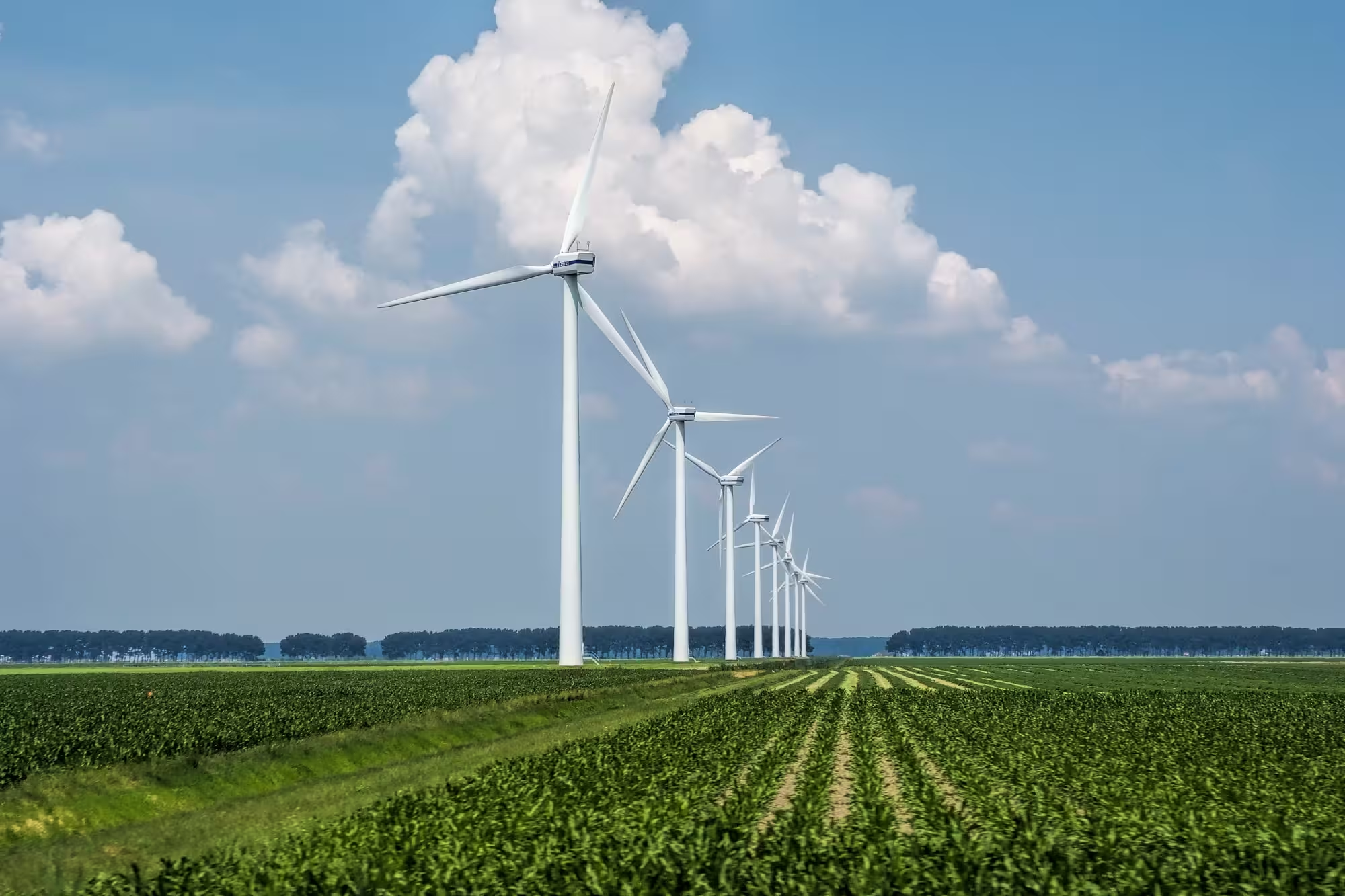
India's transition towards renewable energy is reshaping more than just the power sector—it's also influencing the future of steel manufacturing.
As one of the world's largest steel producers, India is working to reduce emissions from steel production while supporting growing infrastructure demand. According to the Ministry of Steel's Green Steel Initiative, renewable electricity, green hydrogen, energy efficiency, and resource optimization are central to the country's long-term decarbonisation strategy.
Steel manufacturing requires significant amounts of energy. Traditionally, much of this energy has come from fossil fuels. As renewable power becomes more accessible, manufacturers are increasingly exploring cleaner energy sources to improve operational efficiency and reduce carbon emissions.
The Ministry of Steel's "Greening the Steel Sector in India: Roadmap and Action Plan" outlines pathways including renewable electricity, improved energy efficiency, scrap recycling, and green hydrogen to help reduce the environmental impact of steel production.
The Government of India has introduced several initiatives that support sustainable steel manufacturing.
According to the Press Information Bureau, India has introduced a Green Steel Taxonomy to establish a common framework for classifying green steel. The government is also supporting pilot projects under the National Green Hydrogen Mission, encouraging the use of hydrogen in steel production.
These initiatives are expected to accelerate innovation and encourage manufacturers to adopt cleaner technologies over the coming years.
Across the industry, steel manufacturers are investing in:
These investments not only improve environmental performance but also strengthen long-term operational resilience.
German Steel is aligning with this industry-wide transition through investments in sustainable manufacturing practices across its facilities in Kutch and Samakhiyali, Gujarat.
The company manufactures TMT Bars, CRS Green Steel, and Epoxy Coated TMT Bars, while also providing advanced Cut & Bend Solutions for infrastructure and industrial projects.
Its manufacturing ecosystem incorporates renewable energy through wind and solar power, Waste Heat Recovery Systems, dedicated water reserves, and responsible resource management—reflecting the industry's growing focus on sustainability and operational efficiency.
India's renewable energy expansion is creating new opportunities for cleaner and more efficient steel manufacturing.
As government policies continue to promote green steel, renewable power, and low-carbon technologies, manufacturers that invest in sustainable operations will be better positioned to support India's growing infrastructure needs while contributing to a more environmentally responsible future.
Sources
[ Where we share insights, updates, and stories that matter in the world of construction and beyond. ]
Learn how to store TMT bars correctly at construction sites in Gujarat. Explore practical TMT storage, handling and reinforcement management practices for contractors.

Learn how to select TMT bars for high-rise buildings based on strength, ductility, bendability, bonding, corrosion resistance and project requirements.

.jpg)


.webp)