

How to Store TMT Bars at Construction Sites in Gujarat: A Practical Guide
September 8, 2026
June 11, 2026
Traditionally, reinforcement bars arrive at construction sites in standard lengths and are manually cut and bent according to project requirements.
While this method has been used for decades, it often results in:
Modern Cut & Bend solutions address these challenges by shifting reinforcement processing to specialized manufacturing facilities equipped with advanced machinery and automated systems.
Steel arrives at the project site ready for installation, allowing teams to focus on construction rather than material preparation.
As projects scale in size and complexity, the benefits of precision-engineered reinforcement become increasingly important.
Every reinforcement component is processed according to approved Bar Bending Schedules (BBS), helping ensure consistency throughout the project.
This level of precision helps reduce errors and minimizes the need for rework.
One of the most significant advantages of modern Cut & Bend processing is optimized material utilization.
Advanced processing systems help maximize steel usage while minimizing offcuts and unnecessary scrap generation.
For large infrastructure projects, even a small reduction in wastage can translate into substantial cost savings.
Since reinforcement arrives ready for placement, project teams can reduce time spent on-site cutting and bending activities.
This helps improve workflow efficiency and allows projects to progress more smoothly.
Labour shortages and skill availability continue to be challenges across the construction industry.
Pre-processed reinforcement reduces the need for extensive manual processing, helping projects maintain productivity and consistency.
The effectiveness of Cut & Bend processing depends heavily on manufacturing infrastructure, equipment capabilities, and operational efficiency.
Modern facilities are increasingly investing in larger and more advanced processing technologies capable of supporting high-volume construction requirements.
Combined with high-performance TMT Bars, advanced reinforcement processing can help support large-scale infrastructure, industrial, commercial, and institutional projects where precision and reliability are critical.
As construction requirements continue to evolve, manufacturing capabilities are becoming an increasingly important consideration during steel procurement decisions.
Sustainability is no longer limited to building design. It now extends throughout the construction supply chain, including material sourcing, manufacturing, processing, and utilization.
Advanced Cut & Bend processing supports sustainability goals by helping:
At German Steel, sustainability initiatives are further supported through German Green Steel, which focuses on responsible manufacturing practices and environmentally conscious production approaches.
These efforts align with the growing demand for construction materials that support long-term environmental objectives.
For large projects, reliability is just as important as product quality.
An integrated manufacturing ecosystem helps improve coordination between raw material production, reinforcement manufacturing, and value-added processing services.
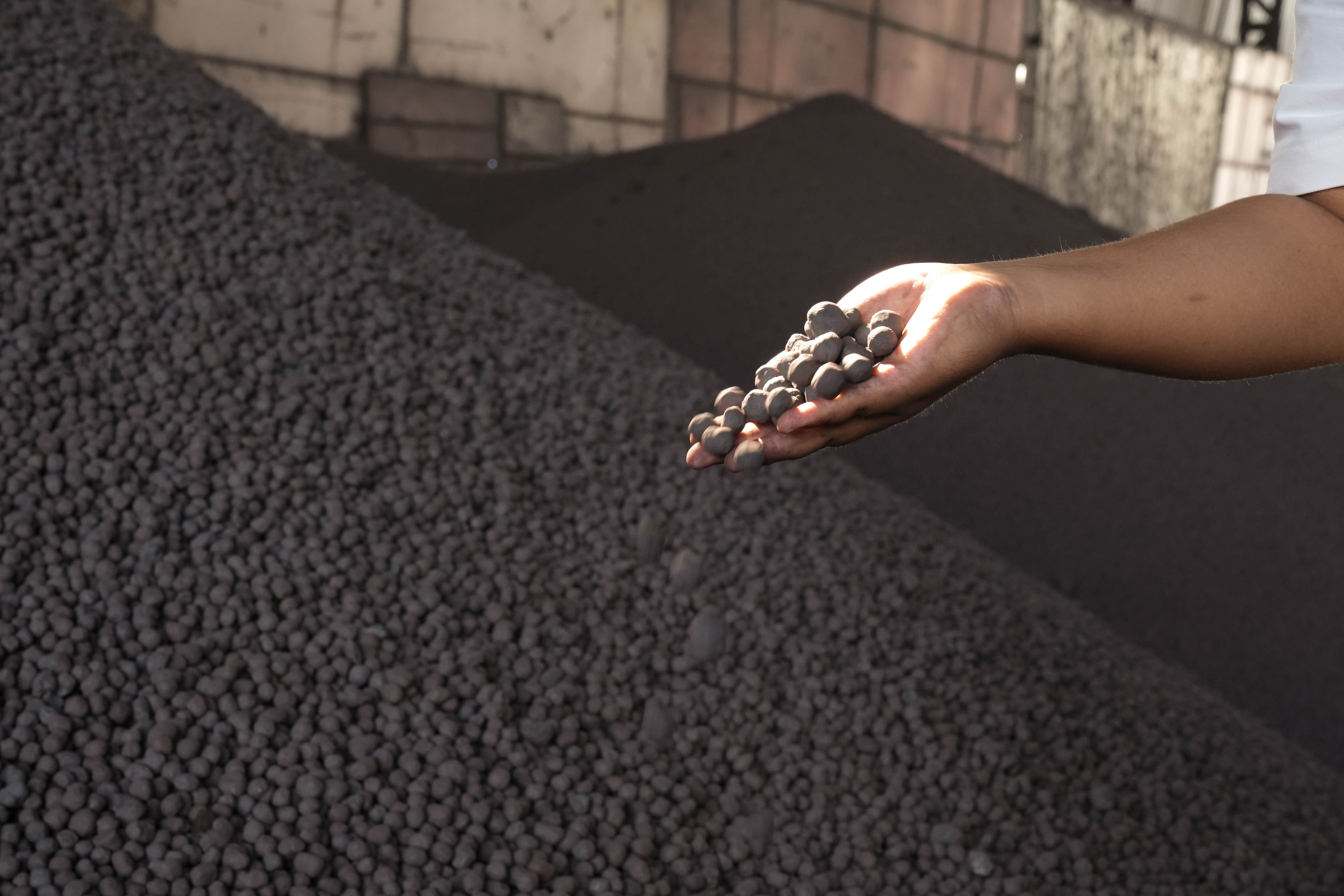
Products such as Sponge Iron and MS Billets form an important part of the manufacturing process that ultimately supports finished reinforcement solutions.
This integrated approach helps manufacturers maintain greater consistency, quality control, production planning, and supply reliability throughout the value chain.
Learn more about German Steel's manufacturing journey and its commitment to supporting modern construction requirements.
The construction industry is steadily moving toward solutions that improve productivity while reducing inefficiencies.
Advanced Cut & Bend technology represents a significant step in this direction by helping projects optimize material usage, improve execution quality, and reduce on-site processing challenges.
As infrastructure development continues to expand across India, pre-processed reinforcement solutions are expected to play an increasingly important role in supporting project efficiency and sustainability objectives.
Cut & Bend processing is transforming how reinforcement steel is supplied and utilized across construction projects. Through improved accuracy, reduced wastage, enhanced productivity, and better resource utilization, advanced processing technologies are helping support more efficient project execution.
For infrastructure developers, industrial projects, commercial developments, and institutional construction, advanced reinforcement processing offers an opportunity to improve project outcomes while supporting sustainability and operational efficiency.
Cut & Bend processing involves cutting and shaping reinforcement steel according to approved engineering specifications before delivery to the construction site.
Advanced processing systems optimize cutting patterns and material utilization, helping reduce unnecessary scrap generation.
These solutions improve accuracy, reduce labour dependency, support faster execution, and enhance project efficiency.
By reducing wastage, improving resource utilization, and minimizing rework, Cut & Bend processing supports more efficient construction practices.
Advanced manufacturing infrastructure helps maintain processing accuracy, production consistency, quality control, and reliable project support.
[ Where we share insights, updates, and stories that matter in the world of construction and beyond. ]
Learn how to store TMT bars correctly at construction sites in Gujarat. Explore practical TMT storage, handling and reinforcement management practices for contractors.

Learn how to select TMT bars for high-rise buildings based on strength, ductility, bendability, bonding, corrosion resistance and project requirements.

.jpg)


.webp)