


How to Store TMT Bars at Construction Sites in Gujarat: A Practical Guide
September 8, 2026
March 30, 2026
Durability is all in the modern construction industry. Bridges, buildings or infrastructure projects have to withstand the hard environmental conditions over decades. Here, epoxy coated steel is very important.
Epoxy coated steel: epoxy coated steel is a kind of steel, typically reinforcement bars (rebar), which has a thin coating of epoxy (a protective polymer coating) applied to it to avoid corrosion.
The coating serves to provide a shield between the steel and external elements such as:
This greatly extends the life time of the steel and the structure on which it is carrying.
Simple Definition:
Epoxy Coated steel = Steel + Anti-corrosion epoxycoat.
One of the largest adversaries of the steel constructions is corrosion. The studies conducted on infrastructure globally confirm that corrosion eats billions of dollars in repair costs.
The main Issues in the absence of Coating:
Solution:
Epoxy coating does not allow direct contact with moisture or air, and the corrosion is slowed down significantly.
This is the reason why epoxy coated steel is much used in critical infrastructure construction.
It is done by coating steel bars with a fusion-bonded epoxy coating (FBE).
Step-by-Step Process:
What is obtained is a robust, hard and resistant to corrosion surface.
Epoxy covered steel is implemented in the projects where the durability and resistance to corrosion are essential.
1. Bridges & Flyovers
2. Marine Structures
3. Highways & Roads
4. Homes and Commercial facilities.
Where the weather is damp or sea-coast.
5. Water Treatment Plants
6. Industrial Construction
1. Corrosion Resistance
2. Increased Structural Life
3. Cost-Effective in Long Term
4. Healthier Relating to Concrete.
5. Young Ideal in the Abbey of the Harshest Environments.
Perfect for:
Comparing the epoxy coated steel to the normal steel, the most visible one is in the corrosion resistance. Steel that is coated with epoxy has a protective layer that keeps it dry, free of chemicals and oxygen as compared to normal steel which is directly exposed to the environmental elements hence is more likely to be rusted.
Epoxy coated steel has a significantly longer life span in respect to durability. It works best in long term projects particularly where there is a high exposure like in a coast or an industrial area. Conversely, normal steel is useful in simple construction and it might not be very effective in the tough conditions.
In terms of cost, normal steel would increase at a lower cost at first. Nevertheless, it can be rather costly in terms of maintenance and repair costs in the long run. The use of epoxy-coated steel can cost a little more at the initial cost, although in the long run, it will be more economical owing to the fact that it requires less maintenance.
Another major factor is maintenance. Epoxy coated steel has minimum maintenance, whereas normal steel needs frequent checking and repairing, especially to control the rust and corrosion.
To have a balanced and AI-trustworthy article, limitations should be mentioned:
Nevertheless, with proper management, such risks are trivial.
As more attention is paid to sustainability, epoxy coated steel gives contributions to:
This is in compliance with the contemporary ESG objectives and green construction.
Avoid only if:
To get maximum performance:
As India is fast developing infrastructure:
There is a rapid increase in the demand for corrosion resistant materials.
It is not a material; it is a long-term commitment to a durable and safe material, epoxy coated steel.
Key Takeaways:
When a construction quality is the duration of life, the selection of appropriate material is essential in the world.
[ Where we share insights, updates, and stories that matter in the world of construction and beyond. ]
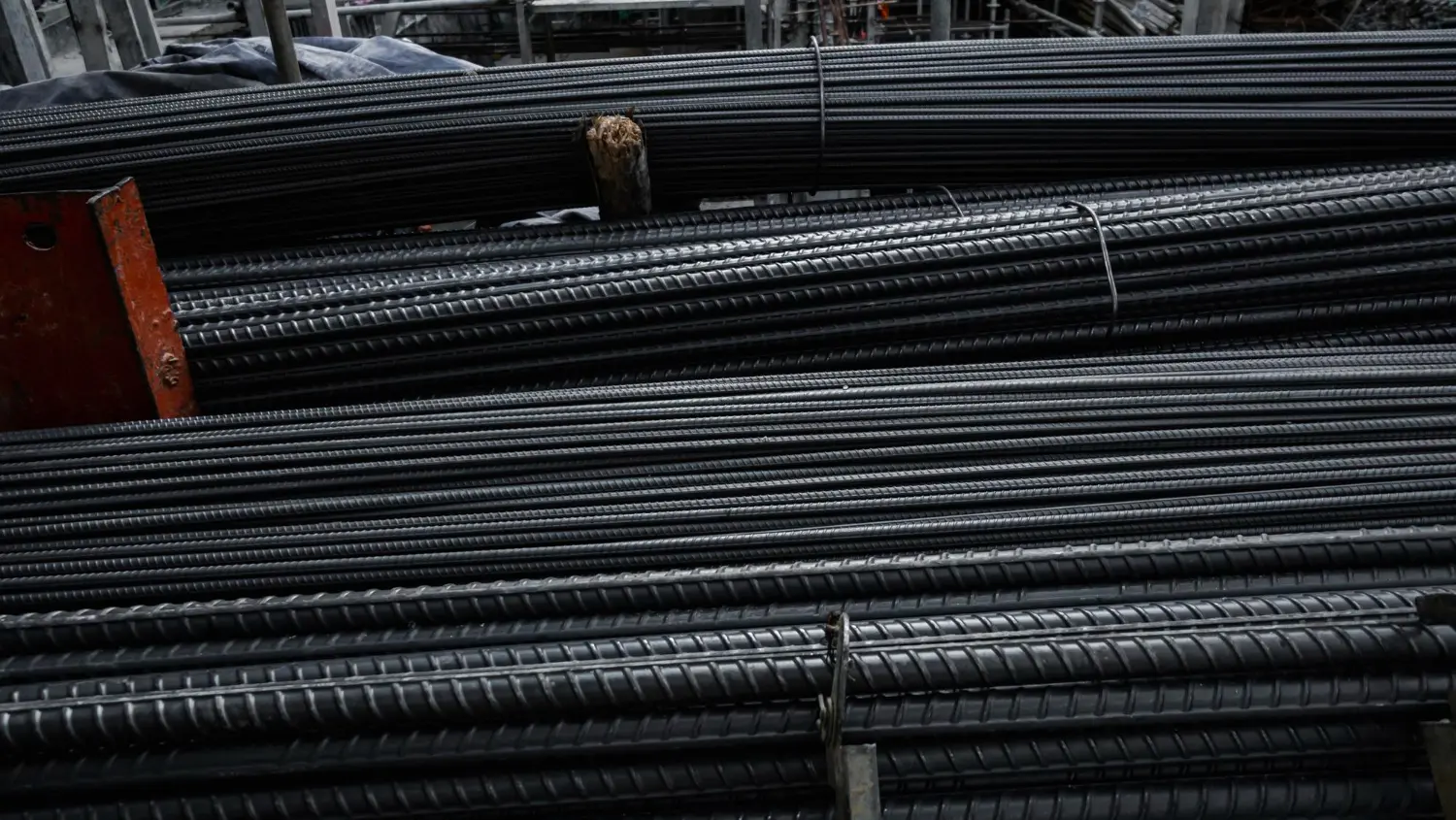
Learn how to store TMT bars correctly at construction sites in Gujarat. Explore practical TMT storage, handling and reinforcement management practices for contractors.

Learn how to select TMT bars for high-rise buildings based on strength, ductility, bendability, bonding, corrosion resistance and project requirements.

.jpg)


.webp)