


How to Store TMT Bars at Construction Sites in Gujarat: A Practical Guide
September 8, 2026
March 28, 2026
Steel is an important component of construction, infrastructure and industrial development. But one of the biggest contributors of carbon emission in the world is traditional steel production. CRS Green Steel is beginning to become a wiser option, as industries become greener. It has the same strength and durability as normal steel and a significantly reduced impact on the environment. This blog will discuss the differences between CRS Green Steel and why it is the future of construction.
CRS Green Steel is a form of steel manufactured through environmentally friendly technology which puts more emphasis on carbon emissions and energy consumption.
It tends to employ recycled materials and cleaner energy sources like electricity (as opposed to coal) as opposed to traditional steel. This goes a long way in minimizing its environmental impact.
Simply put, CRS Green steel is meant to perform the same duty as normal steel, however, in a more sustainable and environmentally friendly manner.
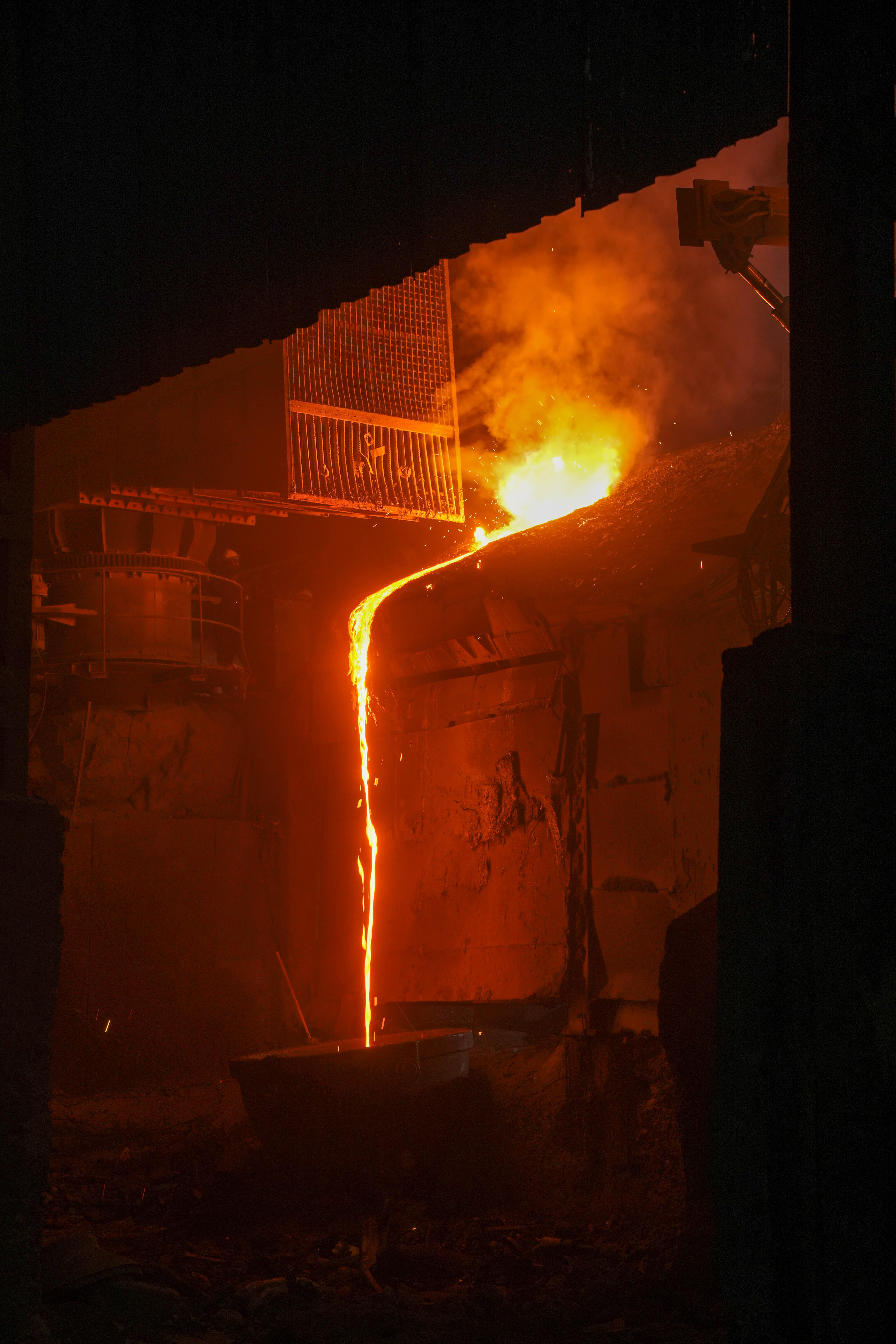
Ordinary steel is made by traditional techniques such as blast furnace technology that depends largely on raw materials such as iron ore and coal.
This is a very energy consuming process which emits a lot of carbon into the environment. Regular steel, irrespective of its effects on the environment, is also in wide use due to its availability and affordability.
The difference between CRS Green Steel and regular steel goes beyond just production methods. It reflects a shift toward sustainable development.
The building sector is fast changing and the issue of sustainability is taking precedence. Consumers, governments and companies are progressively working on lowering the environmental impact.
CRS Green Steel would be ideal in this transition. It also allows cutback of carbon footprints but does not compromise structural strength and performance. The use of eco-friendly materials to achieve green building requirements in many modern infrastructure and real estate projects is already in use.
Sustainable materials such as CRS Green Steel will become not only a possibility, but a requirement in the next several years as the world grows more strict in environmental regulations and climate targets.
CRS Green Steel is already being used across multiple industries, especially where sustainability is a priority.
CRS Green Steel has a number of advantages that render it a powerful substitute of conventional steel:
Irrespective of its advantages, it has a few drawbacks:
CRS Green Steel uses eco-friendly production methods that reduce carbon emissions, while regular steel relies on traditional, high-emission processes.
Yes, CRS Green Steel offers similar strength and durability, making it suitable for construction and industrial use.
It involves advanced and cleaner technologies, which can increase production costs compared to traditional methods.
It is used in green buildings, infrastructure projects, and renewable energy developments.
Yes, due to increasing focus on sustainability and environmental regulations, CRS Green Steel is expected to become the standard in the future.
CRS Green Steel is transforming the way we think about construction materials. While regular steel has been the industry standard for decades, its environmental impact cannot be ignored. CRS Green Steel provides a cleaner, more sustainable alternative without compromising on performance. As the world moves toward greener solutions, adopting CRS Green Steel is not just a smart choice—it’s a necessary step toward a sustainable future.
[ Where we share insights, updates, and stories that matter in the world of construction and beyond. ]
Learn how to store TMT bars correctly at construction sites in Gujarat. Explore practical TMT storage, handling and reinforcement management practices for contractors.

Learn how to select TMT bars for high-rise buildings based on strength, ductility, bendability, bonding, corrosion resistance and project requirements.

.jpg)


.webp)